
East Africa safari experiences
Different ways to go further.
A safari is not one thing. The same two countries can give you a week of predator viewing, a river crossing, a mountain summit or a week doing very little on the coast — and the choice changes where you go, when you travel and how long you need.
Below are the experiences Kenya and Tanzania genuinely do well, what each one asks of you, and which of our 57 journeys fit.
The foundation
Classic wildlife safaris
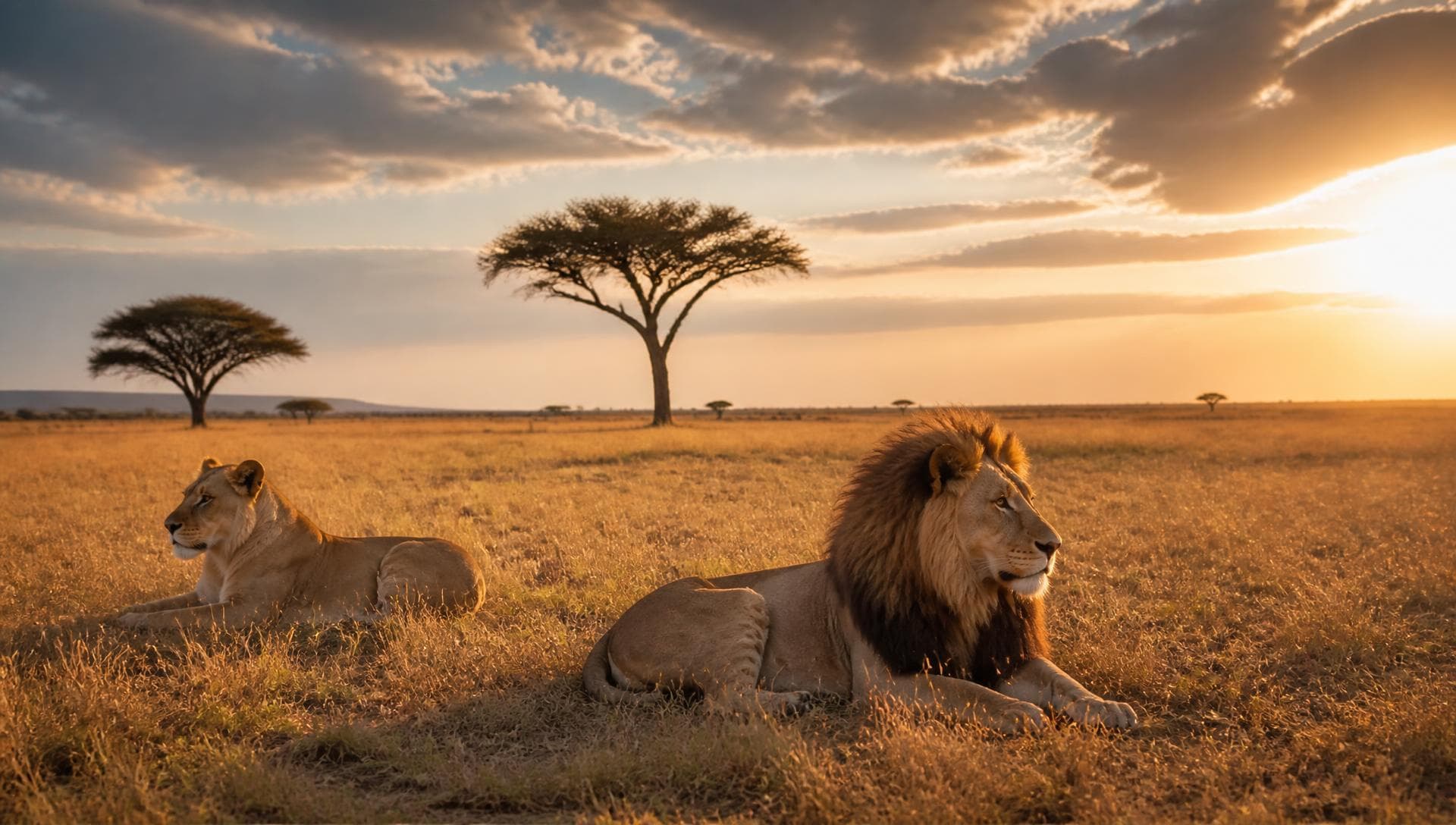
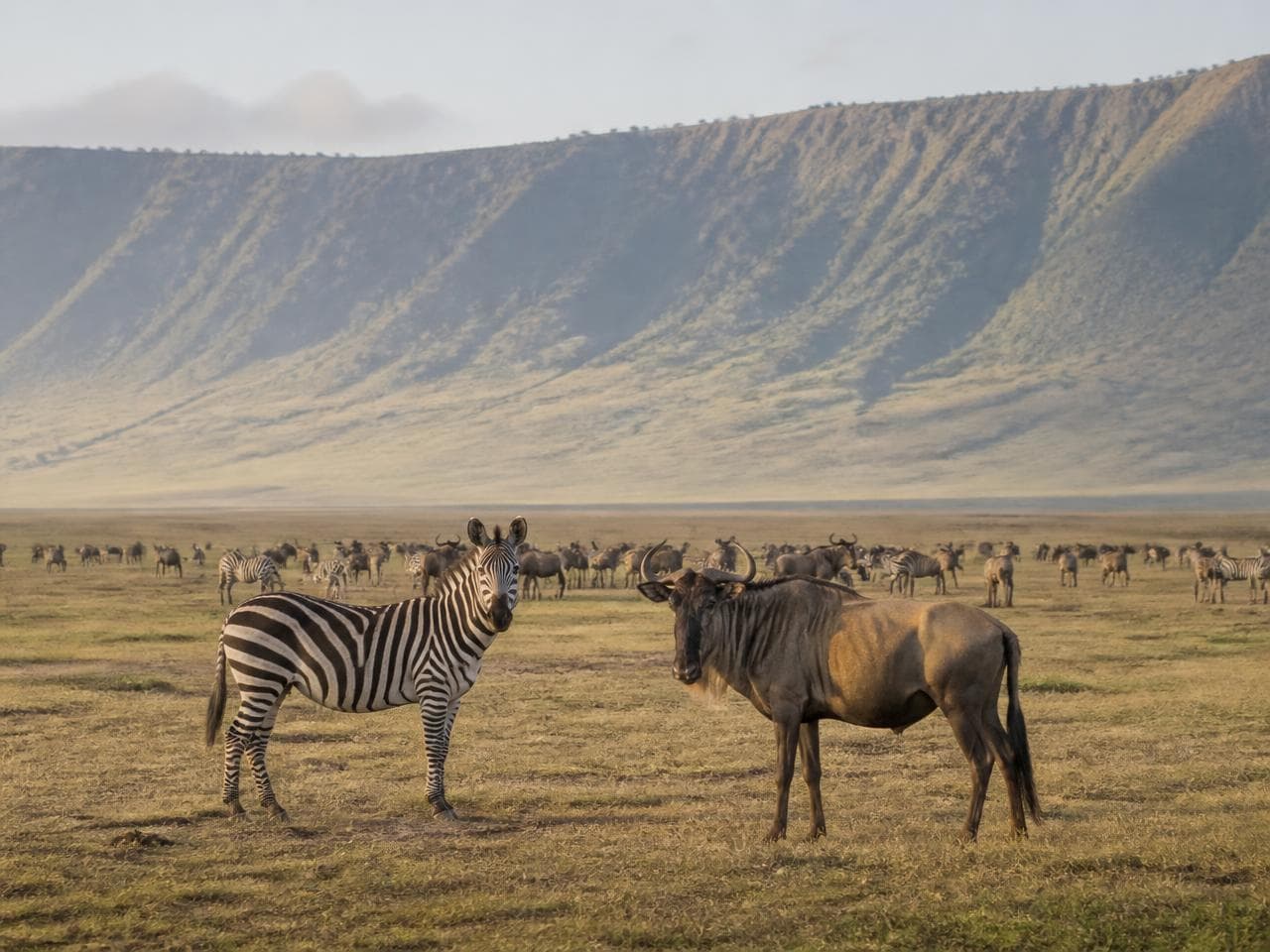
Most first trips are built around the great grassland parks: the Maasai Mara in south-west Kenya, and the Serengeti and Ngorongoro Crater across the border in northern Tanzania. They are the reason East Africa is the reference point for safari — open country where animals are visible at distance, a high density of both grazers and predators, and a road network that lets a guide follow a sighting rather than guess at it.
A working rule: give each major park at least two nights. One night means a late afternoon arrival and a morning departure, which is one proper game drive. Two nights gives you a full day inside the park without a transfer eating into it. Our budget journeys typically camp or use eco camps close to the gates; mid-range trips use lodges and tented camps with more comfort between drives.
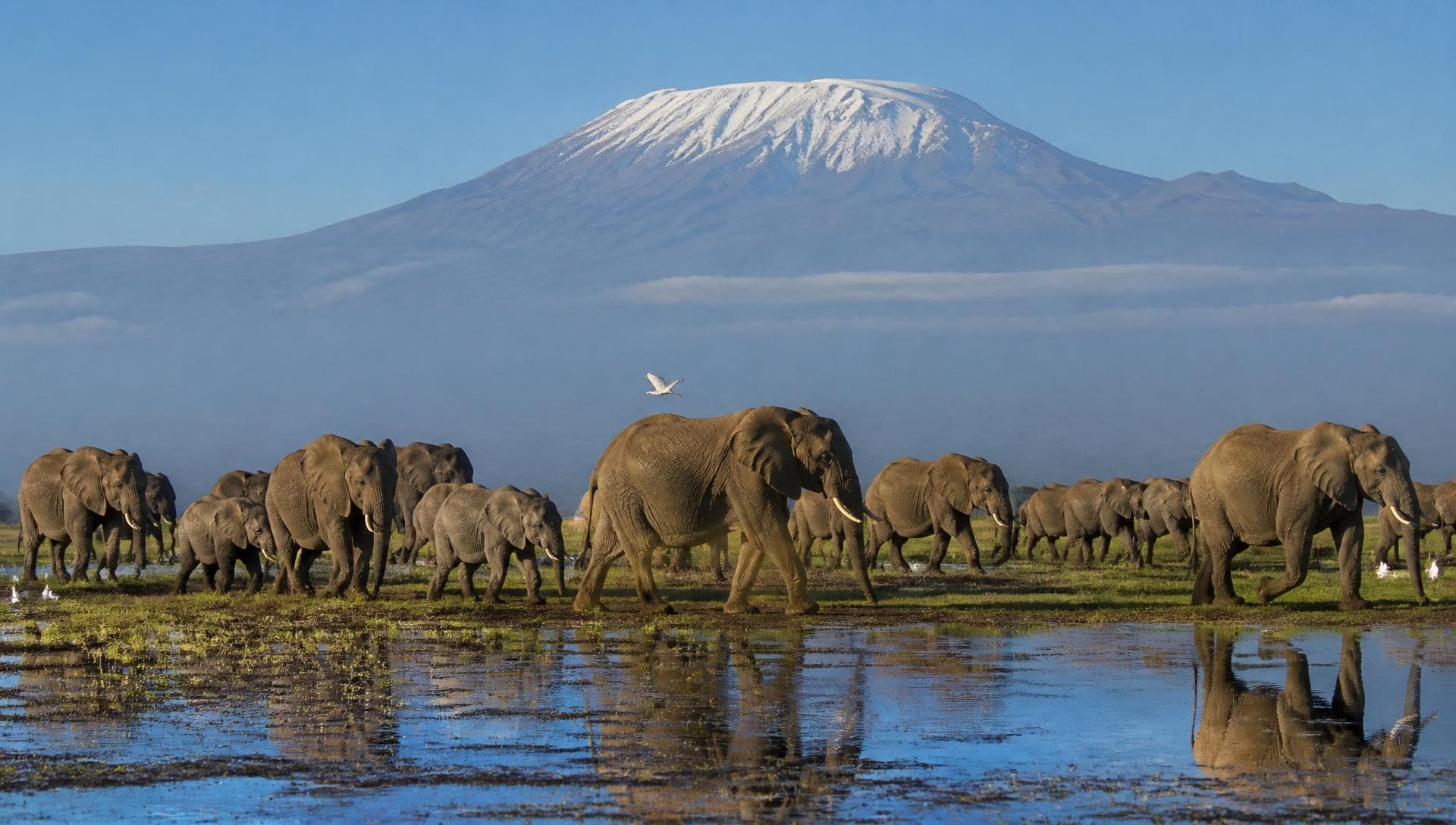
Beyond the headline parks, Kenya adds Amboseli for elephants beneath Kilimanjaro, Lake Nakuru for rhino and flamingo, and the Aberdares and Mount Kenya foothills for forest species you will not see on the plains. Tanzania adds Tarangire for baobabs and dry-season elephant herds, and Lake Manyara for its groundwater forest.
Predators
Big cats and predator viewing
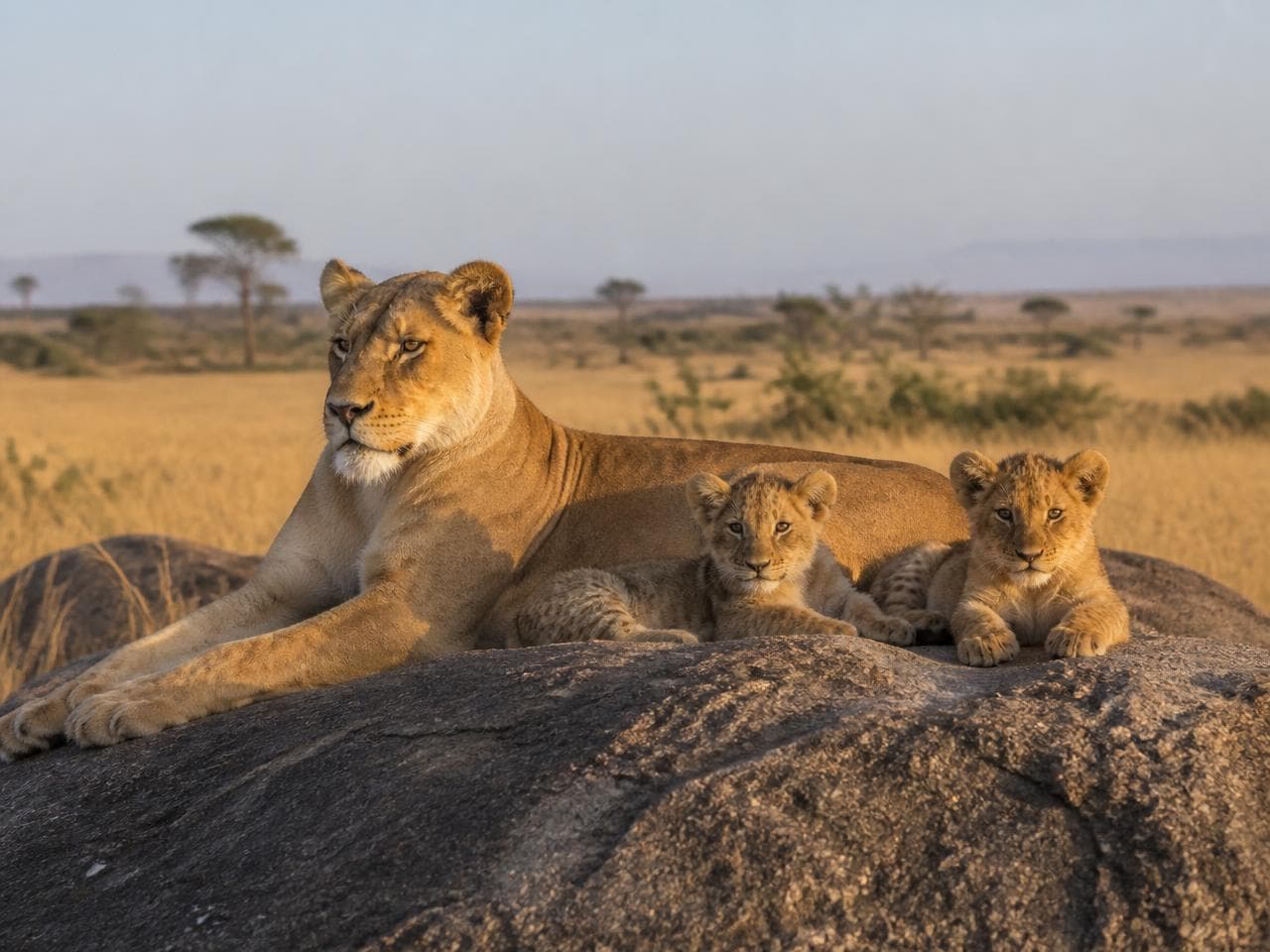
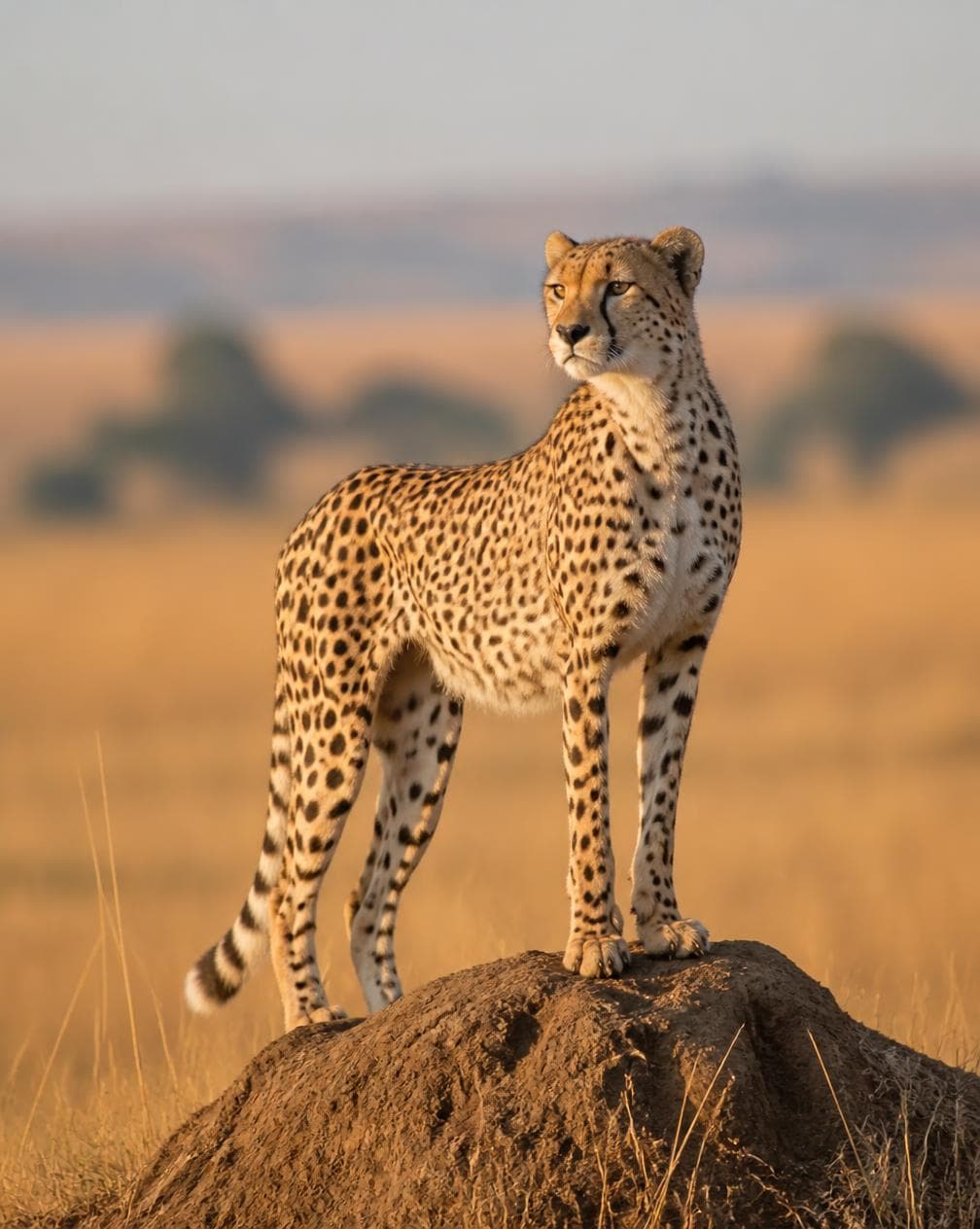
Lion, leopard and cheetah are the three most-requested sightings, and they behave differently enough that finding them is a different job in each case. Lion are social and relatively sedentary, so a pride located in the morning is often findable again that evening. Cheetah favour open short-grass country and termite mounds for a vantage point, which makes the southern Serengeti and the Mara conservancies productive. Leopard are solitary and largely nocturnal, and are most often found resting in riverine trees — the Seronera valley in the central Serengeti has a deserved reputation for them.
The practical lesson is that predator viewing rewards early starts and patience rather than distance covered. A guide who waits at a sighting will usually show you more than one who keeps moving. If predators are your priority, choose full days inside a park over itineraries that spend the middle of each day in transit.
The great herds
Great Migration experiences
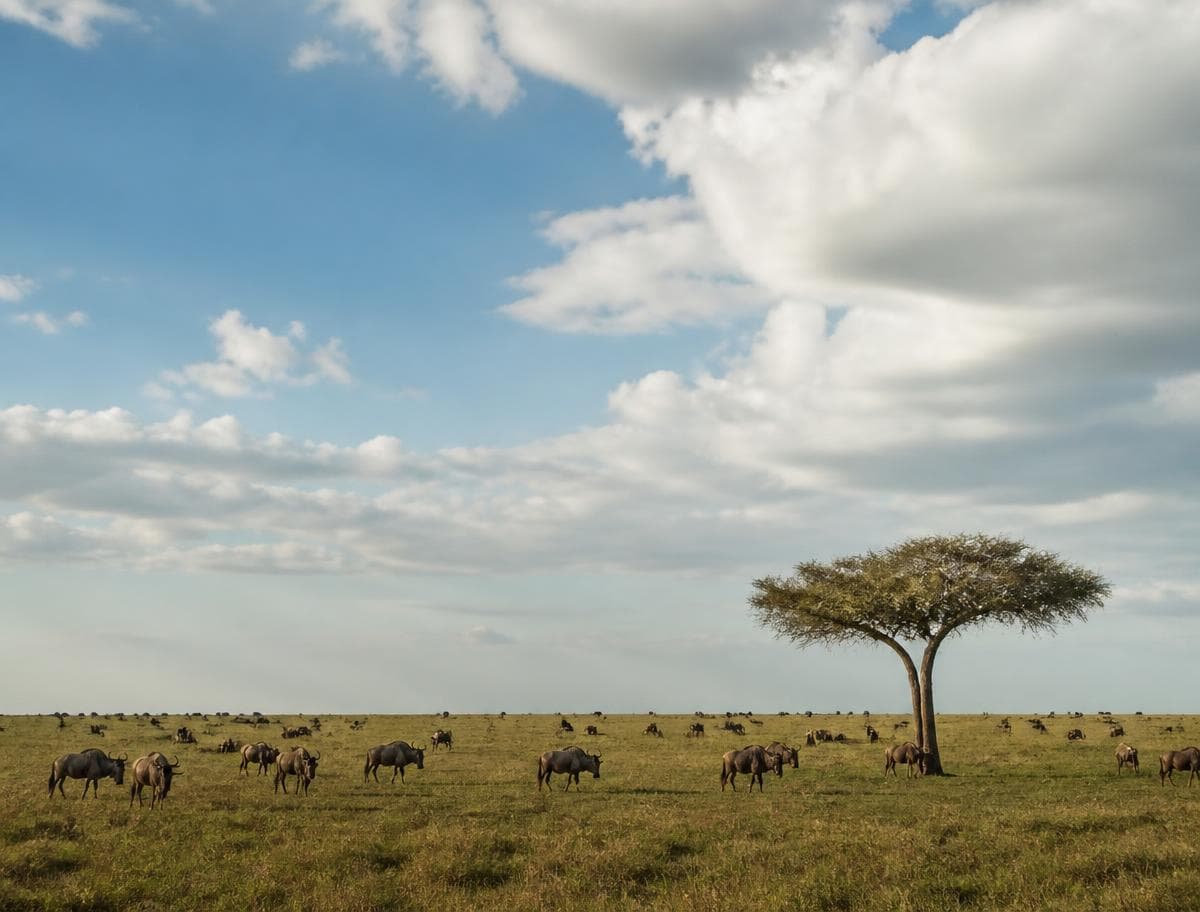
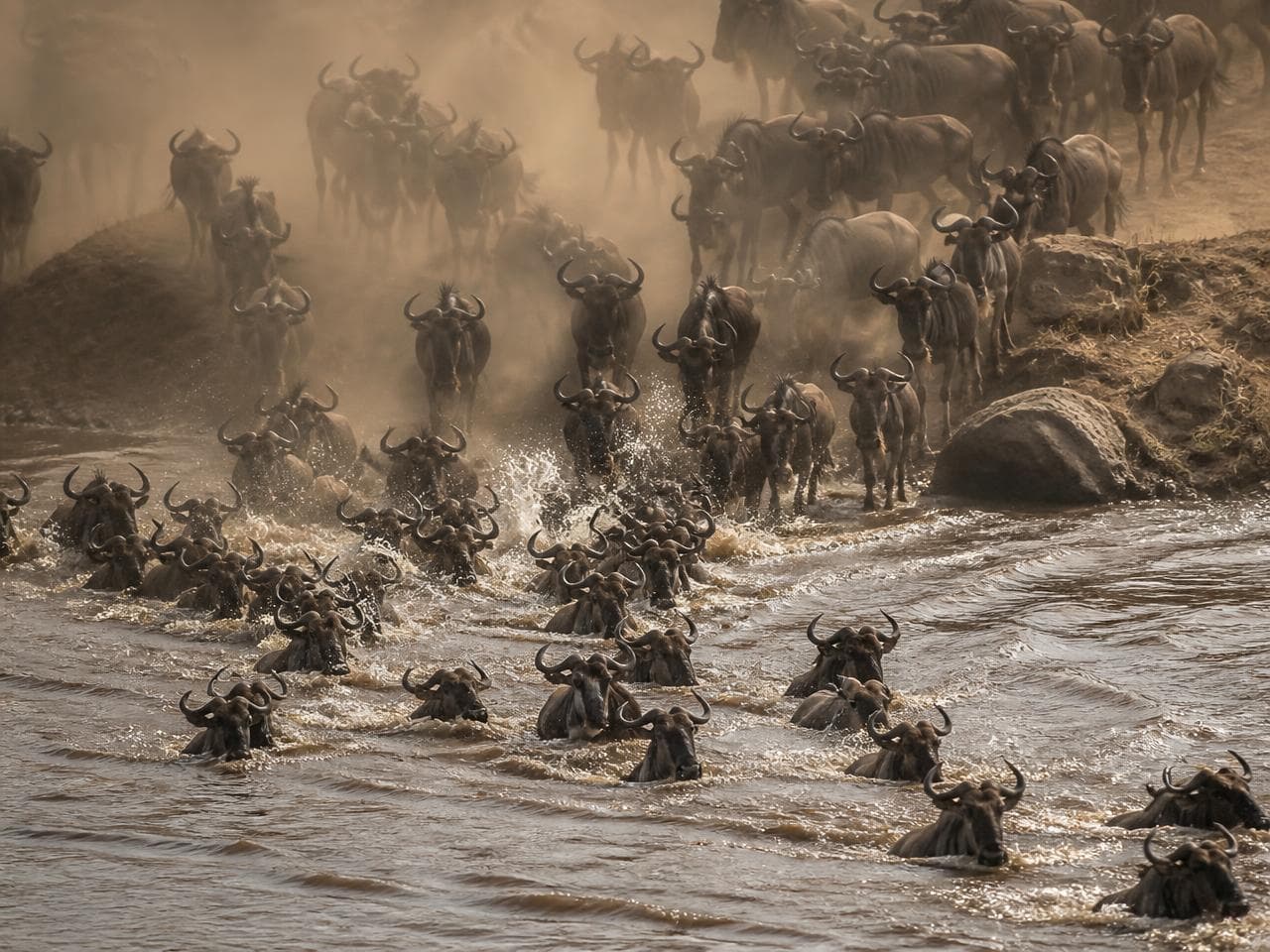
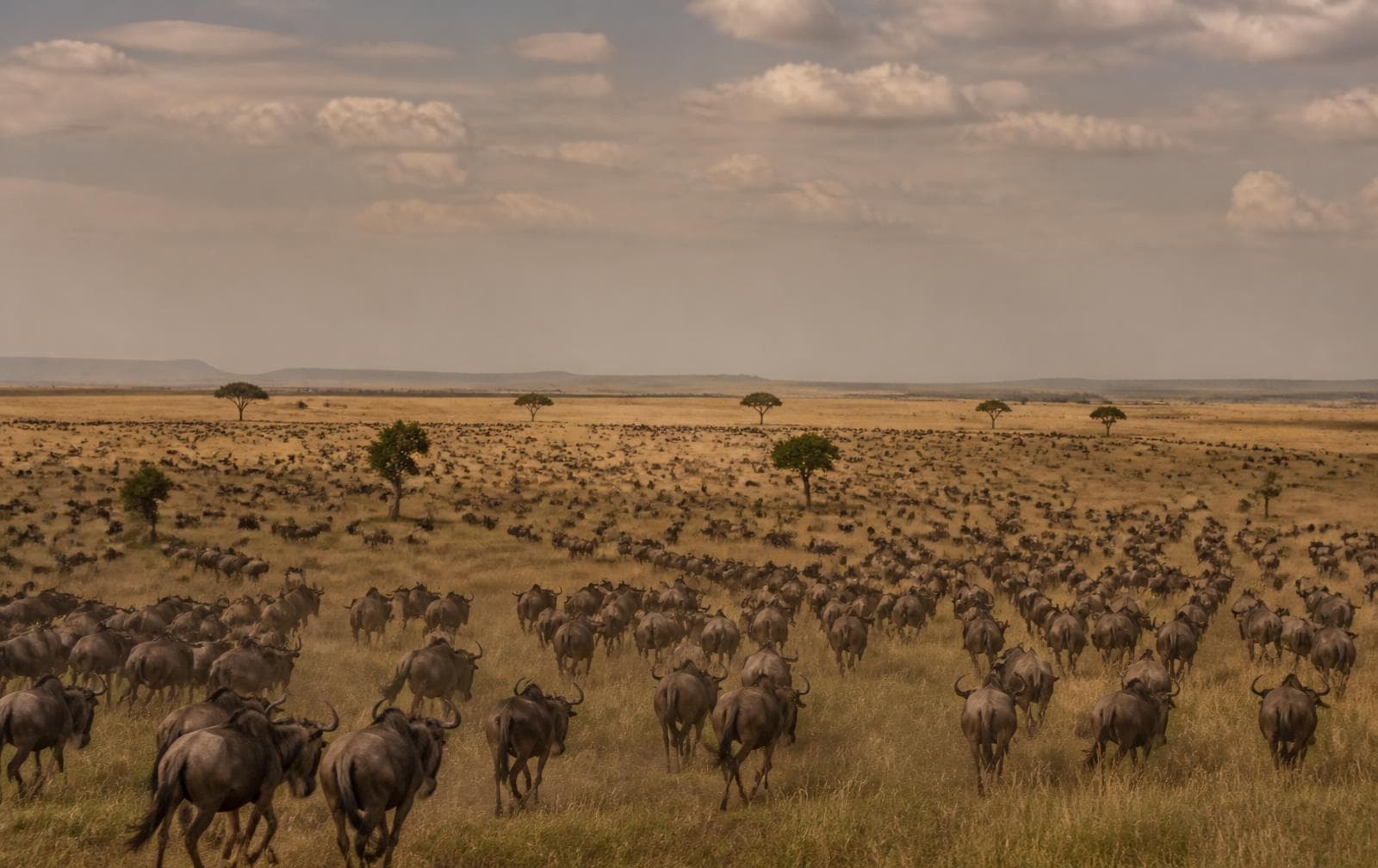
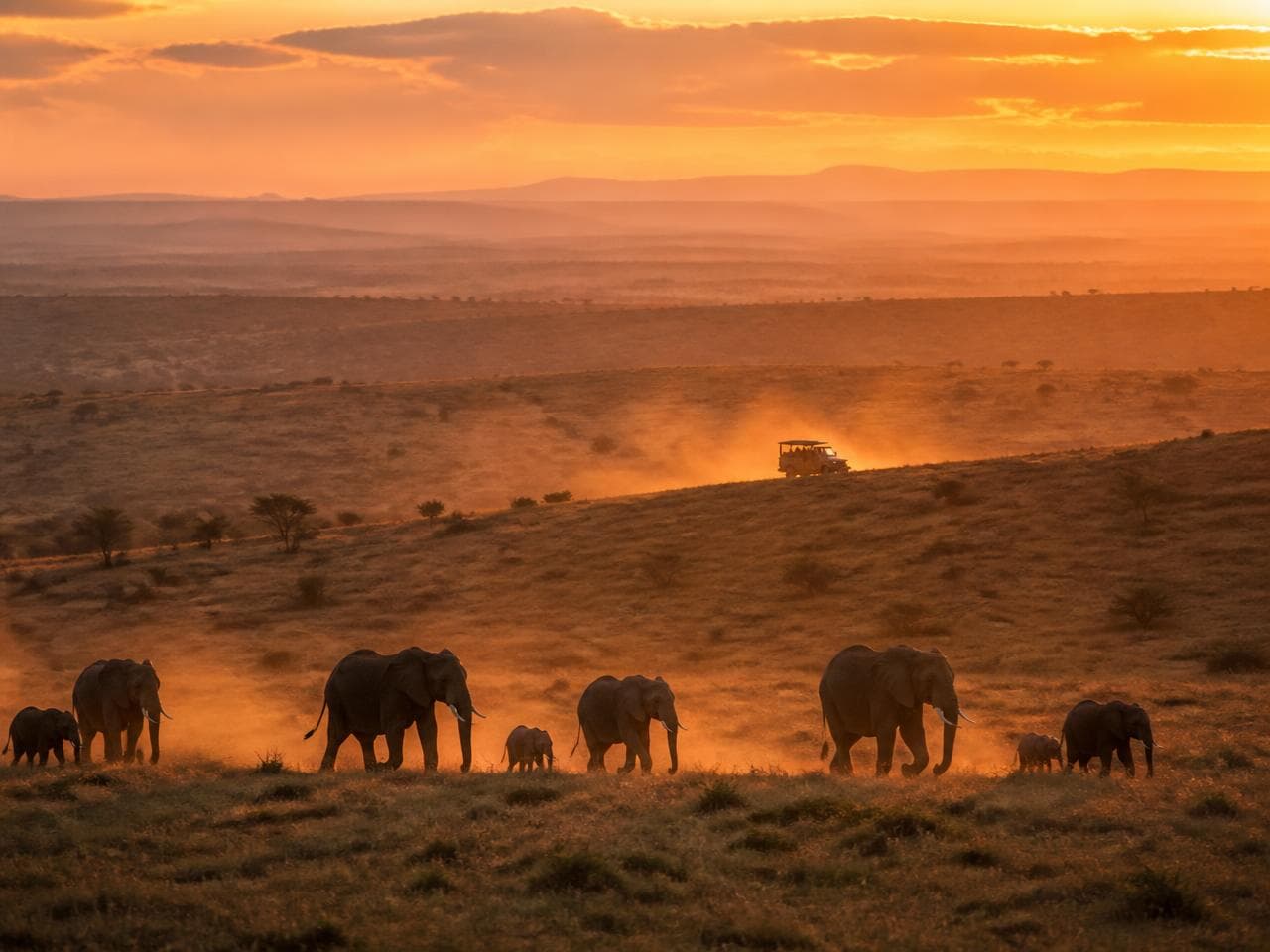
The Great Migration is not an event on a date. It is a continuous, roughly circular movement of around 1.5 million wildebeest and several hundred thousand zebra through the Serengeti–Mara ecosystem, following rainfall and grazing. Where the herds are in any given month is a pattern, not a promise.
In broad terms: the southern Serengeti and Ndutu hold the herds for calving around January to March; they move west and north through the middle of the year; the Mara River crossings into Kenya typically occur between July and October; and the herds drift south again from November. River crossings in particular are unpredictable — herds can mass on a bank for a day and not cross, or cross three times in an afternoon.
If the migration is your reason for travelling, build in time. Three nights in the right region gives you several attempts; one night is a lottery. Our migration journeys are the trips whose own programmes are built around the herds, and our guide to the migration sets out the month-by-month pattern in more detail.
How you travel
Private safari journeys
On a private safari, the vehicle is yours. That sounds like a comfort upgrade, and it is, but the real difference is control over the day: you decide when to leave camp, how long to stay with a sighting, when to stop for lunch and whether to turn around for something you passed. On a shared vehicle those decisions are a compromise between everyone aboard.
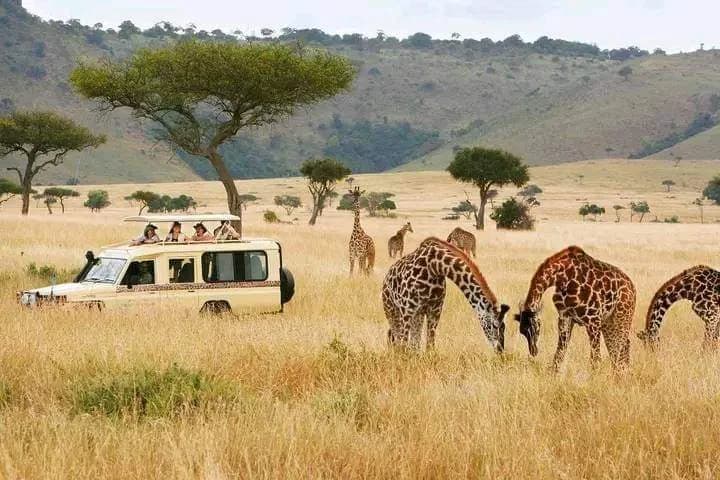
All of our game drives use a 4x4 Land Cruiser with a pop-up roof — not a minibus. The high clearance matters on wet park tracks, and the roof gives everyone a clear line for viewing and photography without anyone standing in someone else's shot.
Private journeys and group joining departures are both in the catalogue. Group joining keeps the cost down by sharing the vehicle with other travellers on a scheduled date; private costs more per person but the itinerary is yours to shape.
Travelling together
Family safaris
Safari works well for families, provided the plan respects how long children will actually sit in a vehicle. The usual mistakes are too many parks, too many long transfer days, and game drives that run past the point of interest. A better shape is fewer destinations, two or three nights in each, and a mix of drives with something active in between.
Kenya suits younger families particularly well because Nairobi has genuine wildlife attractions that work as an introduction — the elephant orphanage, the Giraffe Centre and Nairobi National Park are all half-day or day trips that can sit either side of a safari. Amboseli and Lake Nakuru are compact parks with reliable, visible wildlife, which suits shorter attention spans better than hours of searching.
We build family safaris to order rather than selling them as fixed departures, because the right pace depends entirely on the ages travelling. Tell us who is coming and we will shape the days around them.
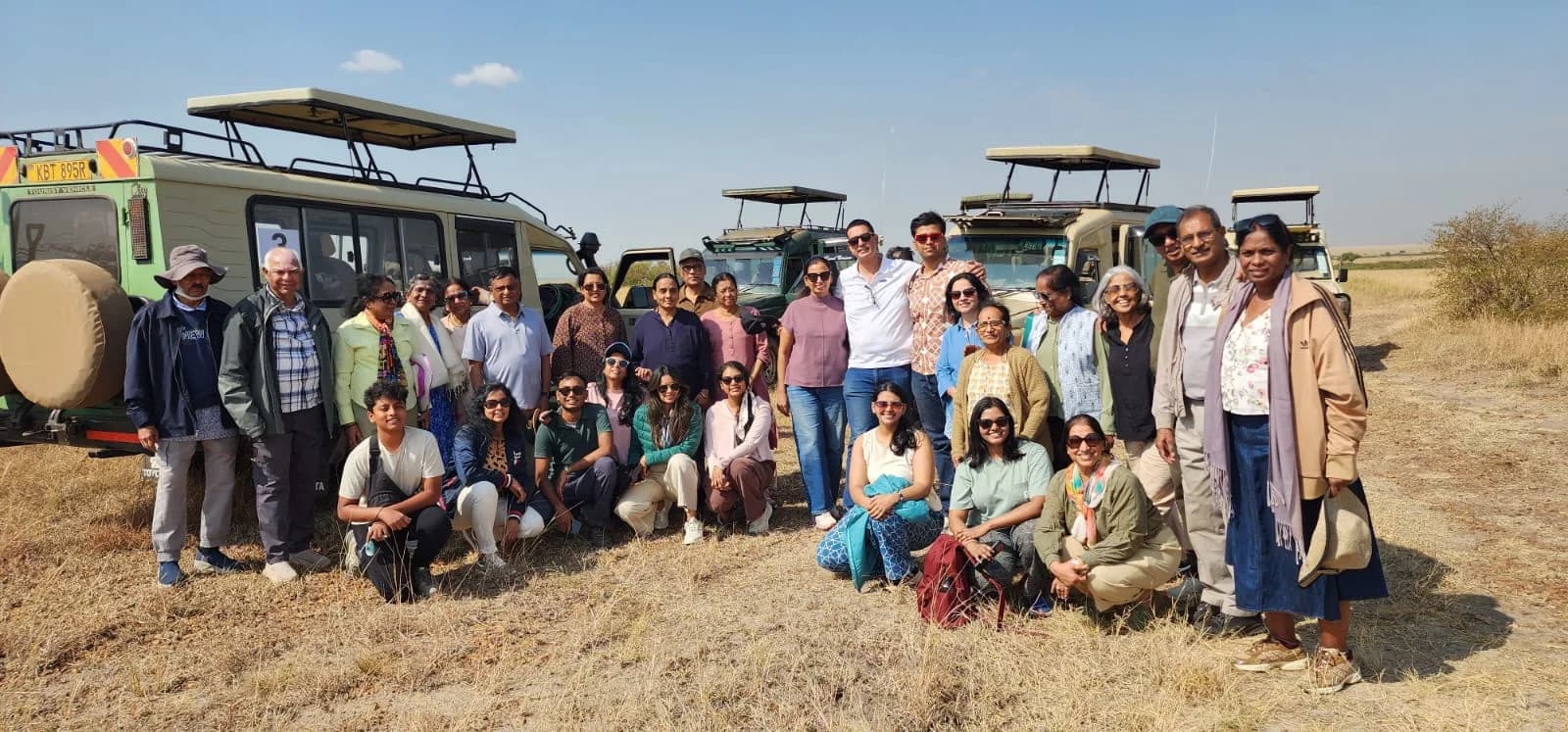
Behind the camera
Photographic safaris
Photography changes the shape of a safari day more than most people expect. The good light is the first and last ninety minutes, which means leaving camp before dawn and staying out until the gates require you back. It also means the middle of the day is for resting, backing up cards and charging batteries, not for driving between parks.
A pop-up roof gives you a stable, elevated shooting position; a bean bag on the roof rail is more useful than a tripod. Low, level angles from an open vehicle are what separate a safari photograph from a snapshot, which is another argument for a private vehicle where you can ask the guide to reposition.
We do not run dedicated photographic departures with hides or specialist vehicles, and we will not pretend otherwise. What we can do is build a standard journey around light: fewer parks, longer in each, early starts, and a guide briefed that you would rather wait an hour for the animal to move than tick off another species.
From above
Hot-air balloon experiences
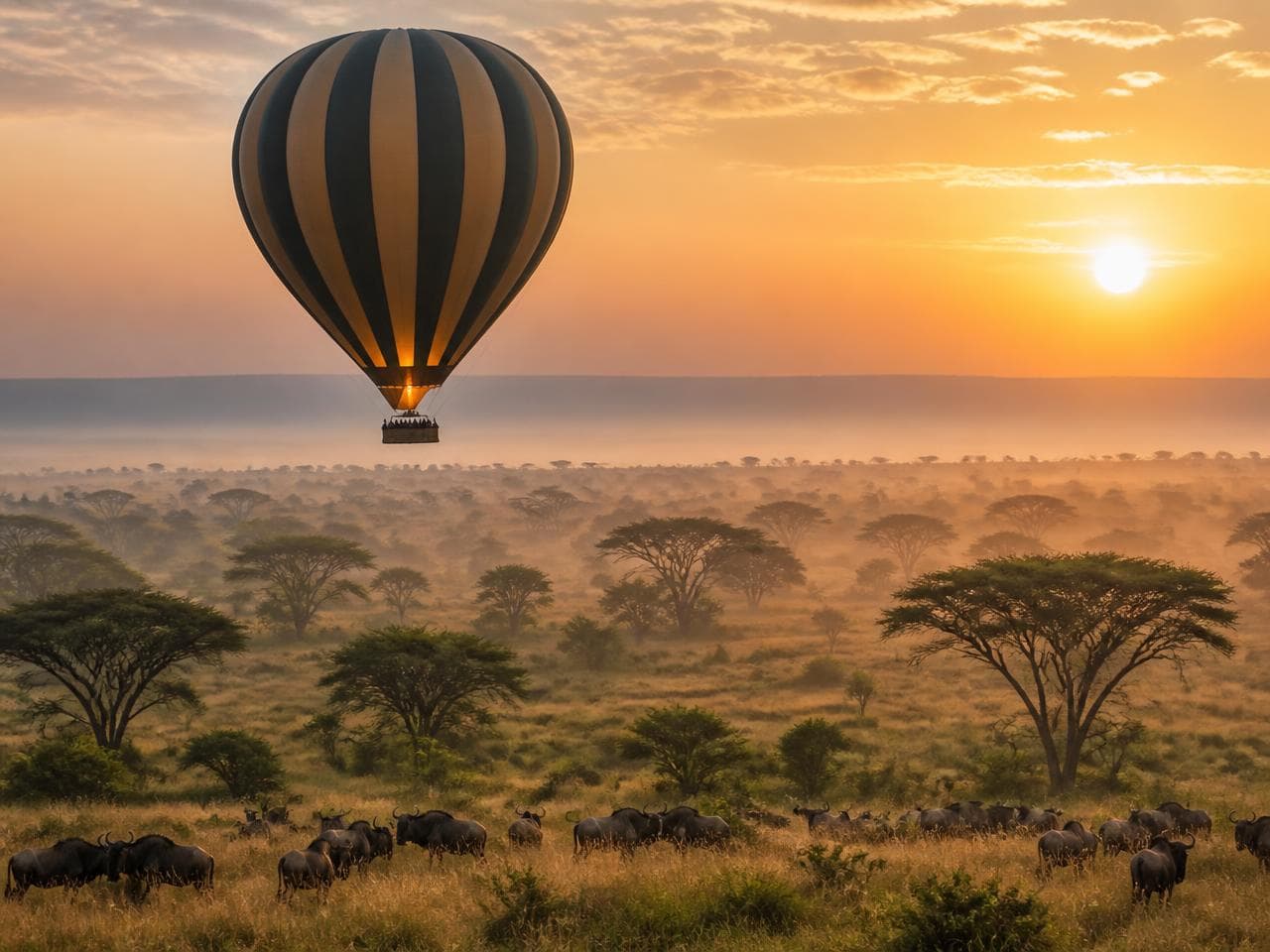
A balloon flight over the Mara or the Serengeti launches at first light and runs roughly an hour, drifting low over the plains before landing for a bush breakfast. It is the one way to understand the scale of the grassland — herds that look scattered from a vehicle resolve into a pattern from three hundred metres up.
Practicalities worth knowing: it is an early start, usually a 4am pick-up; flights are weather-dependent and are cancelled for wind rather than negotiated; and it is a significant additional cost on top of a safari, booked separately. It is an optional extra on our journeys, not an inclusion — ask us for the current price when you enquire and we will quote it honestly.
People and place
Cultural and community experiences
Most of our Kenyan safaris include the option of visiting a Maasai village near the Mara, where you will be shown the homestead, the songs and dances, and how a fire is started without matches. It is a genuine window into a pastoral culture that still shares this landscape with the wildlife — and it is usually an additional charge paid locally, which we will tell you about rather than bury.
In Nairobi, the Bomas of Kenya presents traditional homesteads and dance from across the country, and the Karen Blixen Museum covers the colonial history that shaped the city. Around Arusha, coffee estates on the slopes of Mount Meru and craft workshops in town fill a day either side of the northern circuit.
A note on honesty: community visits work best when they are treated as an exchange rather than a performance. Ask your guide what is appropriate to photograph, and expect to pay for crafts if you want them.
Uganda
Gorilla and chimpanzee trekking
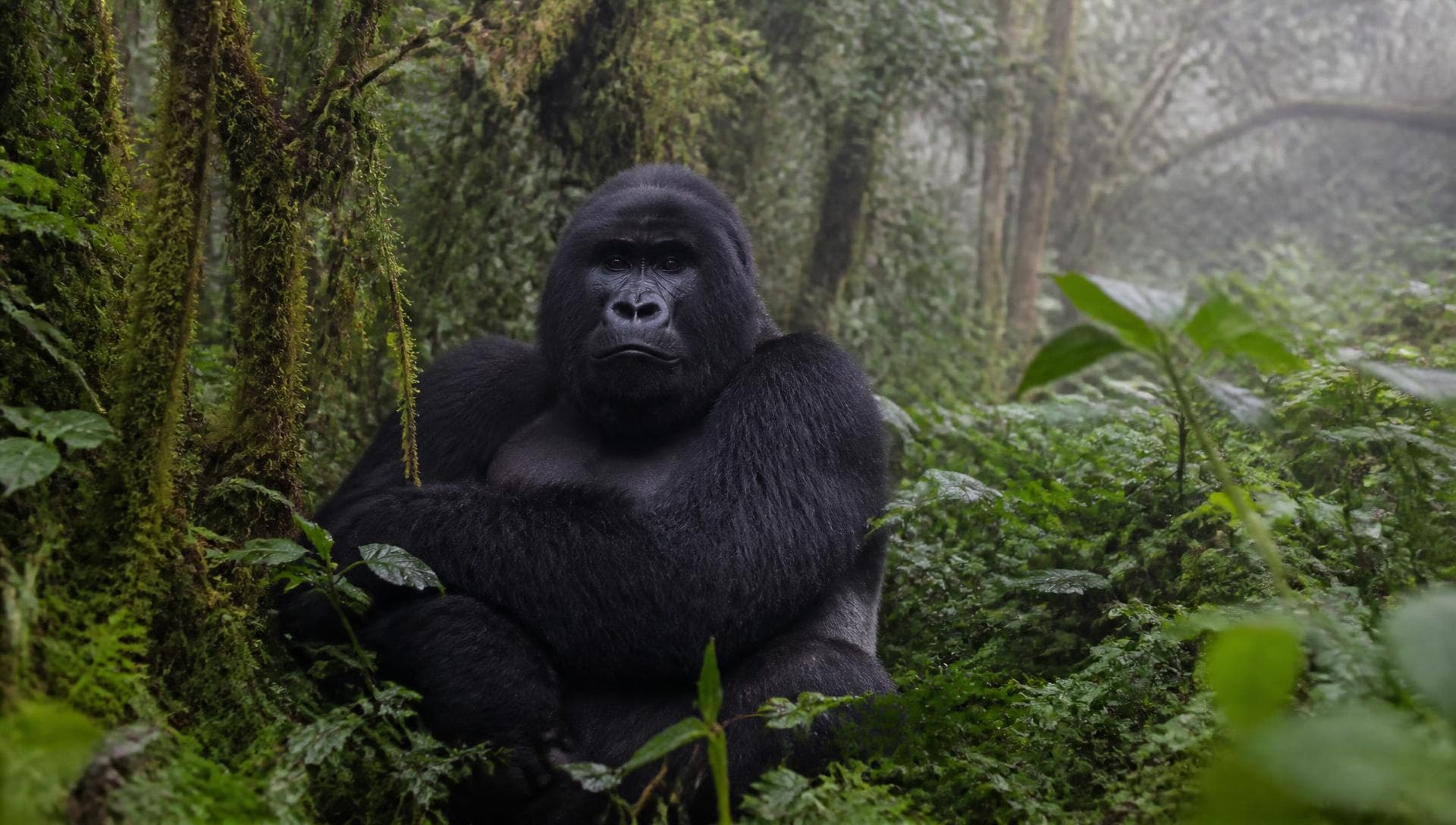
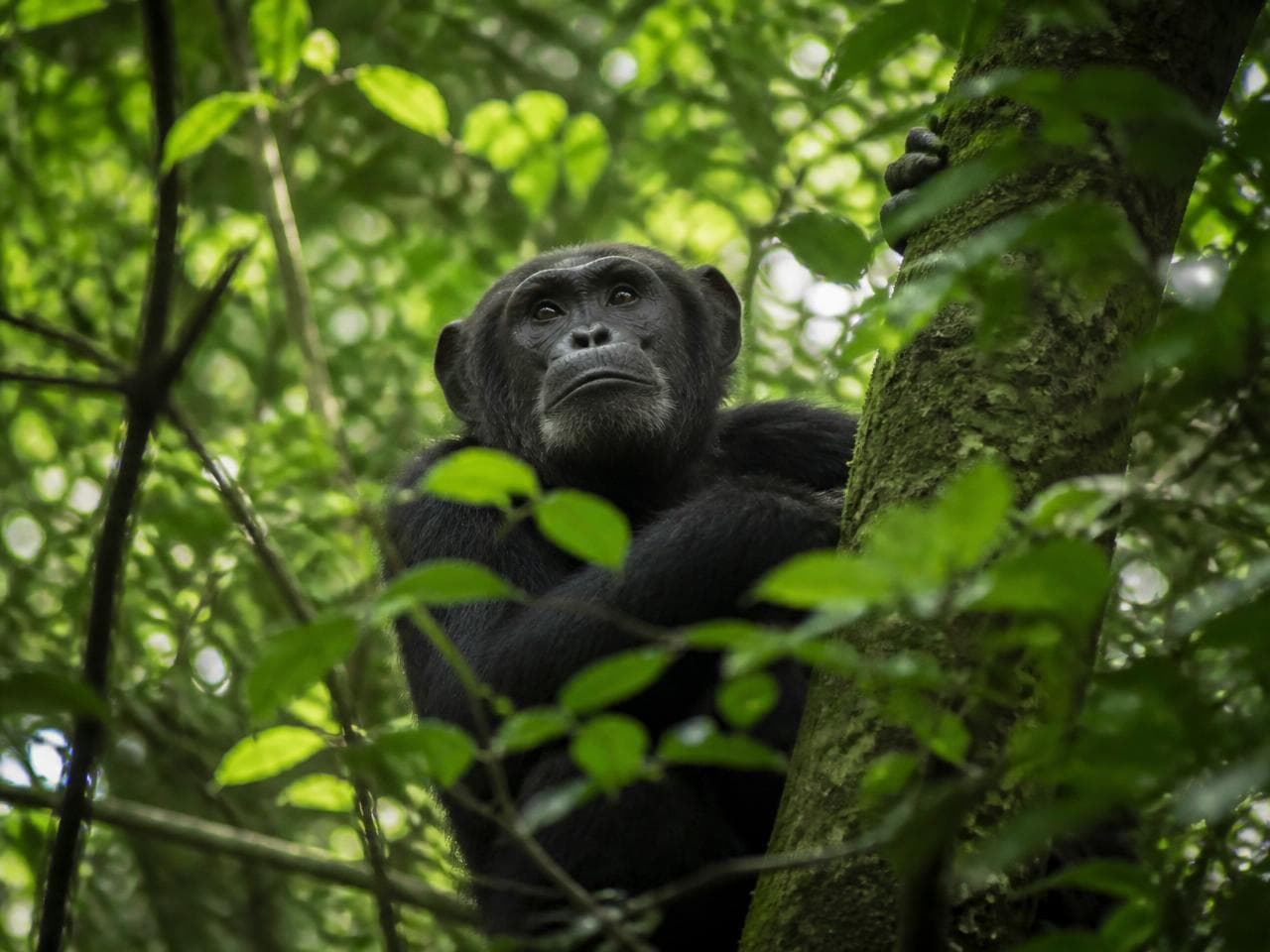
Uganda is the natural extension to a Kenya or Tanzania safari, and it offers something neither can: habituated mountain gorillas in Bwindi Impenetrable Forest and chimpanzees in Kibale. Both are permit-controlled, both involve real walking in steep, wet forest, and both are limited to a strict hour with the animals once found.
Gorilla permits are limited in number, priced separately from any safari and must be secured well in advance — this is the single biggest constraint on planning a Uganda trip, and it is worth starting months ahead rather than weeks. Fitness matters more than for a game drive: treks can run from one to six hours each way depending on where the family has moved.
We do not currently publish fixed Uganda packages in our catalogue. See our Uganda destination guide for what the country offers, then talk to us about adding it to a Kenya or Tanzania itinerary.
On foot
Kilimanjaro and Mount Kenya
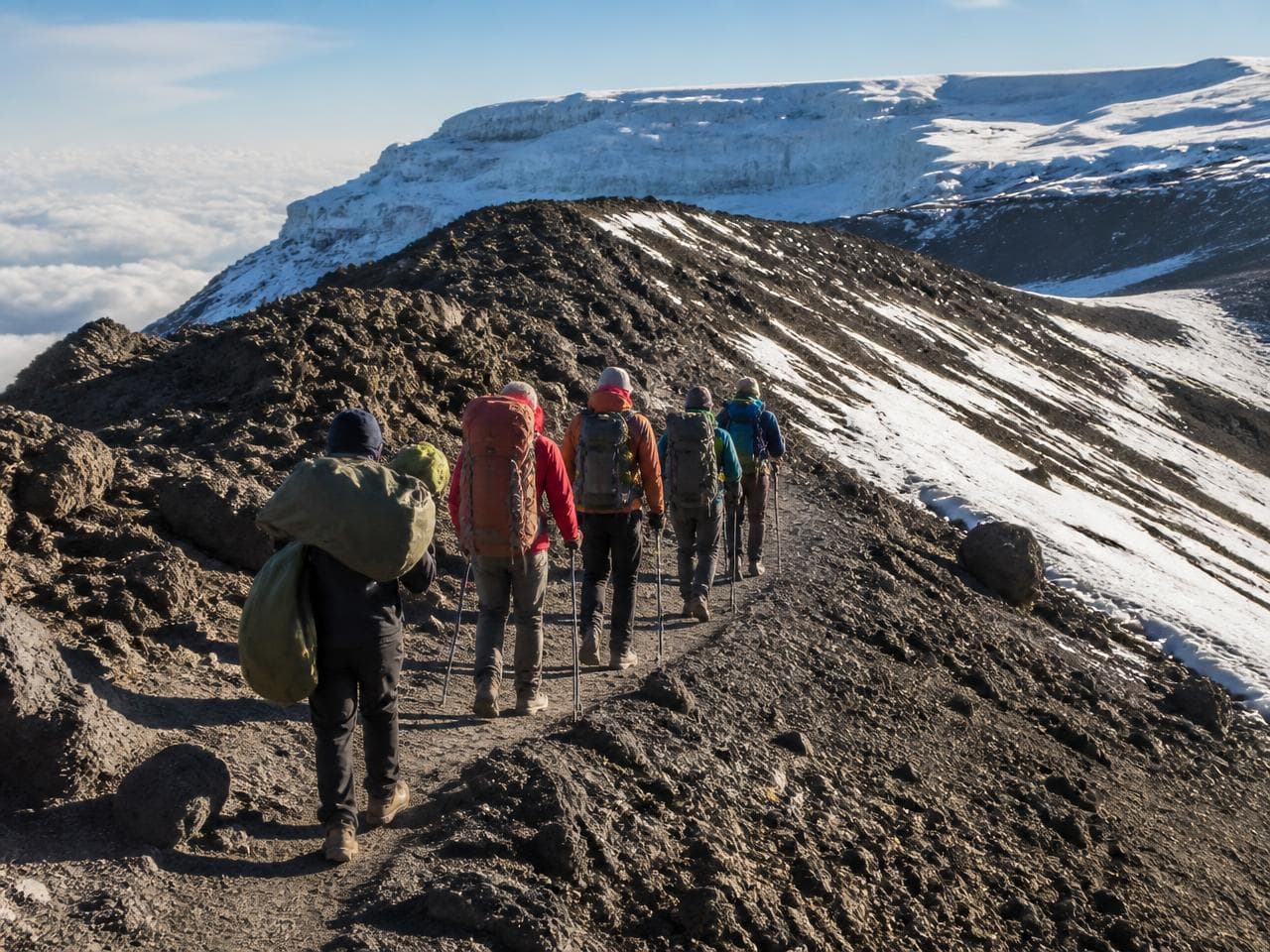
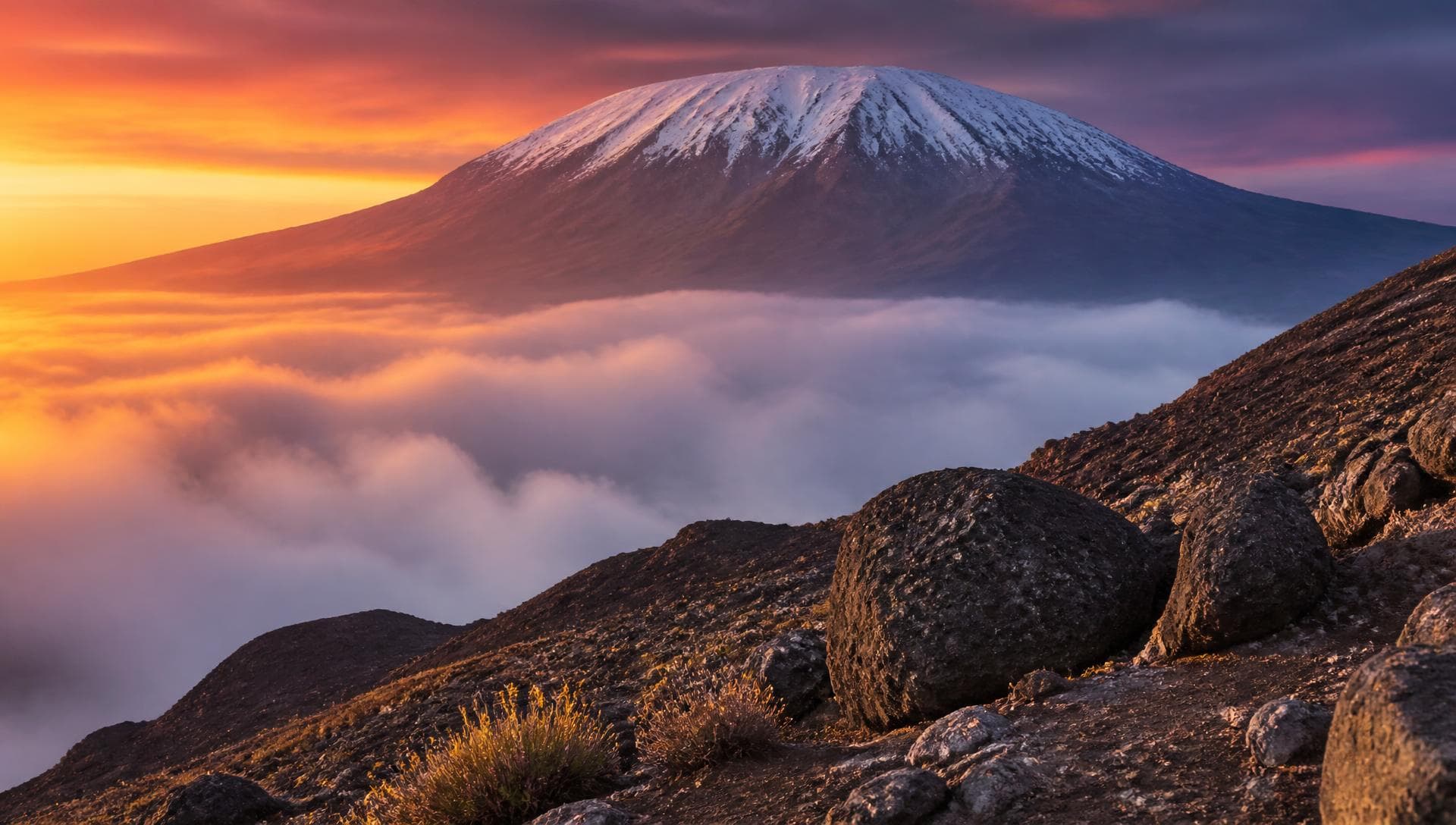
Kilimanjaro at 5,895 m is the highest point in Africa and a non-technical walk — no ropes, no climbing skill, just a long ascent through five climate zones and a summit night that begins around midnight. The variable that decides success is acclimatisation, which is why route length matters far more than route difficulty. Our Marangu and Machame programmes run from five to eight days, and the longer versions have materially better summit rates.
Mount Kenya is the more interesting mountain for many walkers and far less crowded. Point Lenana at 4,985 m is a trekking peak reached by several routes; the Sirimon–Chogoria traverse takes you up the gentler western side and down the spectacular Gorges Valley. The true summits, Batian and Nelion, are technical rock climbs and a different proposition entirely.
Browse every route in climbing & trekking, or read the Kilimanjaro destination guide.
Afterwards
Safari and the Indian Ocean
Safari days start early and involve a lot of vehicle time. Three or four nights on the coast afterwards is the most common way our travellers finish a trip, and it changes the whole shape of the holiday — the safari becomes the intense part and the coast becomes the recovery.
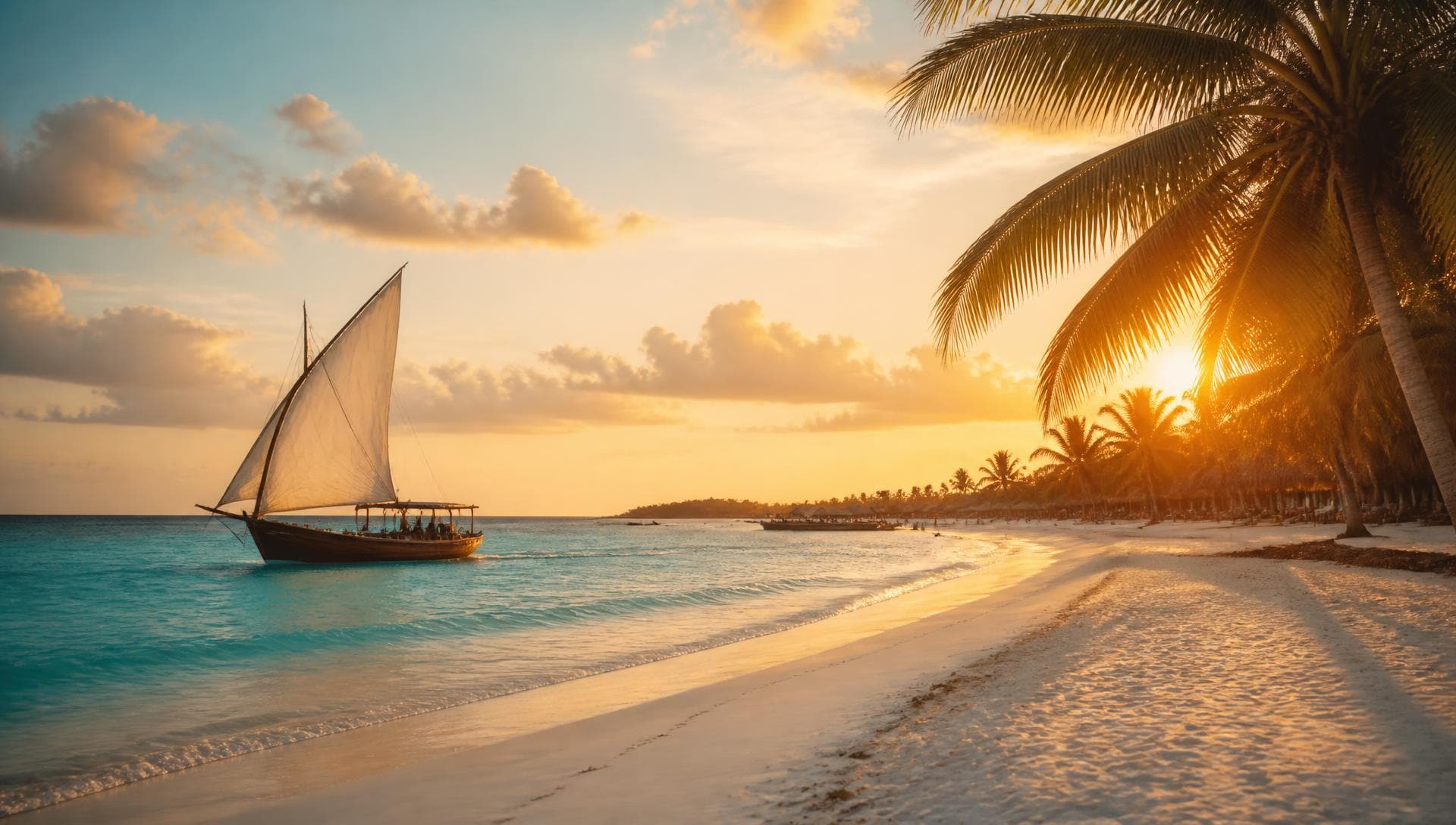
Zanzibar is the usual choice from northern Tanzania: short flights from Arusha or Kilimanjaro, Stone Town's coral-stone alleys and carved doors, and very different beaches depending on which coast you pick — the north for swimmable water at all tides, the east for wide, quiet sand and a dramatic tidal range. The Kenyan coast around Diani and Watamu is the equivalent from Nairobi.
See the Zanzibar guide, or ask us about safari and beach combinations — we build these to order rather than as fixed products.
Why it still exists
Conservation-focused travel
Park entry fees are the main funding mechanism for the reserves you visit. They are also the largest single component of a safari price, which is why a very cheap quote usually means fewer days actually inside a park. Understanding that makes it easier to judge what a price is buying.
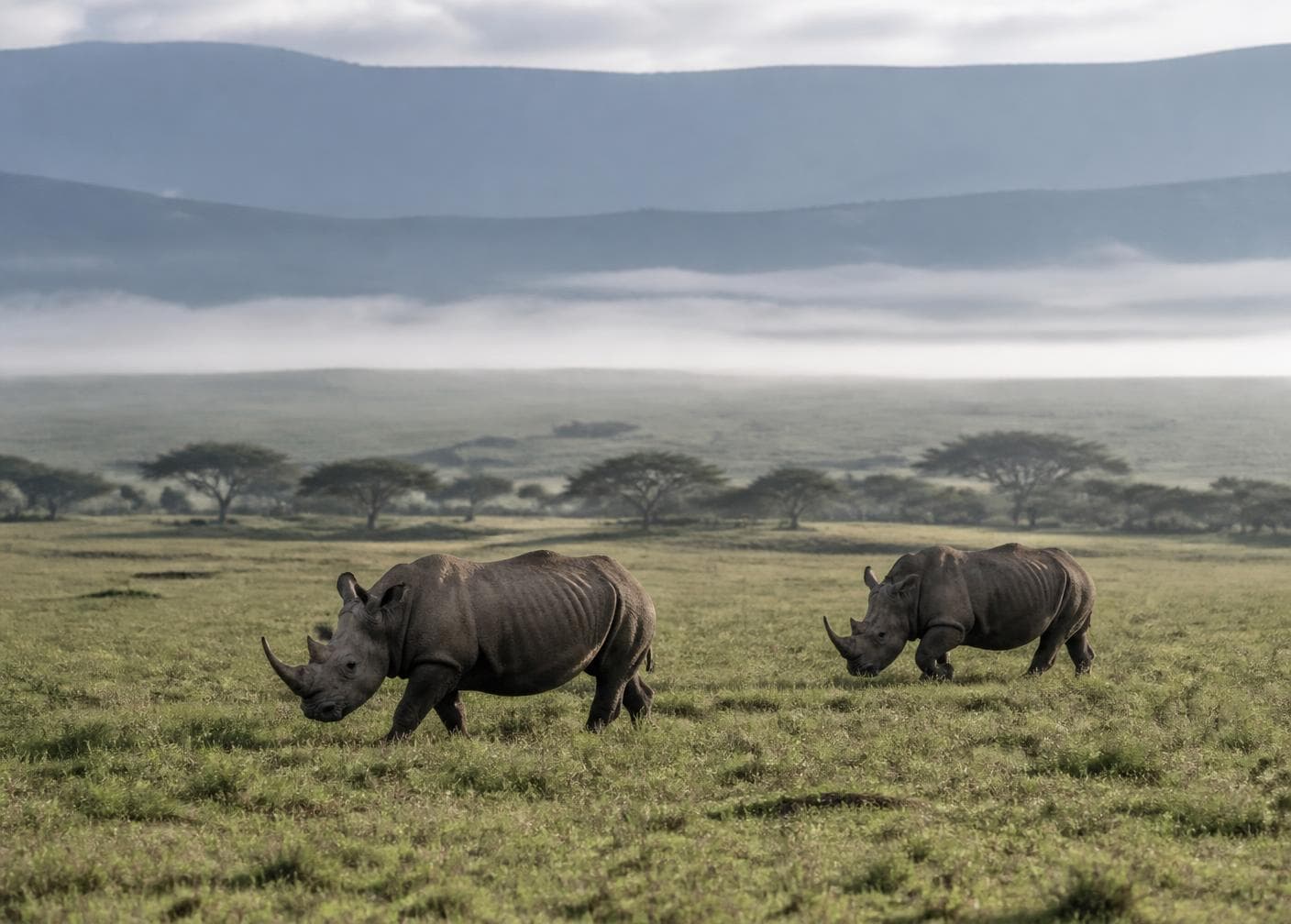
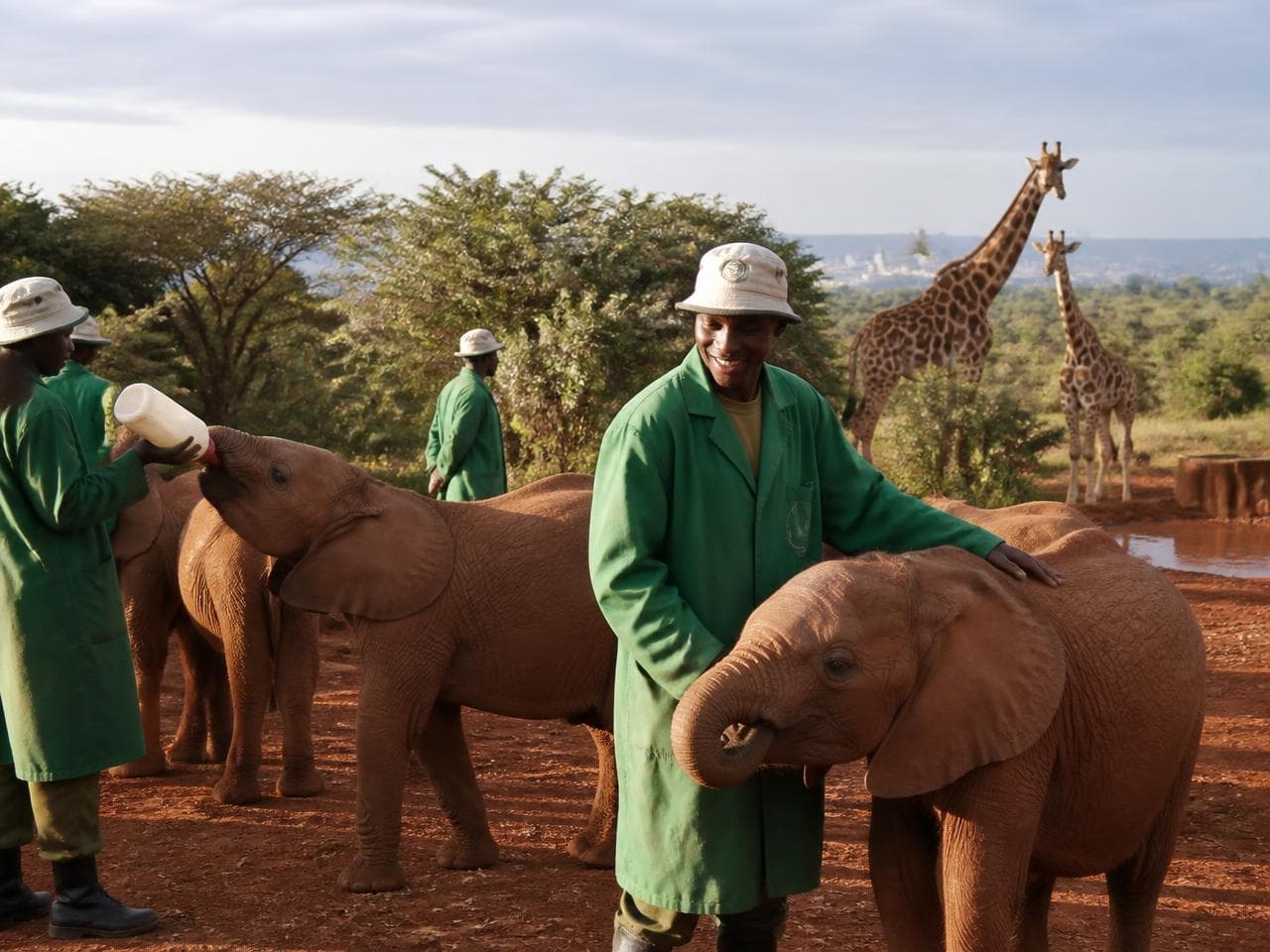
Two places on our catalogue make the conservation story visible. Lake Nakuru National Park is a fenced rhino sanctuary where both black and white rhino are genuinely likely to be seen — a rarity anywhere. The elephant orphanage in Nairobi hand-raises calves orphaned by poaching and drought and opens for a short public visit each day.
We are a safari operator, not a conservation organisation, and we will not claim donations or programmes we do not run. What we can say is that where your money goes is a fair question to ask any operator, and we will answer it for any trip we quote.
Not sure which of these you want?
Most trips combine two or three of them. Tell us how long you have, who is travelling and what you would most like to see, and we will tell you honestly what fits and what does not.