The long rains run from roughly late March to May. This is the wettest part of the year. Rain usually arrives as heavy afternoon storms rather than all-day drizzle, so game viewing continues, but unsurfaced tracks — particularly in the black-cotton soils of the Serengeti and parts of the Mara — become genuinely difficult, and some seasonal camps close.
The short rains fall around November into early December. They are lighter and more scattered, and rarely disrupt a trip. They green the country quickly, which is why November is one of the most attractive months for photography and birding.
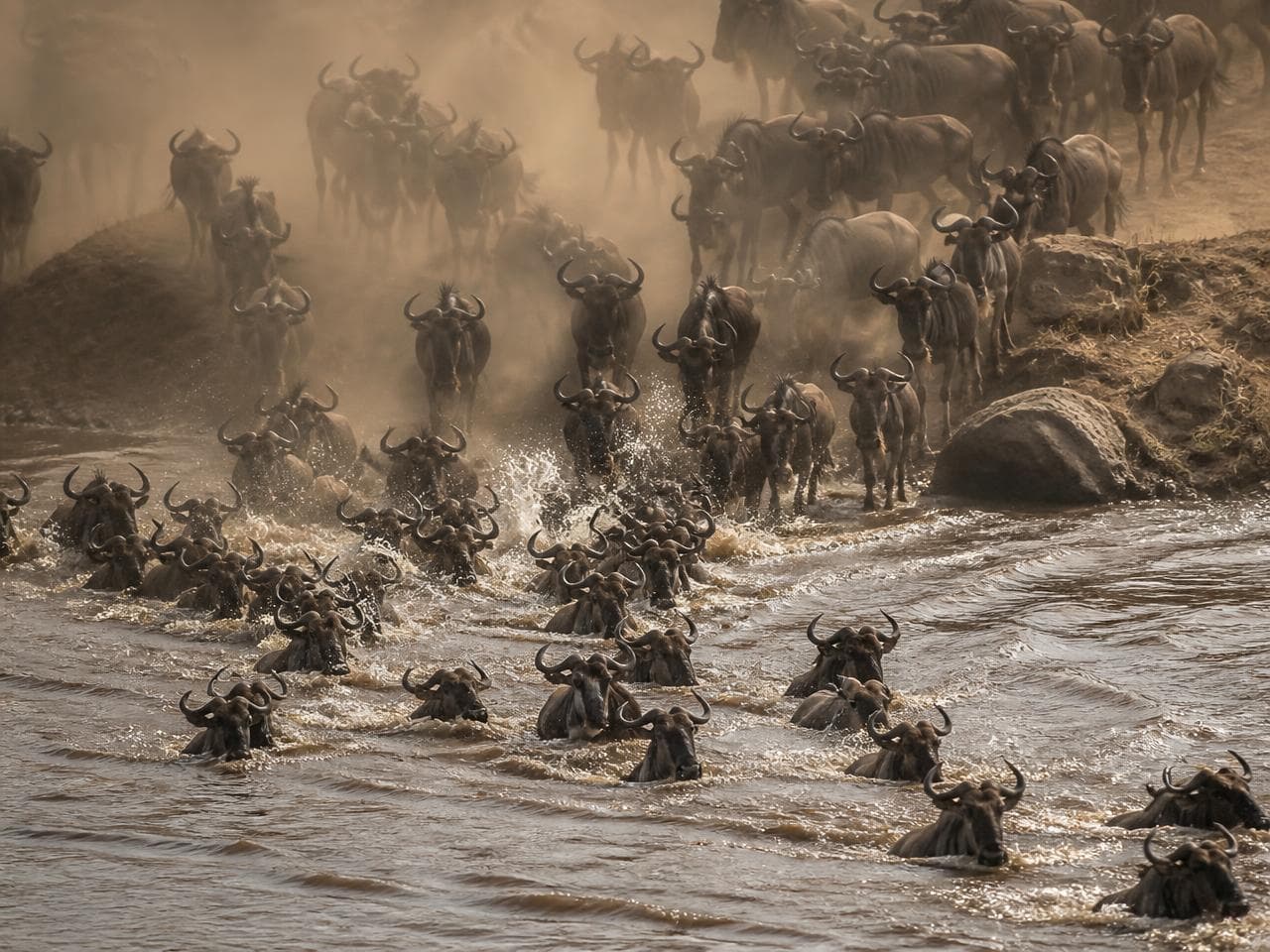
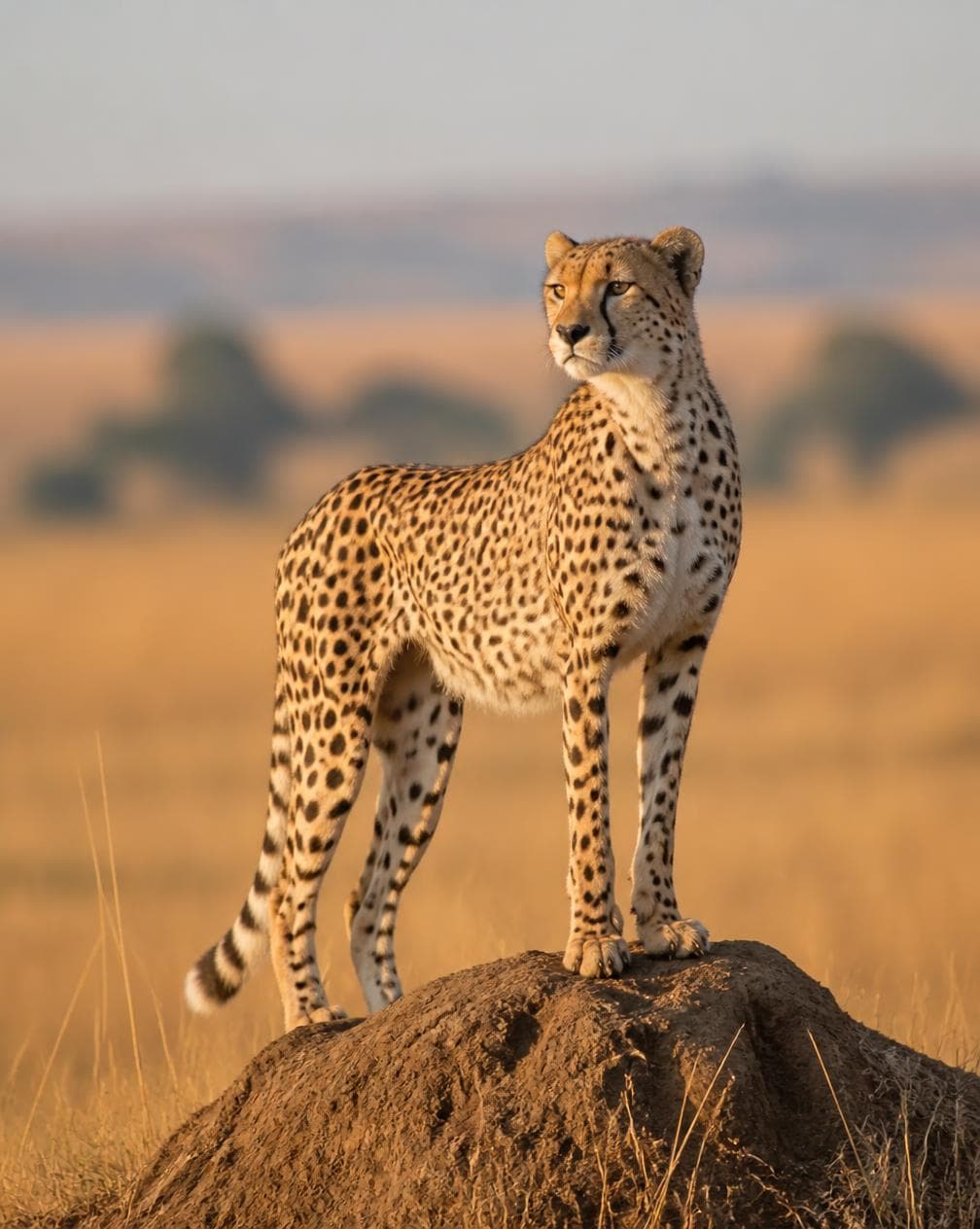
The dry seasons — roughly June to October, and again January to early March — are the classic safari months. Grass is short, water is scarce, and animals gather at the remaining rivers and waterholes, which makes them easier to find and to photograph.
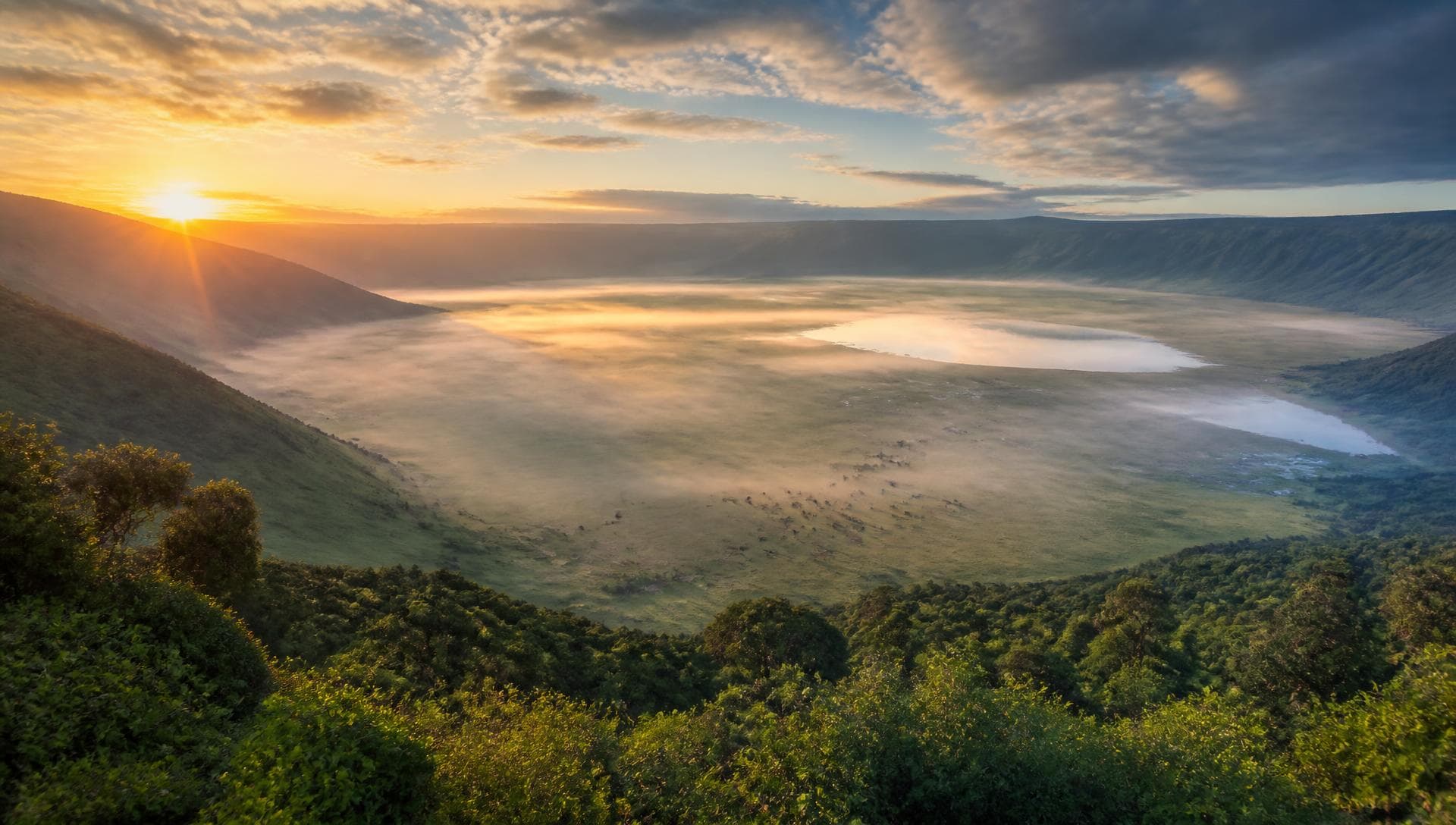
Altitude matters as much as season. Most of the safari circuit sits between 1,000 and 2,300 metres, so even in the hottest months dawn game drives are cold enough to want a fleece. The Ngorongoro crater rim at 2,300 metres is genuinely chilly at night year-round.