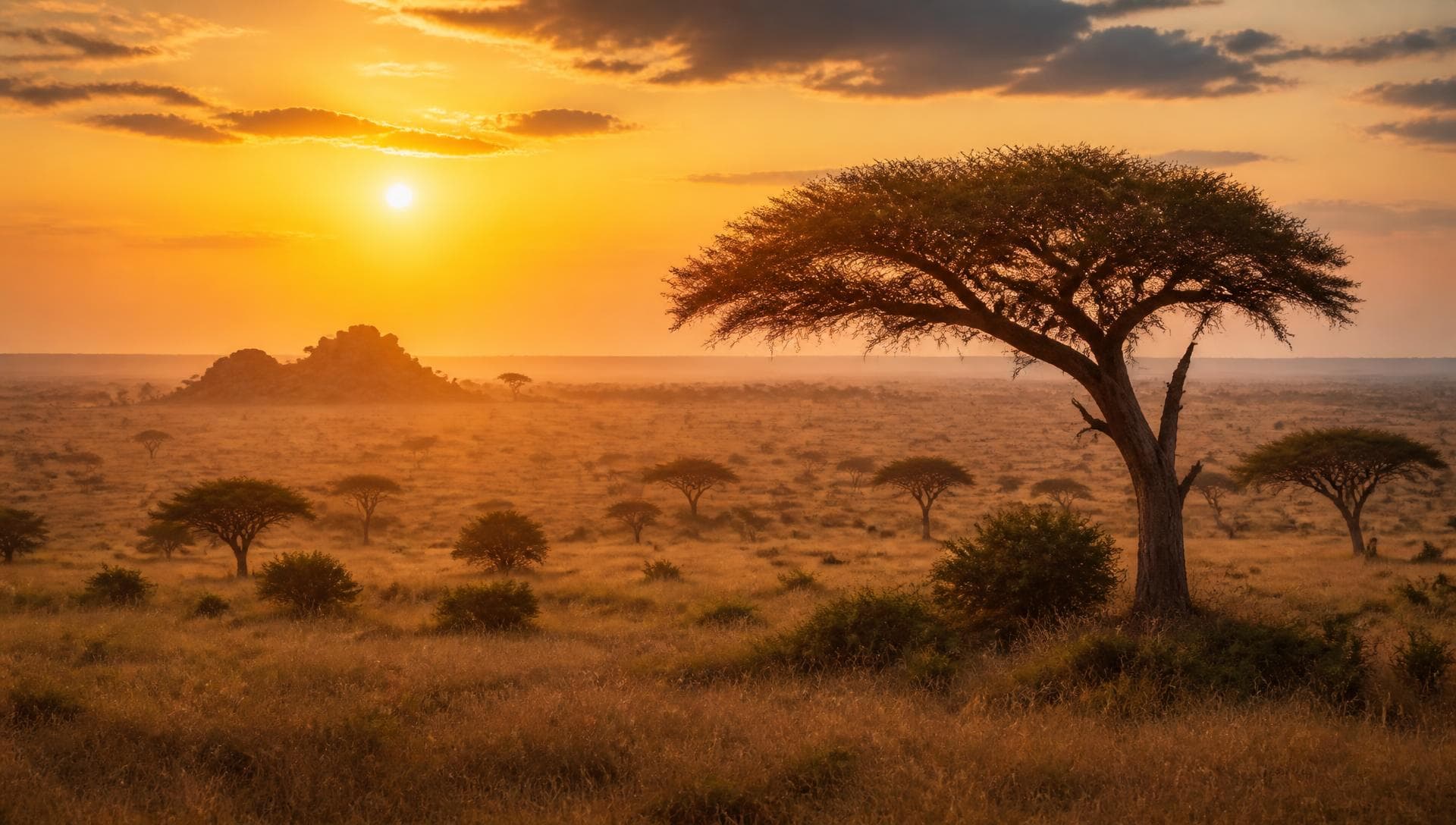
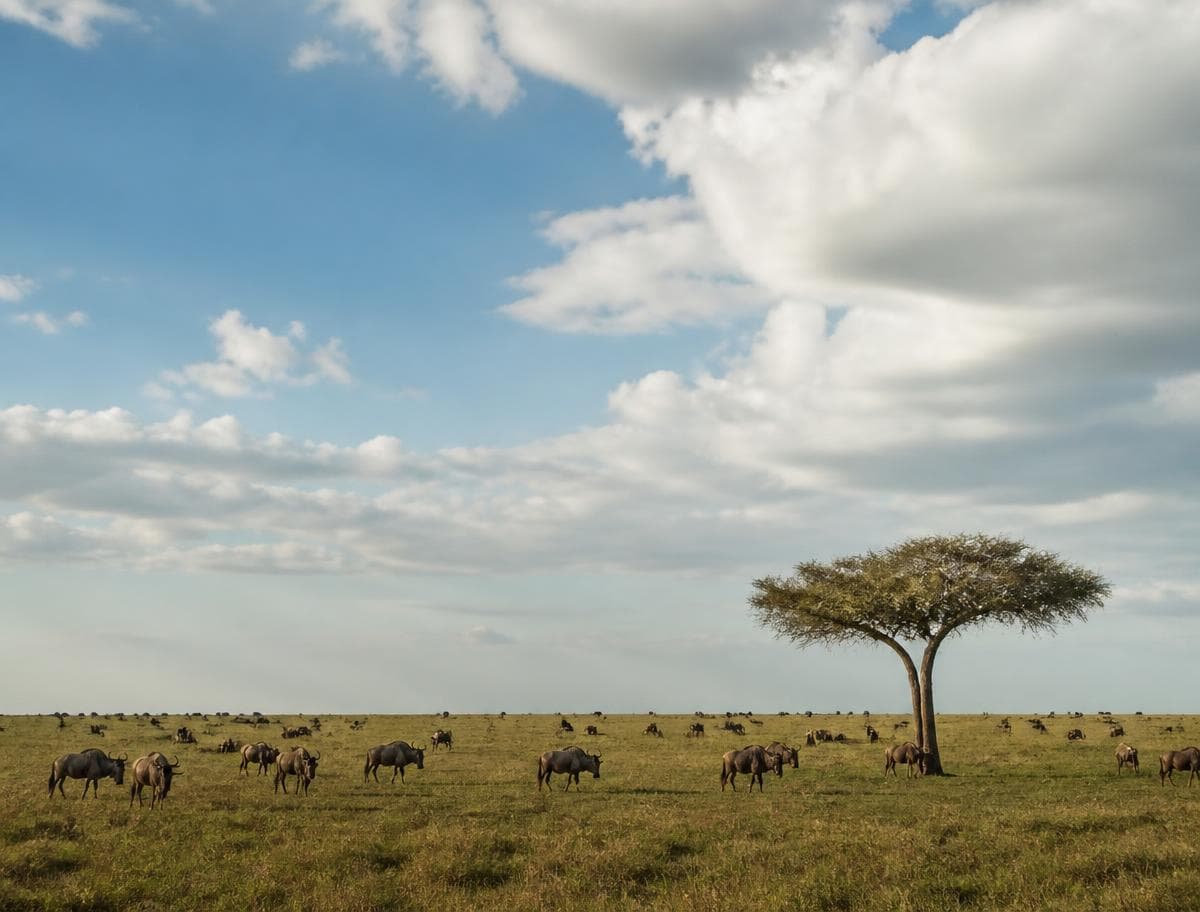
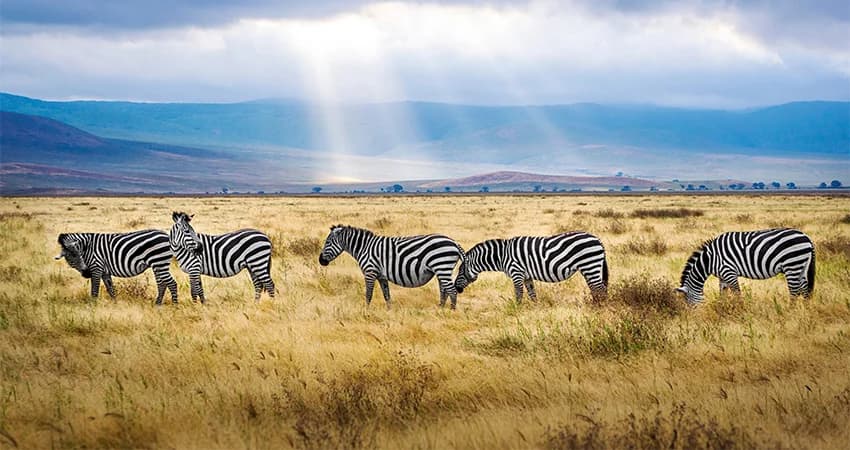
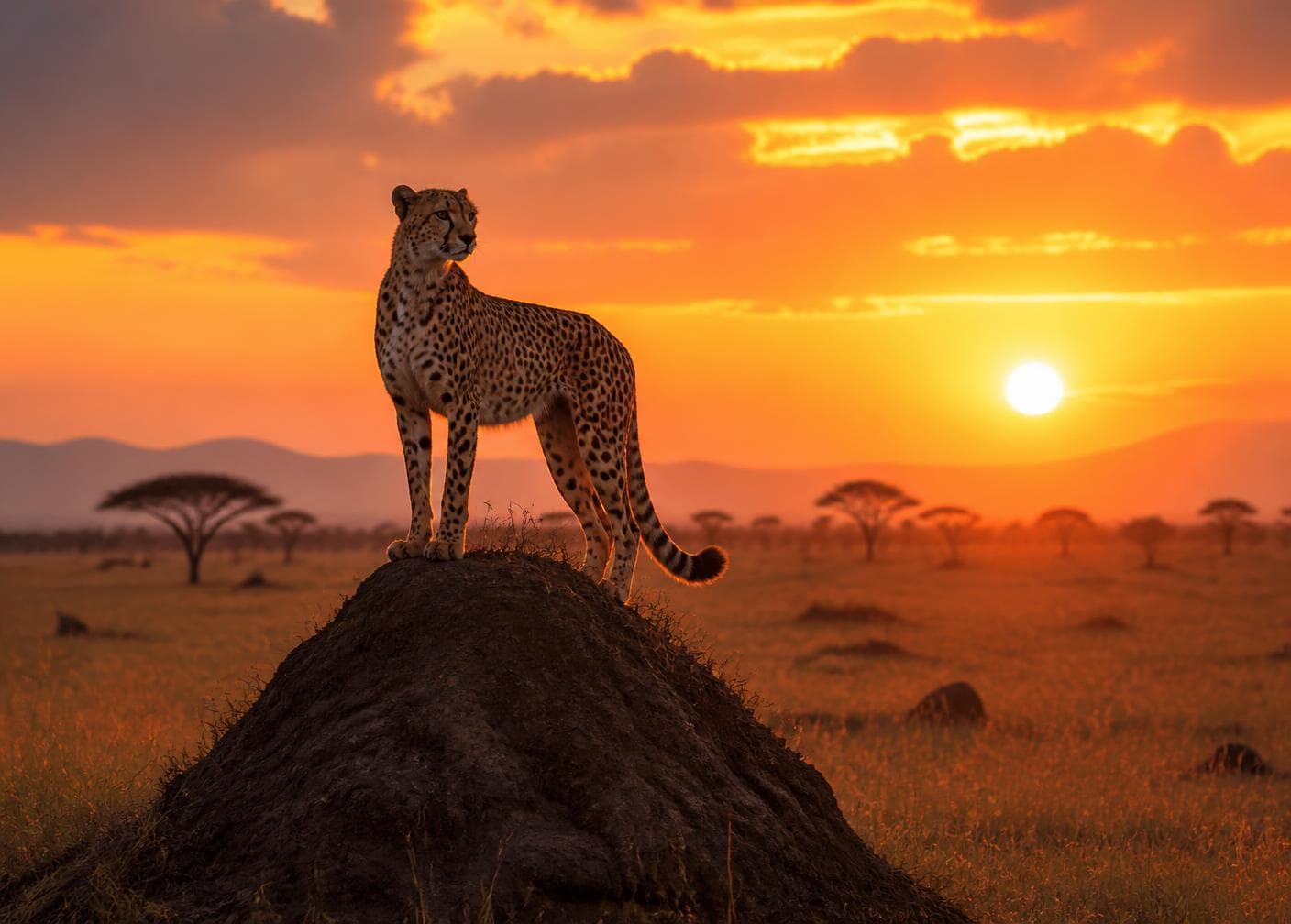
The Serengeti covers roughly 14,750 square kilometres of northern Tanzania, from the short-grass plains near Ndutu in the south to the Mara River in the north. Volcanic ash from the Ngorongoro highlands left soils too thin for trees across much of the south, which is why the plains are so open — and why grazing herds do so well on them.
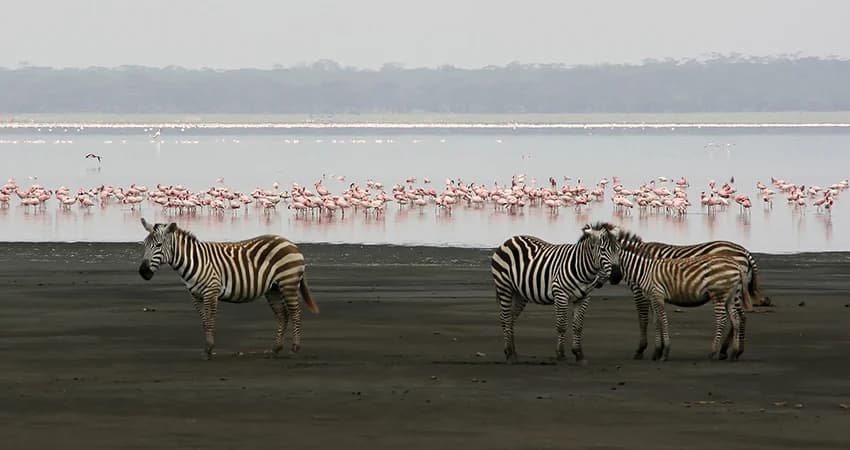
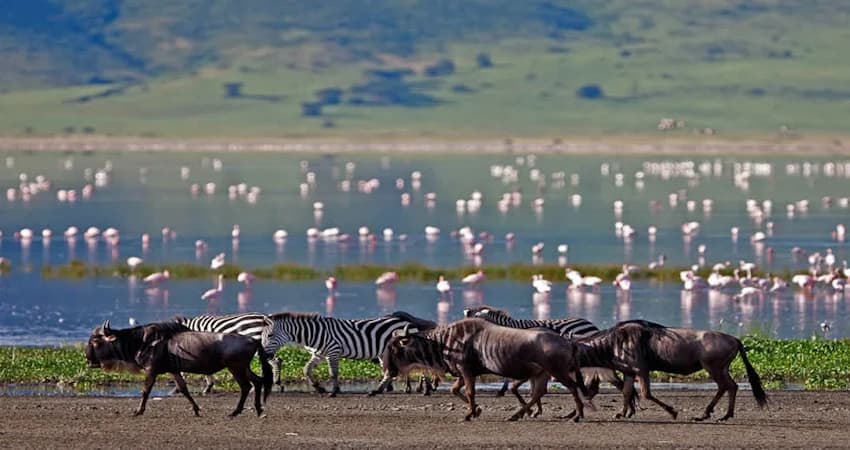
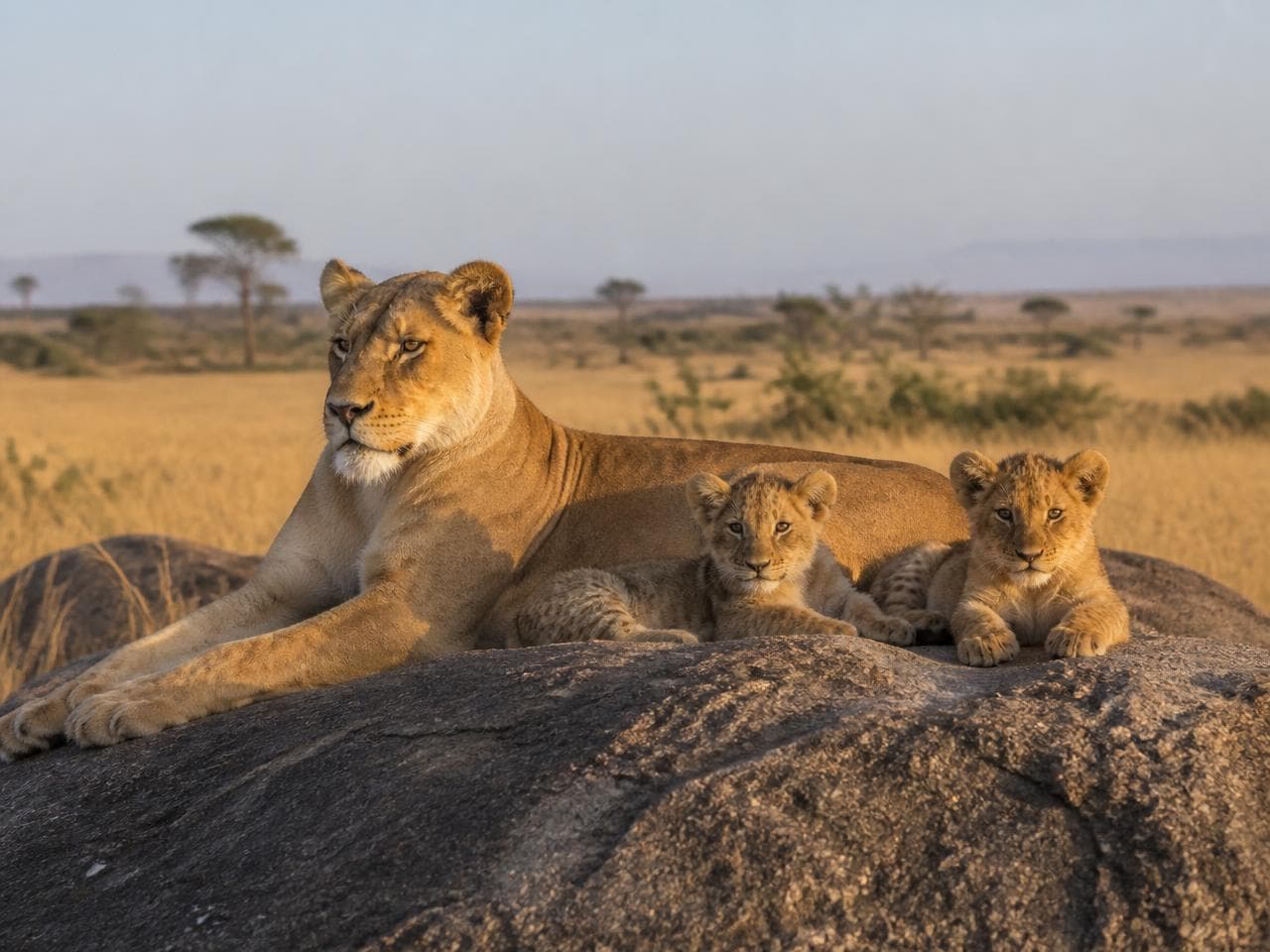
Wildlife here is not evenly spread or static. Wildebeest and zebra follow rainfall in a year-round loop, and the predators that depend on them adjust accordingly. Central Serengeti holds resident lion, leopard and cheetah through every month because permanent water keeps prey nearby; elsewhere, what you see depends heavily on when you come and which region you stay in.
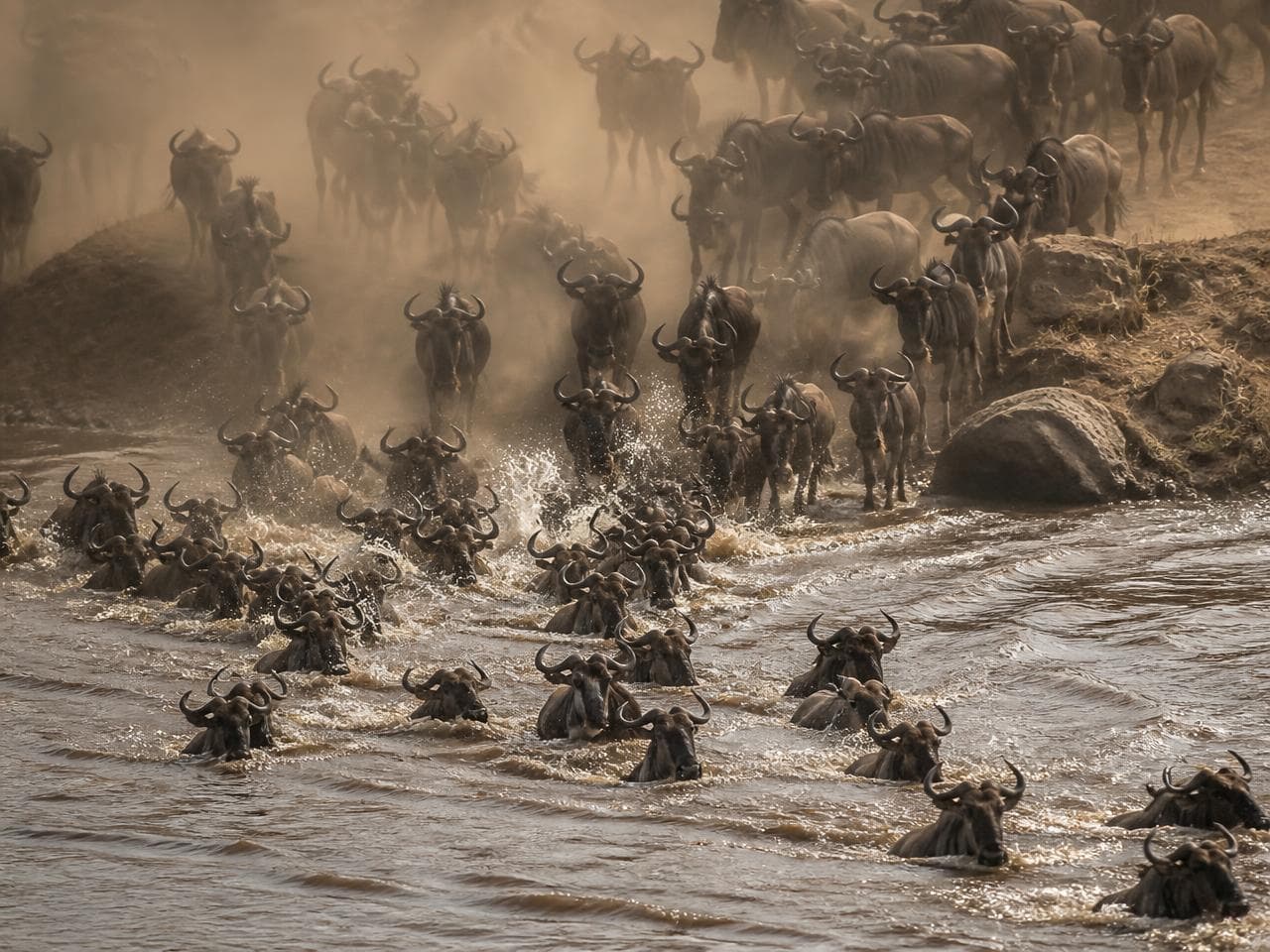
The Great Migration is the reason many travellers book, but it is less a single event than a continuous cycle: calving in the south early in the year, a westward drift through the Grumeti country, the dramatic Mara River crossings of the dry season, then a return south with the short rains. Positioning your camps for the right month matters more than travelling in any one “peak” season.
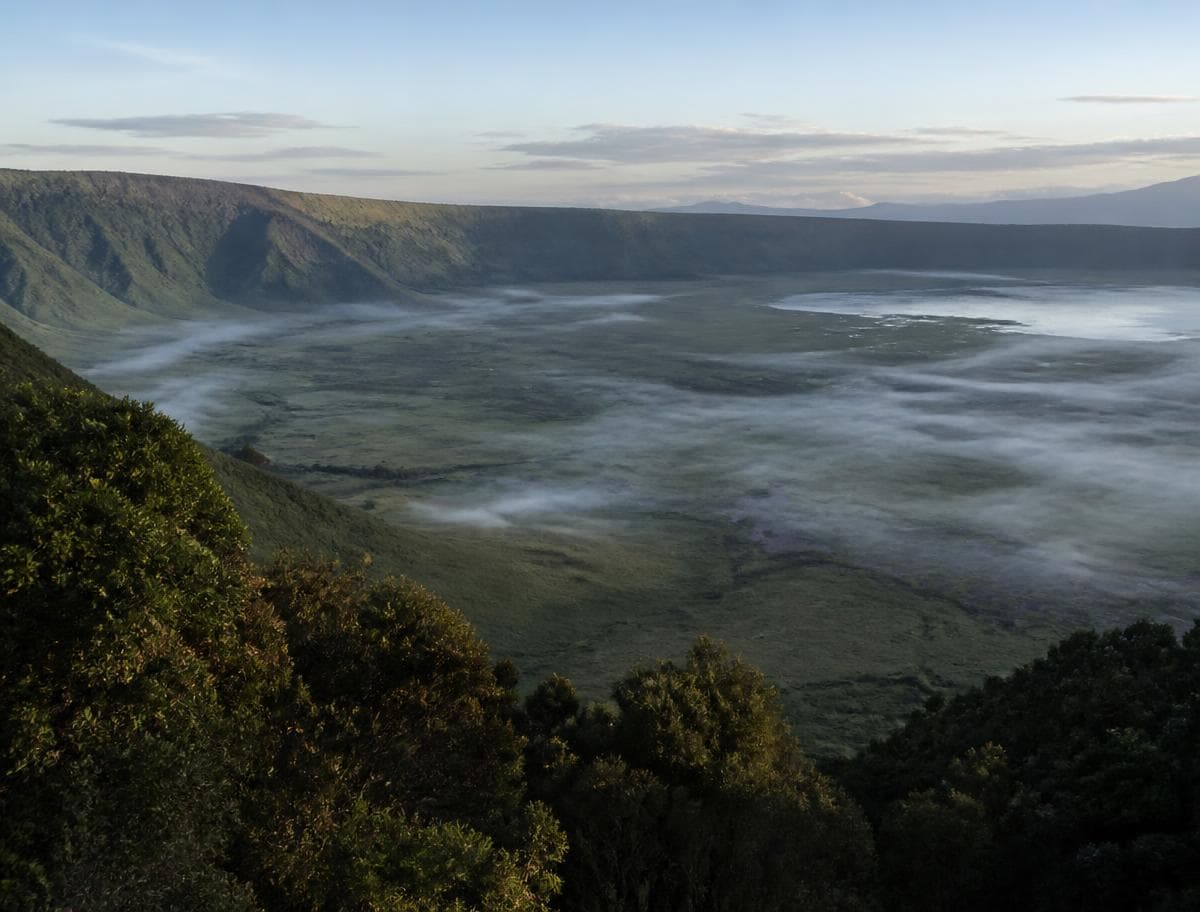
The Serengeti and Kenya’s Maasai Mara are the same ecosystem either side of an international border. The Mara is smaller, more compact and easier to cover in a few days; the Serengeti rewards more time and gives a stronger sense of scale and remoteness. Compared with Ngorongoro, which is enclosed and densely populated with resident animals, or Tarangire with its baobabs and elephants, the Serengeti is the place you go for space and for numbers.