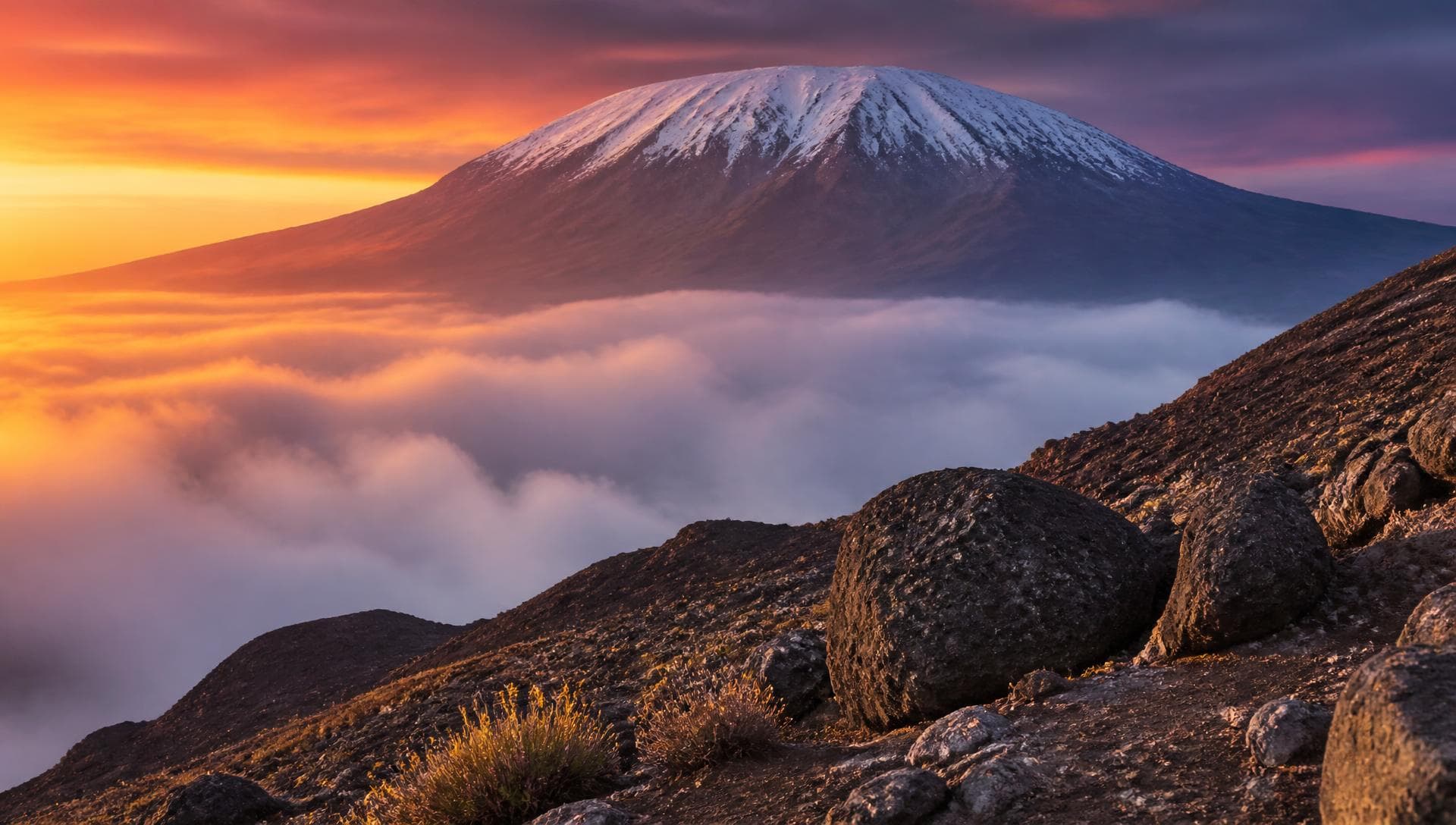
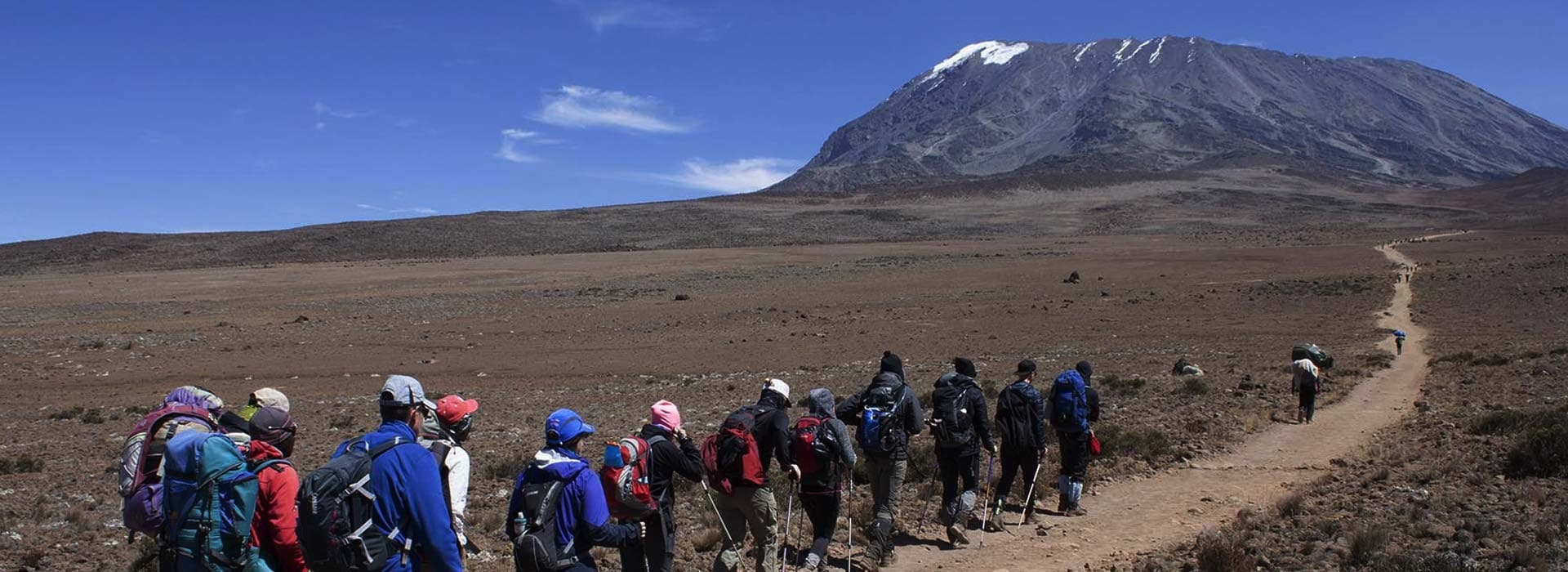
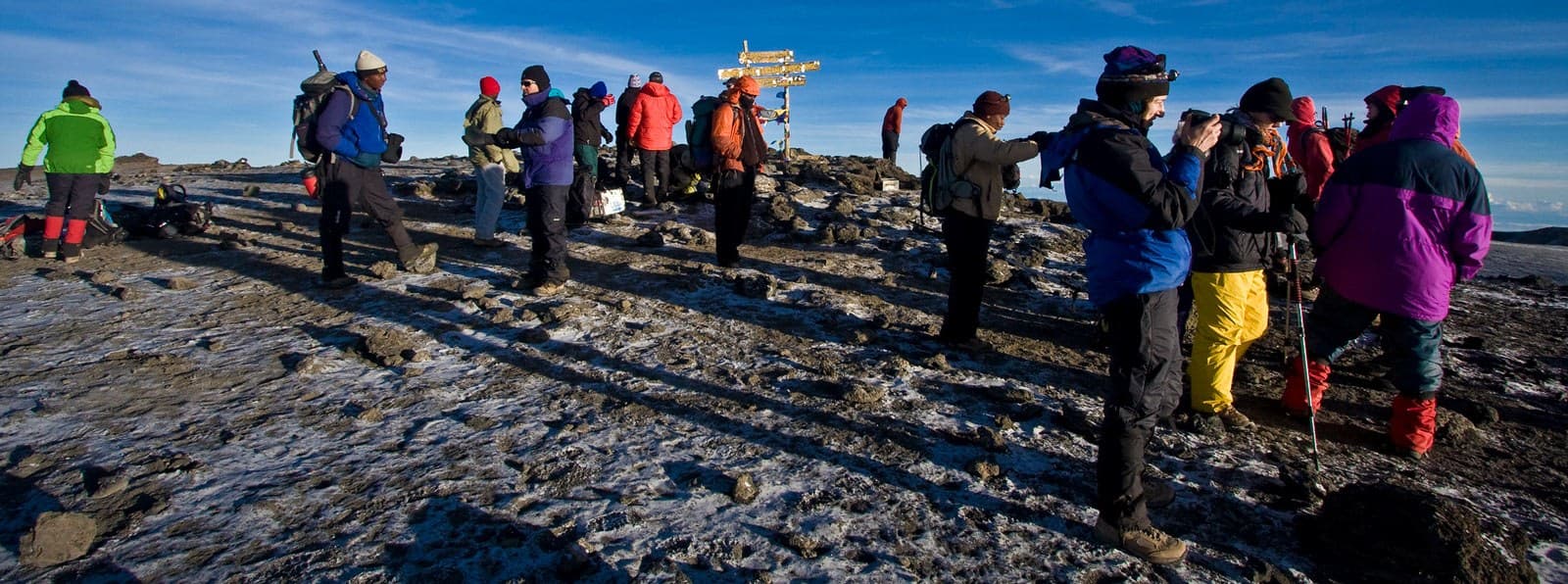
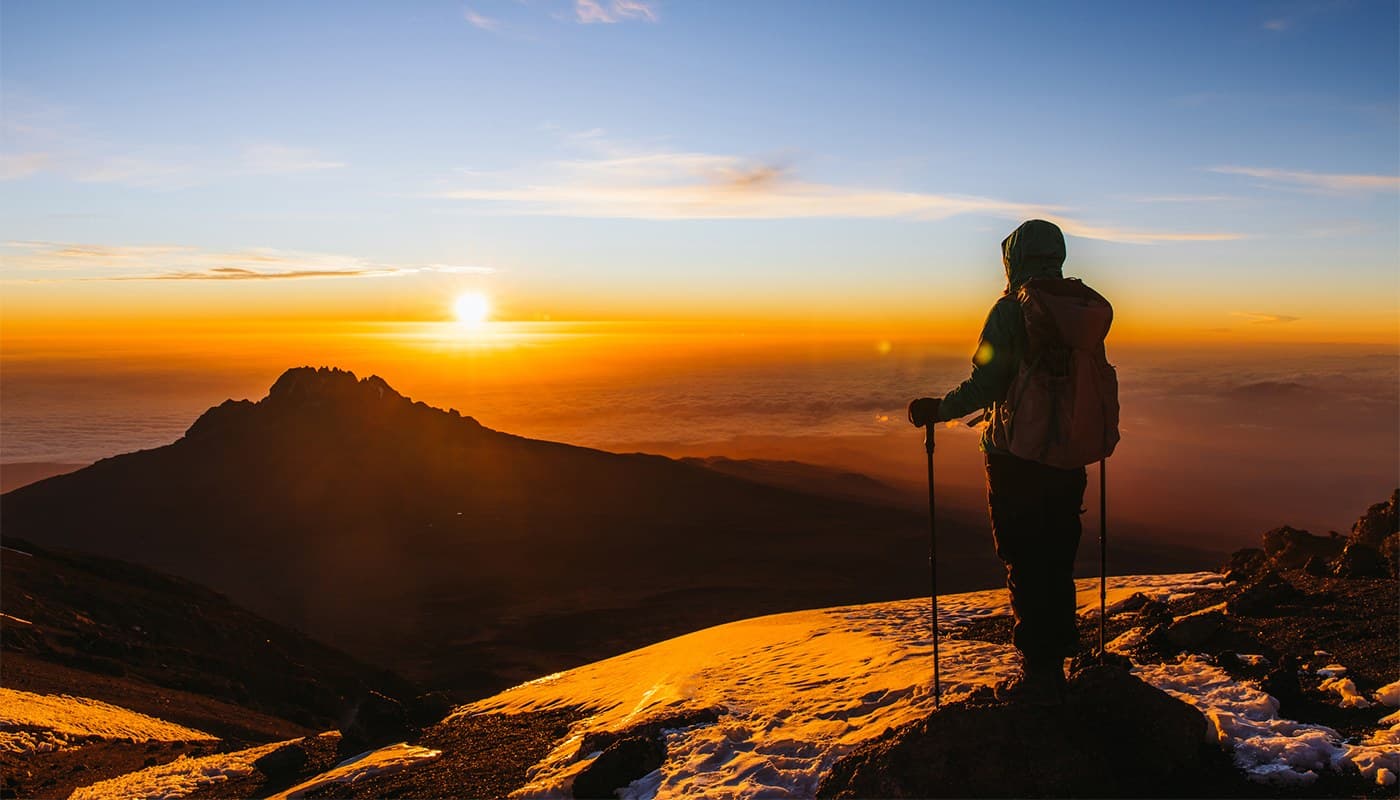
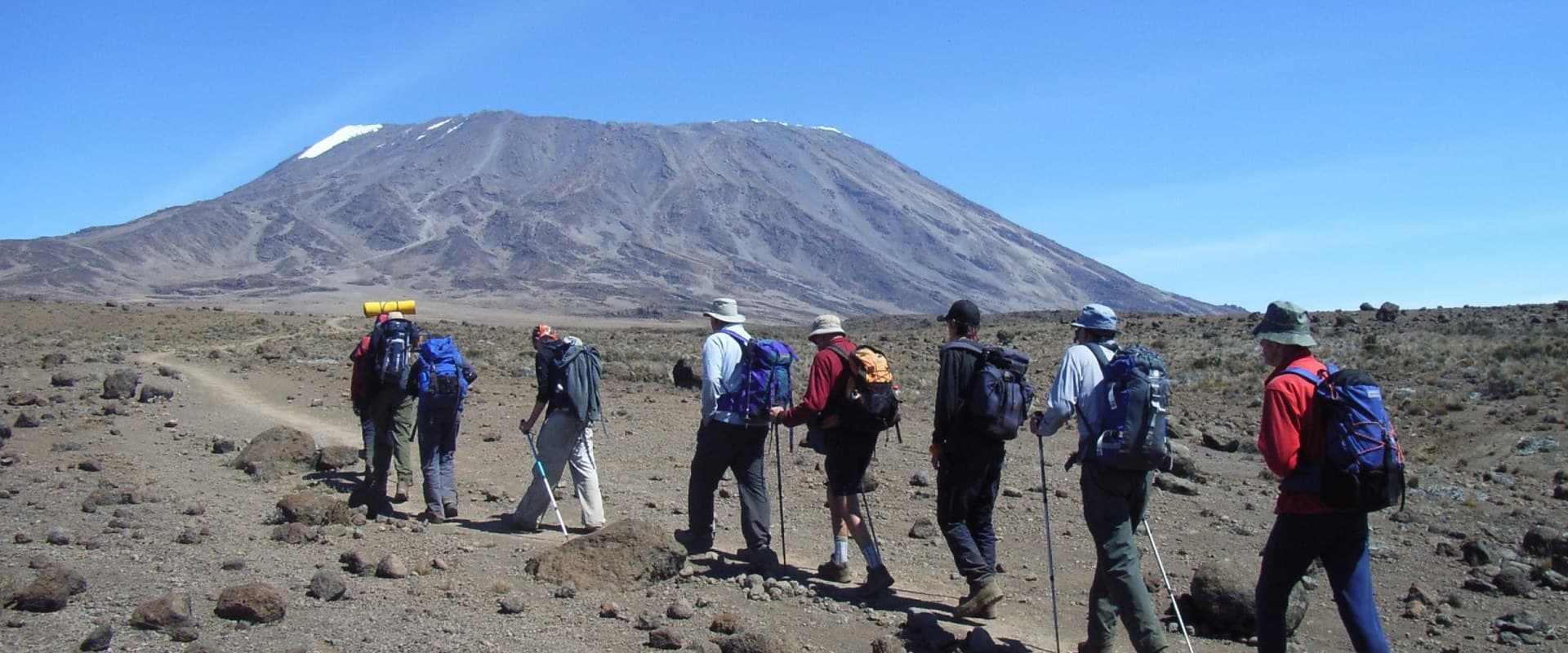
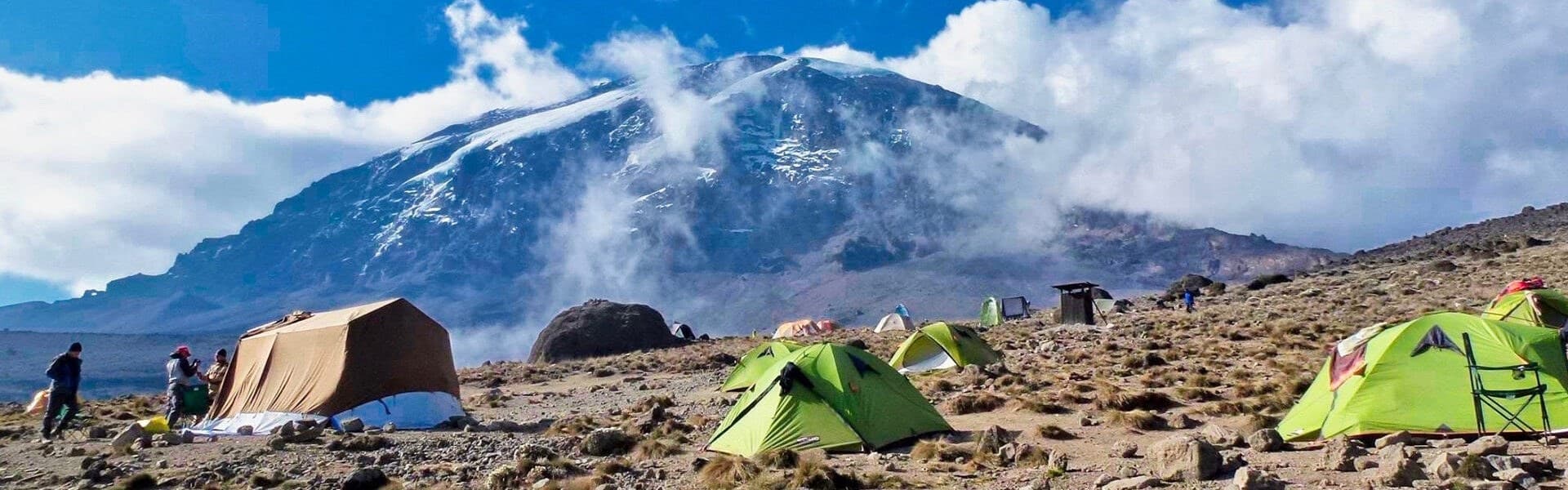
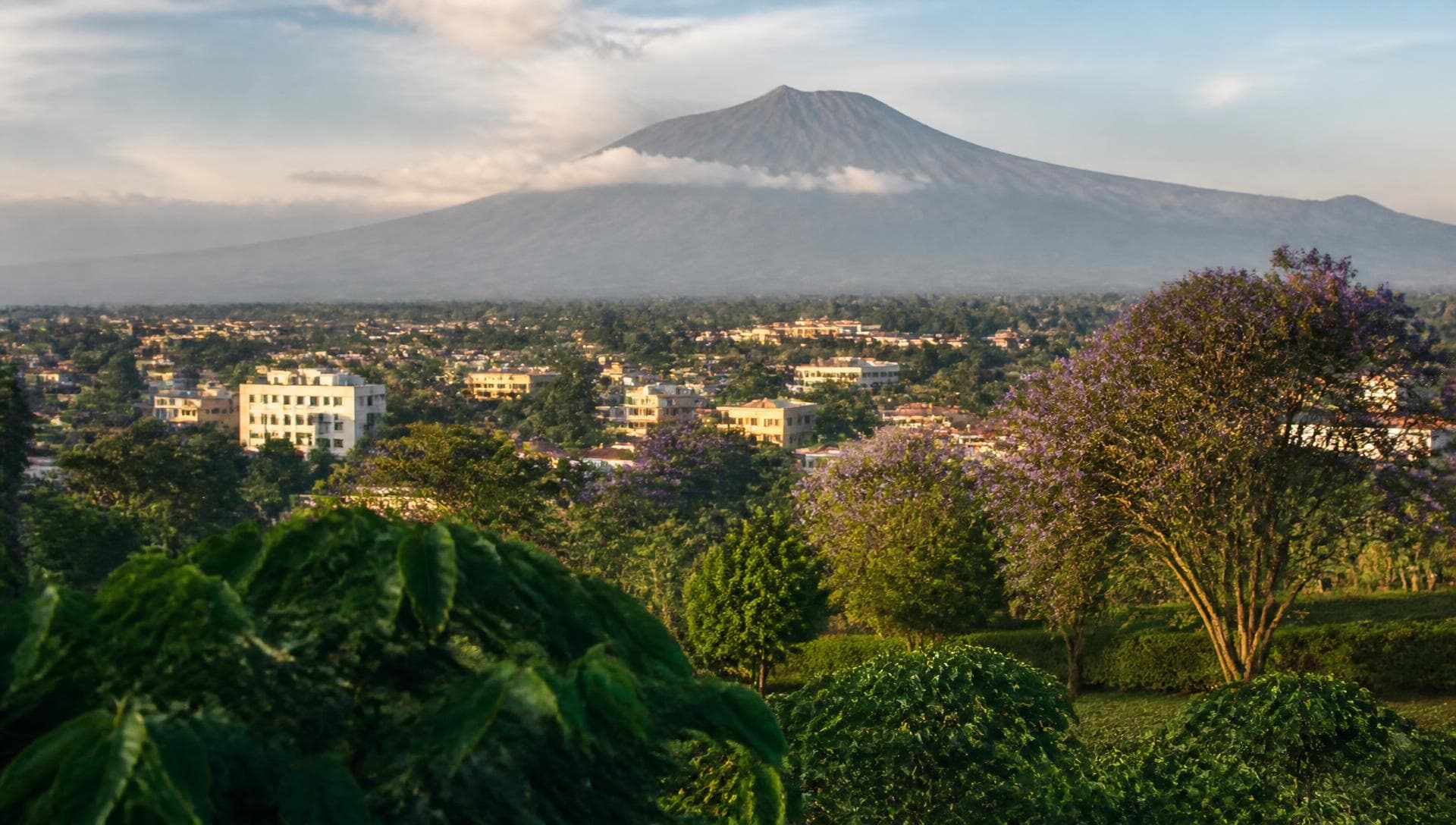
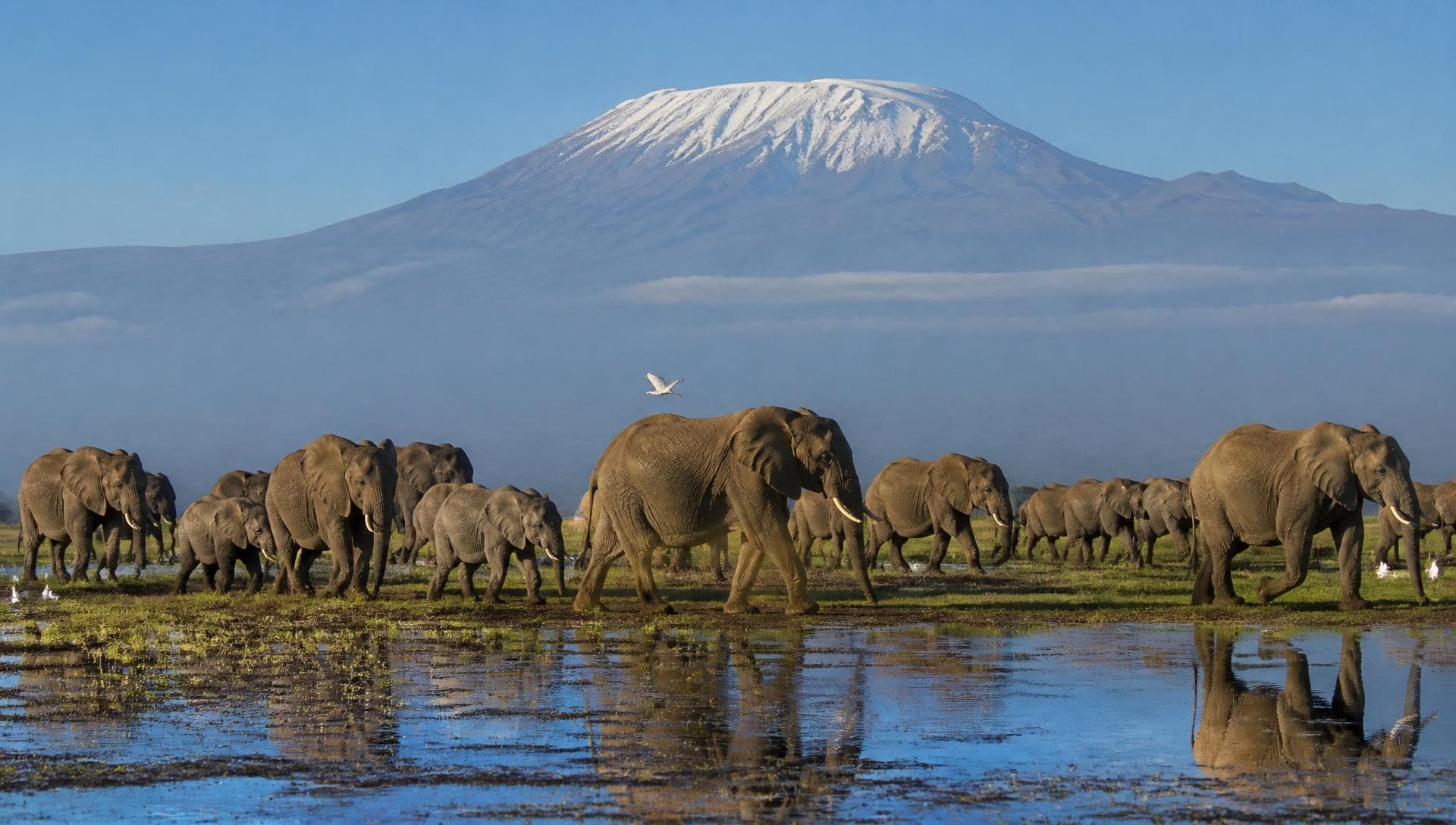
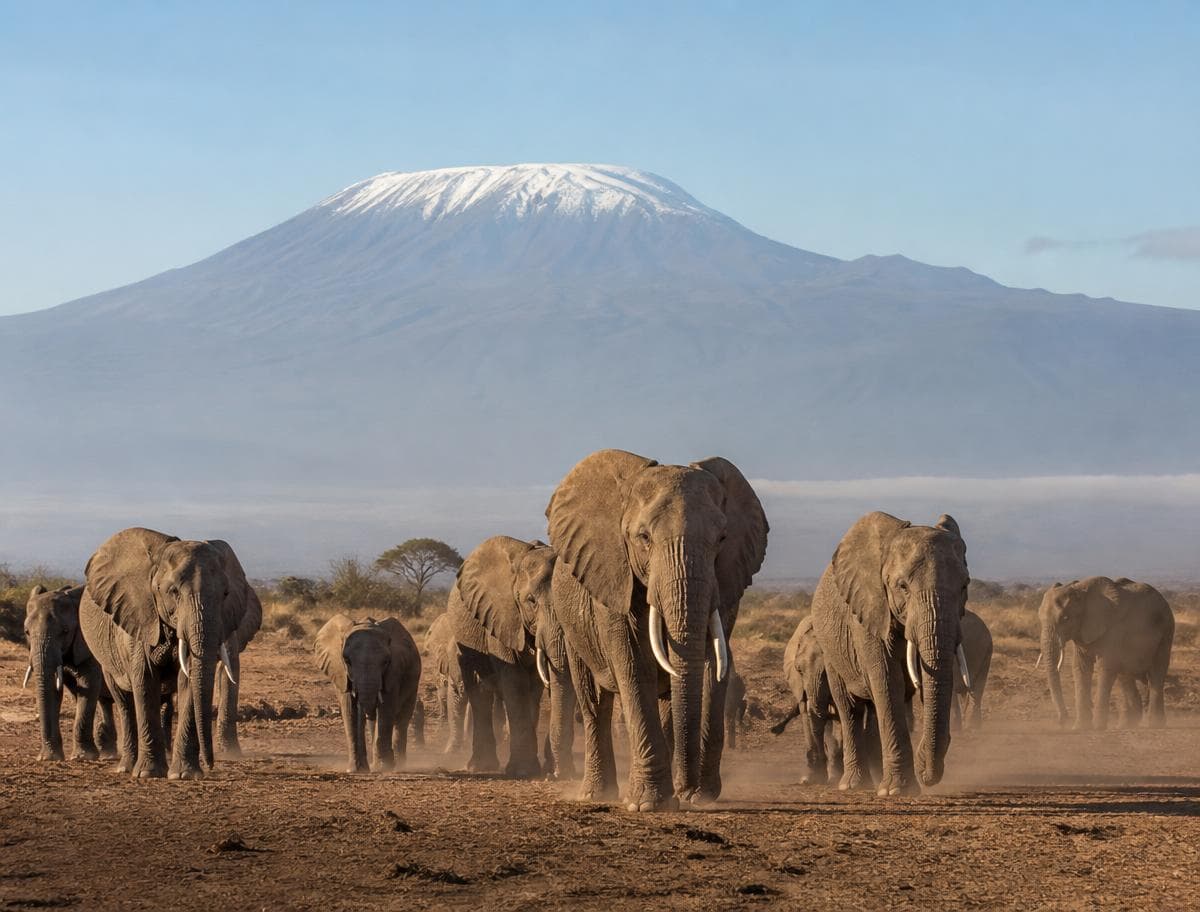
Kilimanjaro is a free-standing volcano rising from farmland at around 900 metres to a glaciated summit at 5,895 metres. No technical climbing is involved on the standard routes: it is a long uphill walk through five distinct climate zones, from cultivated foothills and rainforest to heath, alpine desert and finally ice.
Altitude, not terrain, decides who reaches Uhuru Peak. Success rates rise sharply with the number of nights spent on the mountain, which is why we rarely recommend the shortest itineraries. Seven or eight days on a route with a good acclimatisation profile gives most reasonably fit walkers a strong chance.
Routes differ in scenery, traffic and how well they let you climb high and sleep low. Lemosho and the Northern Circuit are the longest and gentlest; Machame is the most popular compromise; Rongai approaches from the drier northern side; Marangu uses huts rather than tents and, despite its reputation as the easy option, has one of the lower summit rates because it is short.
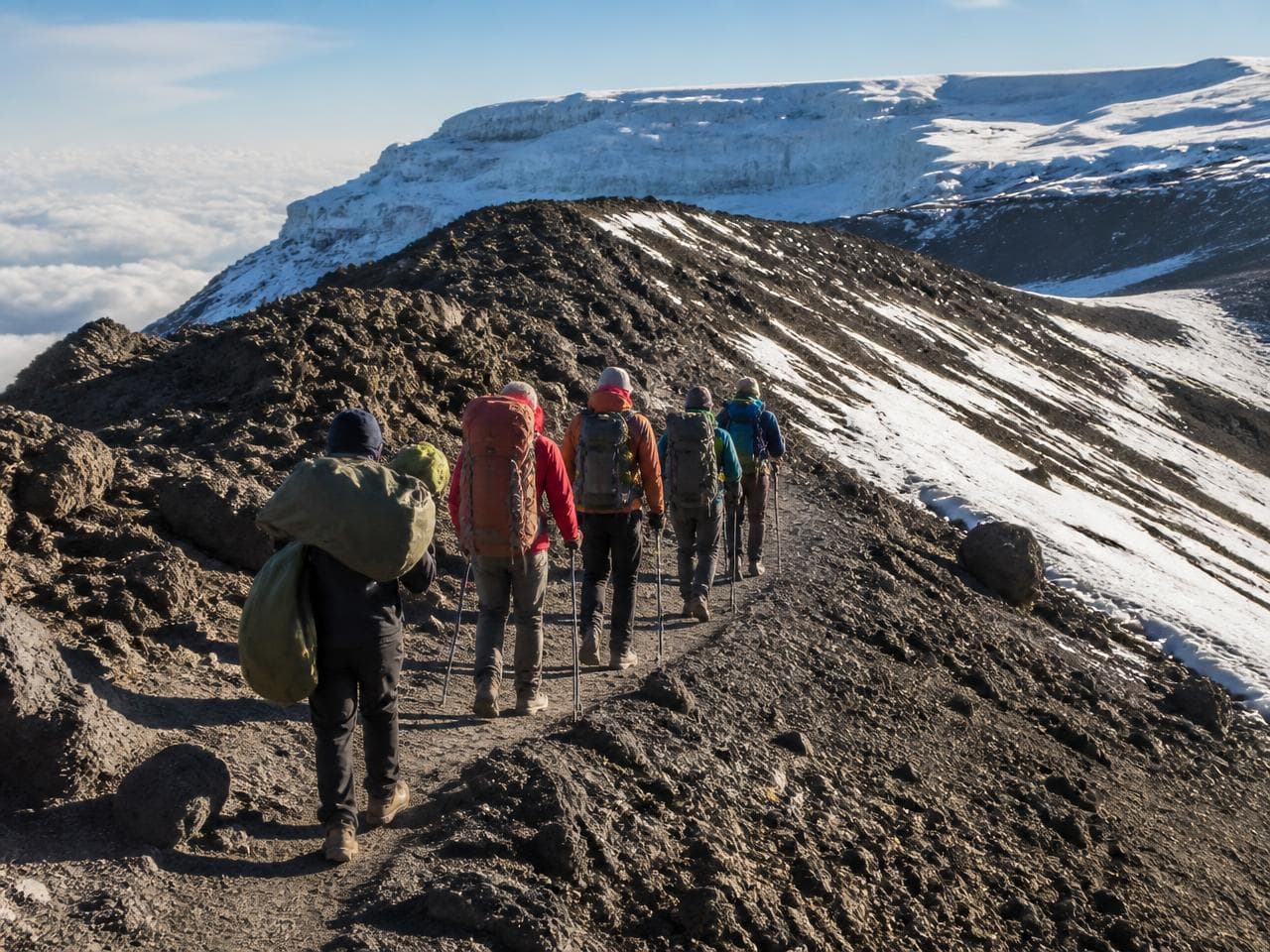
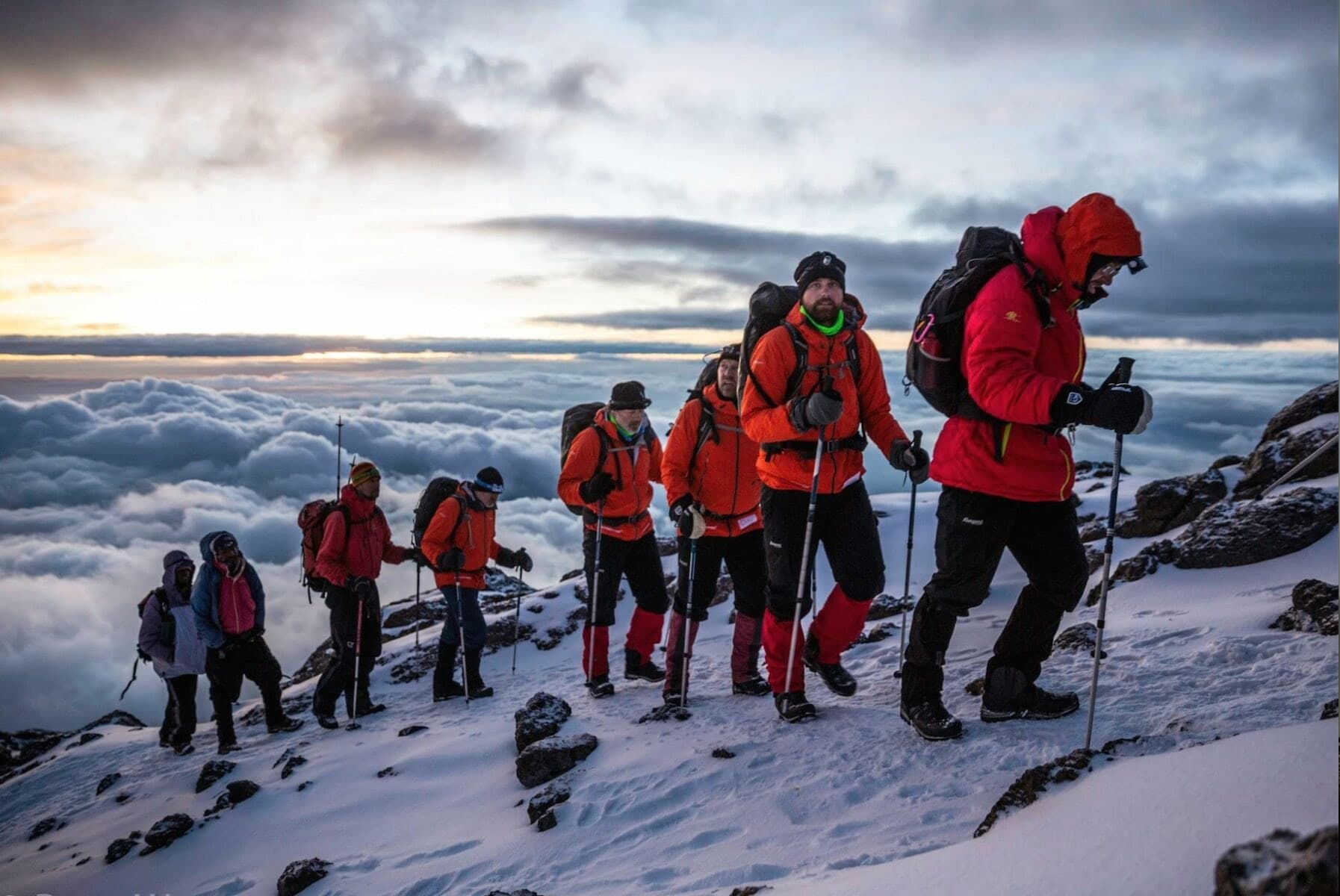
Every climb is supported by a licensed guide team, cooks and porters, and all climbers and crew are registered at park gates. Ethical operation matters here: fair porter loads, proper pay and mountain-appropriate kit for the crew are part of how a climb should be organised, not an optional extra.