Skip to content
Go East Africa Safaris
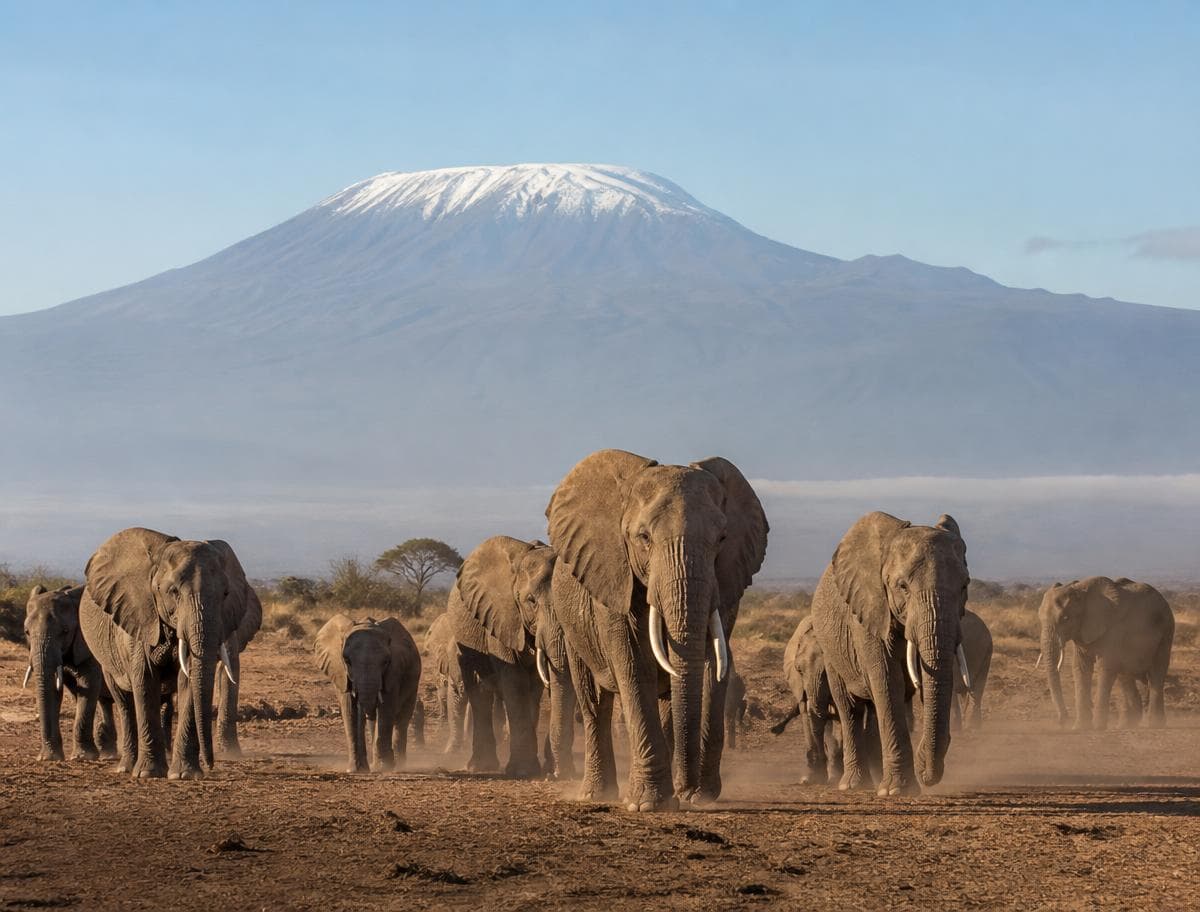
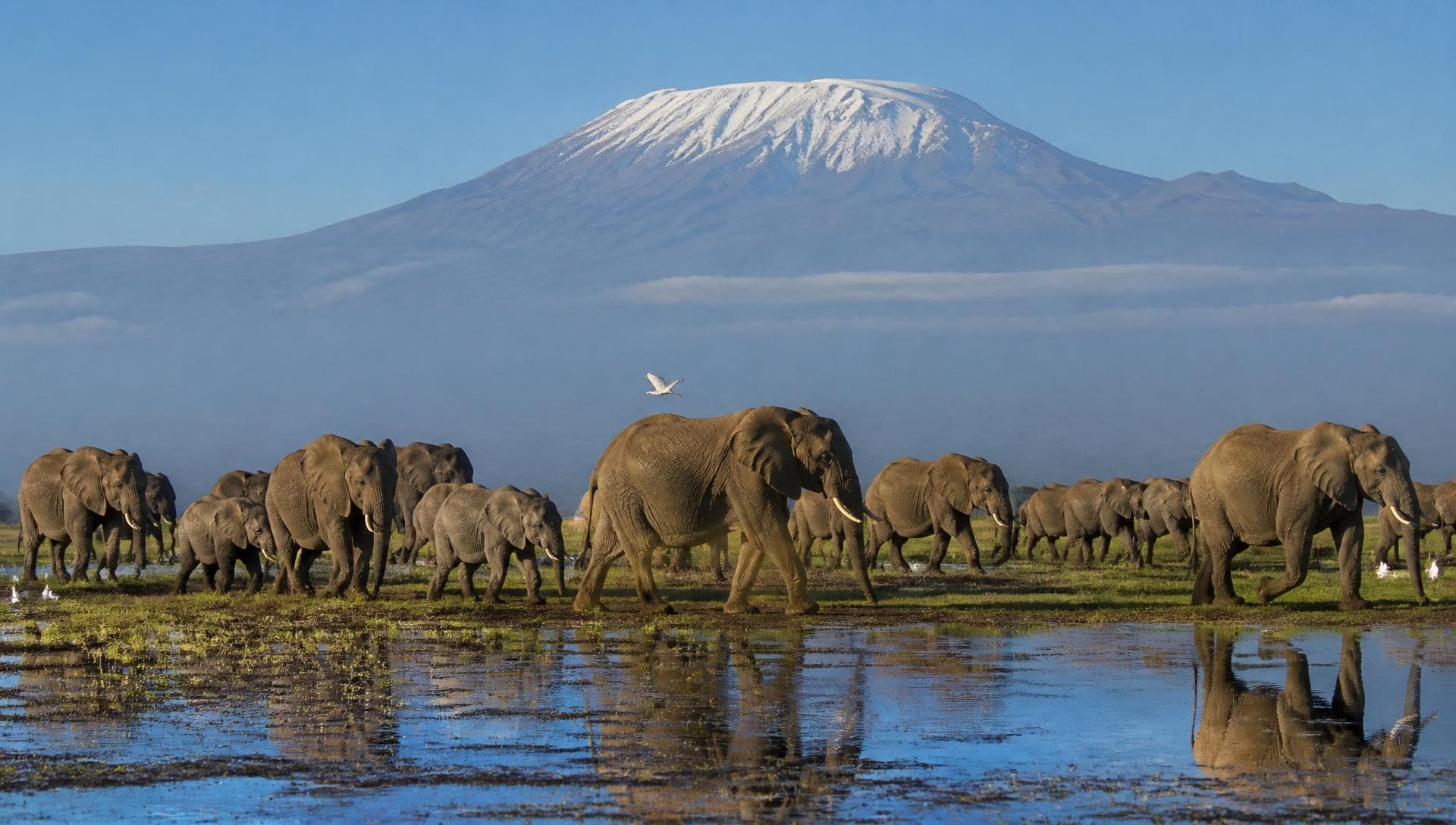
Elephant herd crossing Amboseli wetlands with Mount Kilimanjaro behind

Kenya · Kilimanjaro foothills

Amboseli National Park Safaris

Dust, swamp and a mountain. Amboseli is where East Africa's most photographed elephant families walk out onto open pans with Kilimanjaro filling the sky behind them — a park you visit for one thing, done exceptionally well.

  • Kenya
  • Elephant herds
  • Kilimanjaro views
  • Photography

The destination

Elephants, and a mountain that decides the day.

Amboseli covers roughly 392 square kilometres on the Kenyan side of the border with Tanzania. It is small by Kenyan standards and easy to cover, which is part of its appeal: you can know the park in two or three days rather than sampling it.

Meltwater from Kilimanjaro filters underground and surfaces in the middle of the park as permanent swamps. Those wetlands are why elephants stay here through the dry months, and why you see them wading chest-deep through green sedge while the surrounding pans are bare white dust.

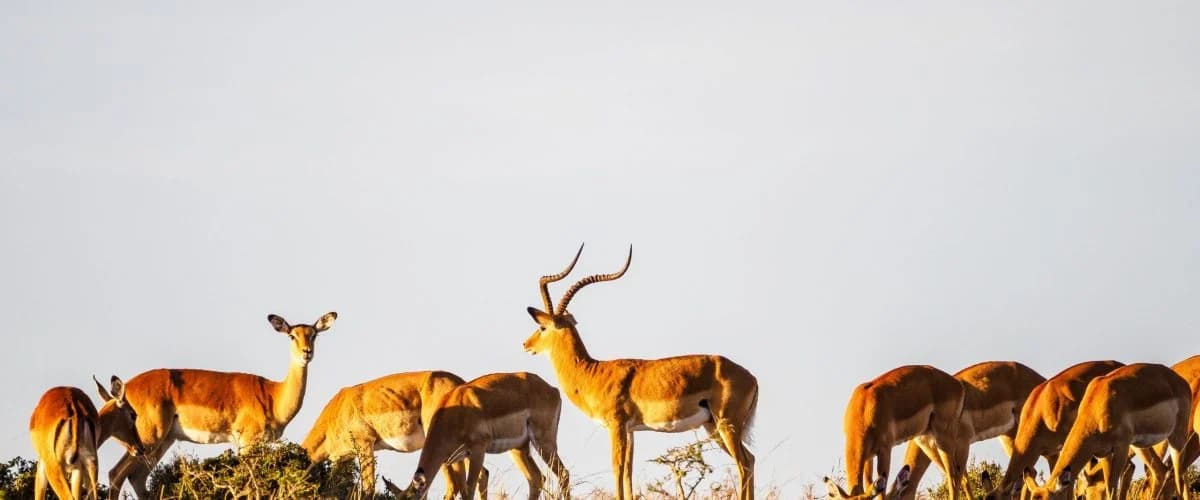
The elephant population has been studied continuously since the 1970s, one of the longest-running wild elephant studies anywhere. Families are known individually, big tuskers still move through, and guides can usually tell you who you are watching. Alongside them: buffalo, zebra, wildebeest, giraffe, spotted hyena and — more sparsely than the Mara — lion and cheetah.

Mountain views are a matter of timing, not luck alone. Kilimanjaro is usually clear soon after sunrise and again late in the afternoon, and clouds build over the middle of the day. Photographers plan around that, and so should anyone hoping for the classic elephants-and-summit frame.

Amboseli at a glance

Quick destination facts

Country
Kenya (Kajiado County, on the Tanzanian border)
Best known for
Large, relaxed elephant herds and Kilimanjaro as a backdrop
Best time to visit
June–October and January–February for clear mountain views and dry-season concentration
Ideal stay
2 to 3 nights, easily combined with the Mara or Tsavo
Wildlife highlights
Elephant, buffalo, giraffe, zebra, wildebeest, hyena, flamingo and over 400 bird species
Closest gateway
Amboseli airstrip by light aircraft from Nairobi Wilson, or four hours by road
Landscape
Dry lake bed, permanent swamps, open pans, acacia woodland and Observation Hill
Pairs well with
Maasai Mara, Nairobi, Tsavo and the Tanzanian northern circuit

Journeys

Safaris featuring Amboseli.

Explore 16 catalogue trips that include Amboseli. Ask us about dates and the best fit for your group.

Safari journeys shown for design purposes.Browse all safaris

Timing

When to visit Amboseli.

Amboseli is a dry-country park. Rain changes the mountain views and spreads wildlife out; dry months concentrate it around the swamps.

  1. Jan – Feb

    Hot, dry and clear

    Some of the most reliable Kilimanjaro views of the year, with elephants moving to the swamps in the heat of the day.

  2. Mar – May

    Long rains

    Green pans, dramatic skies and far fewer vehicles, but the mountain hides for days at a time and dust turns to mud.

  3. Jun – Oct

    Dry season

    The busiest and most reliable period. Wildlife concentrates on permanent water and mornings are usually clear.

  4. Nov – Dec

    Short rains

    Brief afternoon showers, fresh grazing and good value. Bird numbers rise as migrants arrive.

Seasonal guidance only — conditions vary year to year.

Key areas

Where the park comes alive.

Amboseli is compact, but the swamps, pans and hill each give a different kind of day.

  • 01

    Enkongo Narok and Longinye swamps

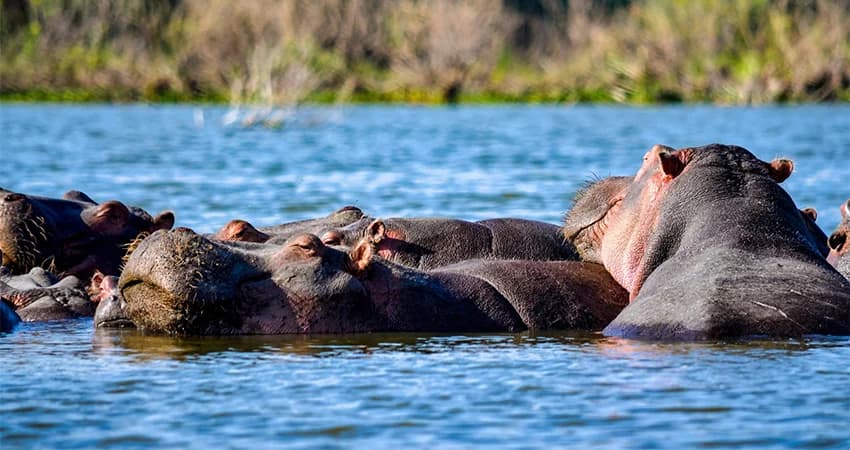
    The permanent wetlands at the park's heart. Elephants wade here through the middle of the day, and hippo, buffalo and waterbirds stay close year-round.

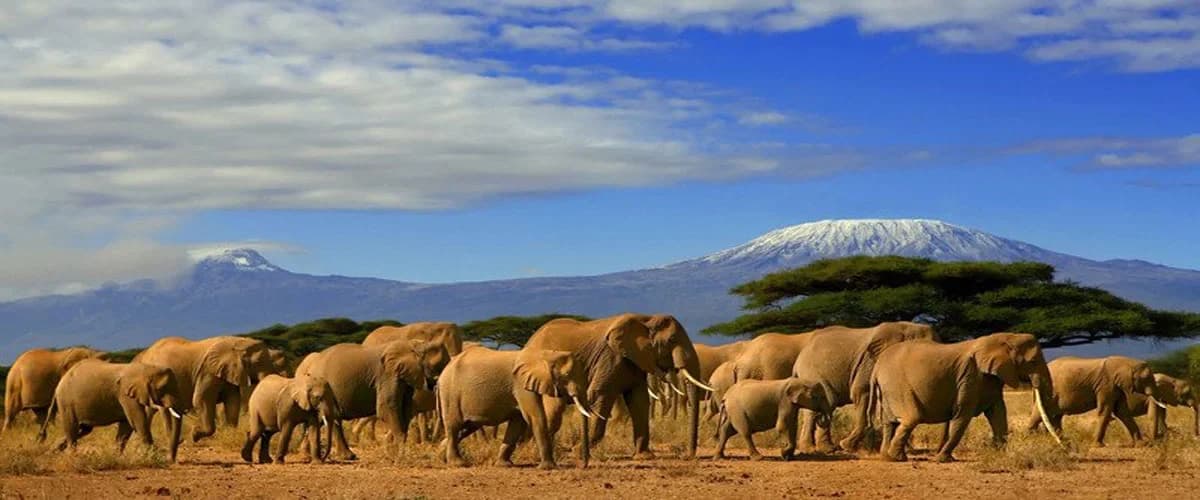
    Elephant herd wading through a marsh with the snow-capped summit of Kilimanjaro behind
  • 02

    Lake Amboseli pans

    A seasonal lake bed that is bare dust for much of the year. Heat shimmer, dust devils and long lines of elephant walking towards water make this the park's most graphic landscape.

    Elephants walking across dusty ground below Kilimanjaro
  • 03

    Observation Hill

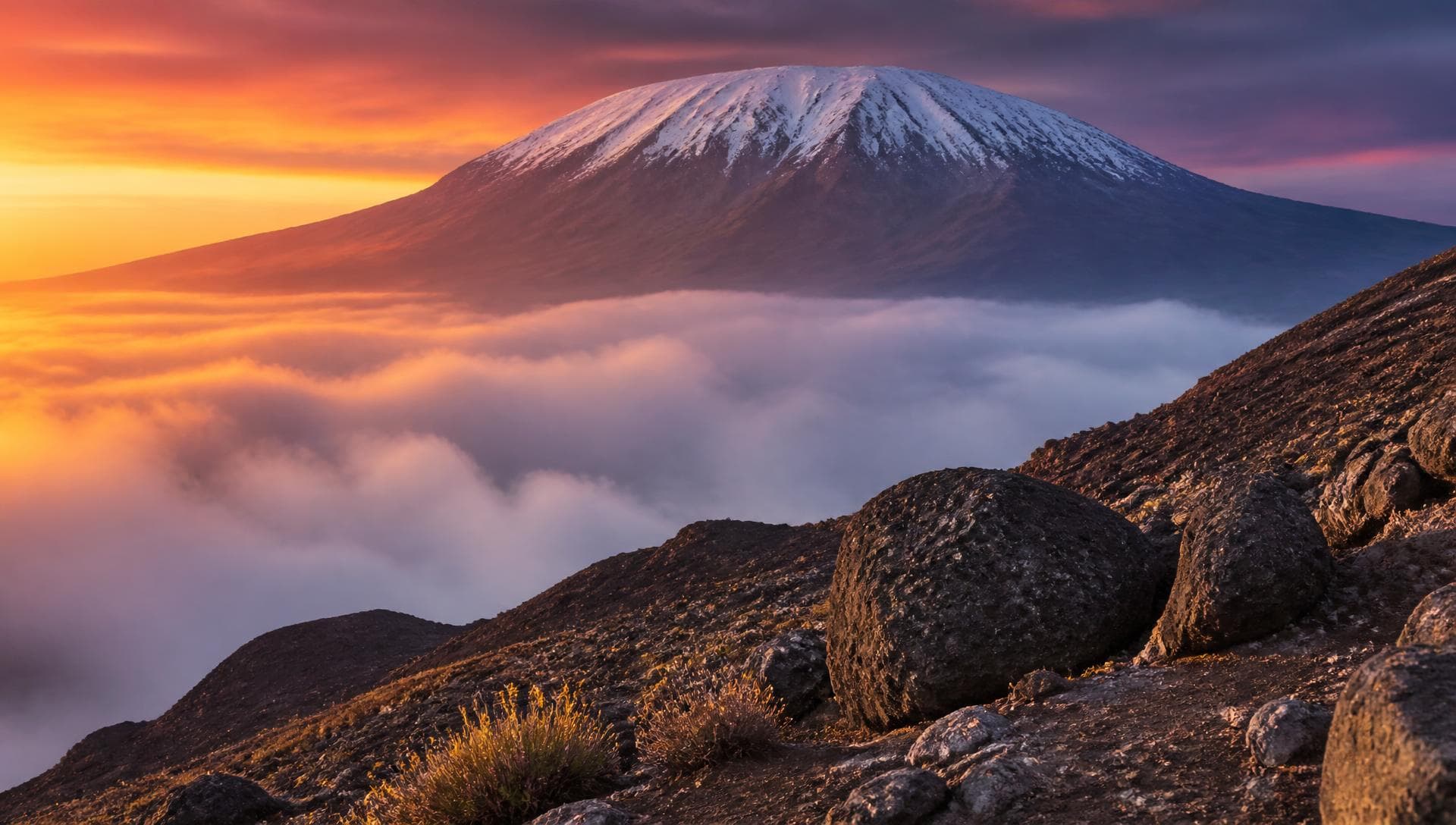
    The one place you are allowed out of the vehicle inside the park. A short climb gives the whole swamp system laid out below and the mountain behind.

    Snow-capped peak of Kilimanjaro rising above a sea of cloud at sunrise
  • 04

    Kitirua and the community conservancies

    Private land on the western and southern edges, where camps can offer night drives, walks and Maasai-guided visits that the park itself does not allow.

    Lodge swimming pool at dusk with Kilimanjaro in the distance

Wildlife and experience

What days in Amboseli look like.

  • Elephant families

    Elephant families

    Multi-generational herds, individually known, crossing open ground at close range.

  • Snow-capped peak of Kilimanjaro rising above a sea of cloud at sunrise

    Kilimanjaro at first light

    The summit clear for an hour or two after sunrise before cloud builds.

  • Swamp game viewing

    Swamp game viewing

    Hippo, buffalo and waterbirds packed around permanent green in a dry landscape.

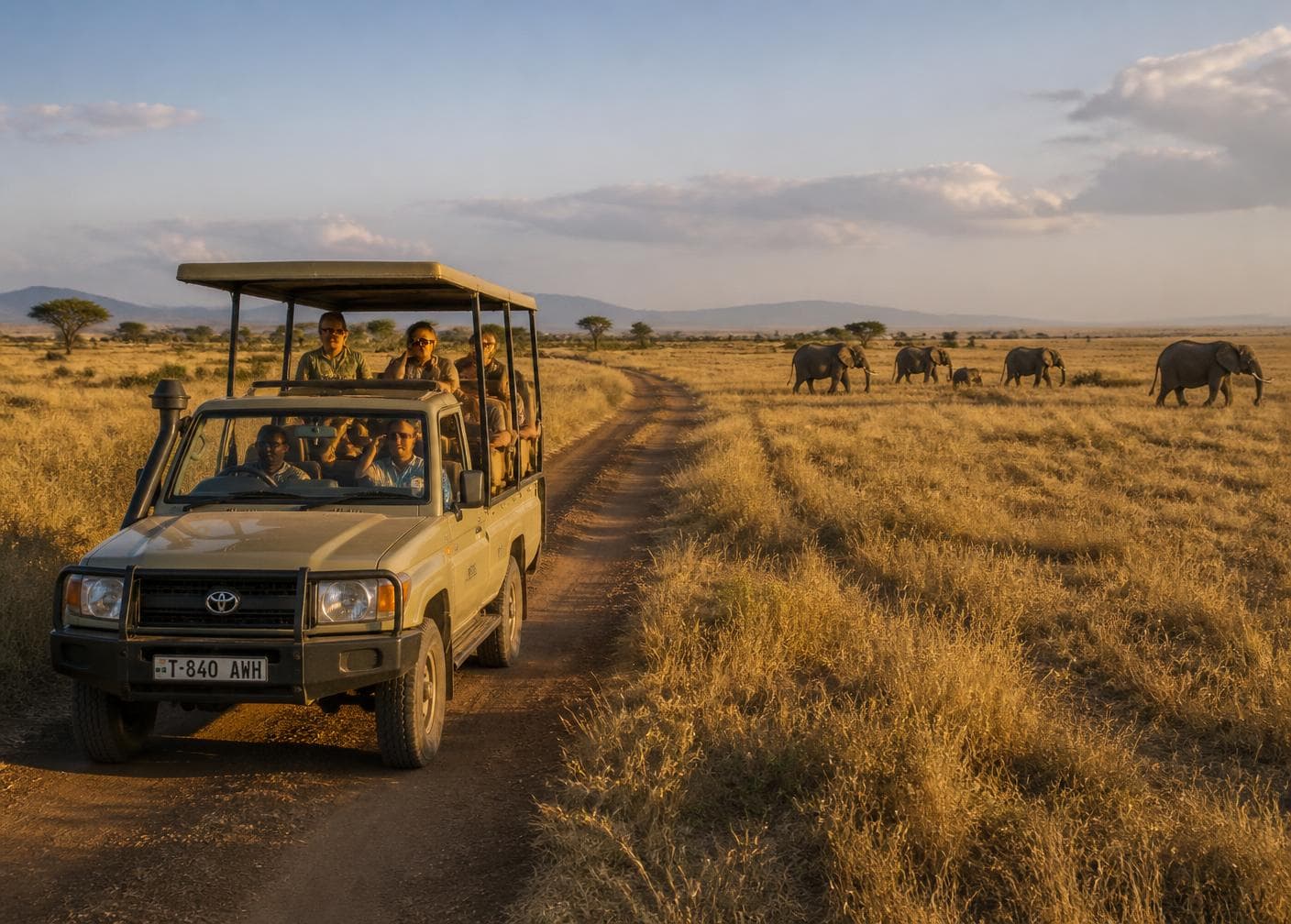
  • Open-sided 4x4 Land Cruiser on a dirt track through dry grassland

    Photography

    Low angles, dust, backlight and a mountain that does most of the composition for you.

  • Elephants walking across dusty ground below Kilimanjaro

    Maasai community visits

    Arranged with conservancy neighbours rather than staged for vehicles.

  • Enamel coffee pot, cups and fruit laid out for a bush breakfast in the grass

    Sundowners on the pans

    A drink set out on the dry lake bed as the light goes orange.

Before you travel

Amboseli questions, answered.

Plan your Amboseli safari

Plan your Amboseli safari.

Tell us your travel dates and what you want to photograph or see, and we'll shape the camps, timing and route around it.

WhatsApp