Nairobi is not a park with a city attached, and it is not only a place to change planes. It is East Africa's business capital — a city of some five million people with a strong restaurant scene, galleries, markets and a conservation community that has shaped wildlife policy across the region.
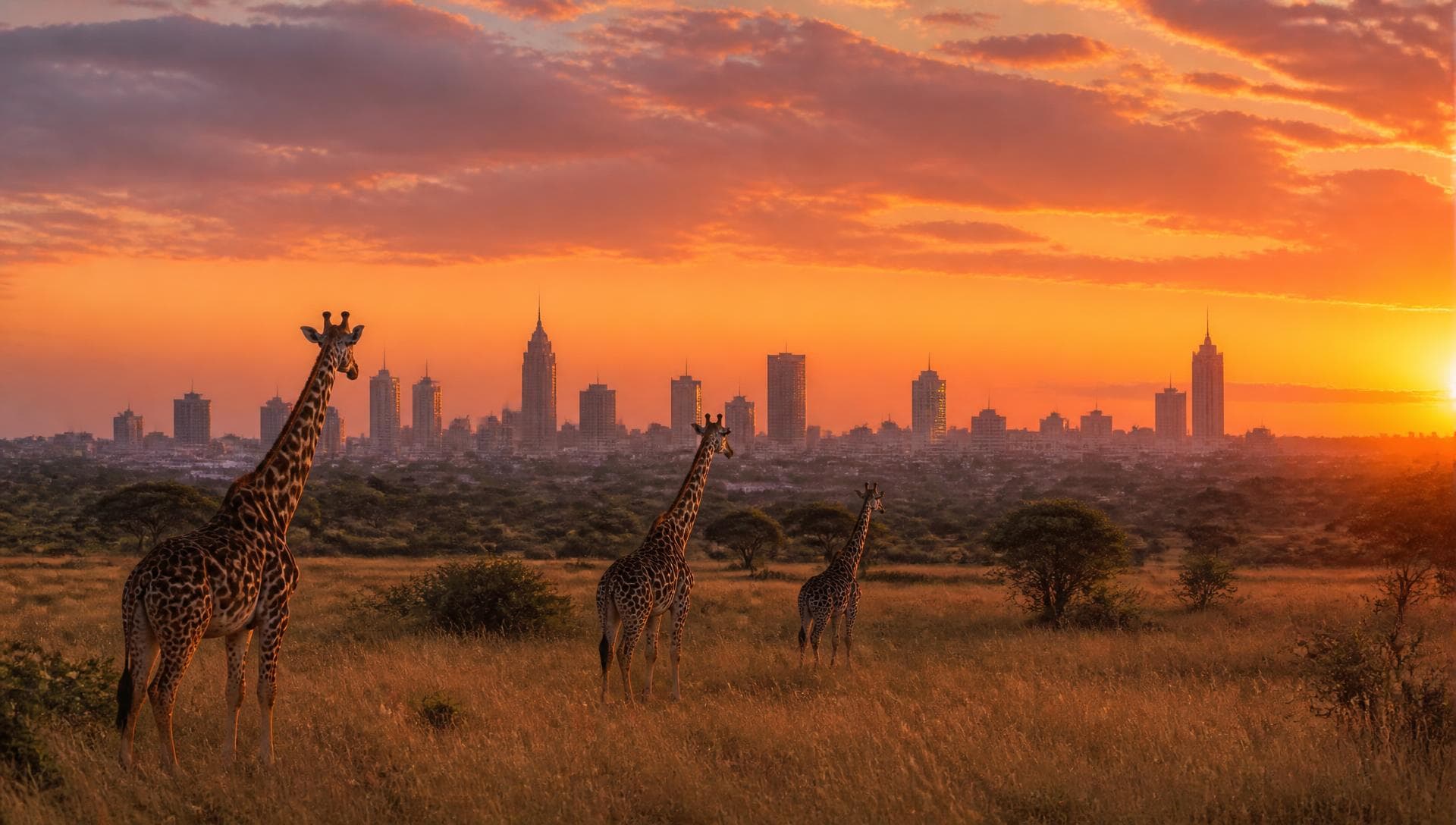
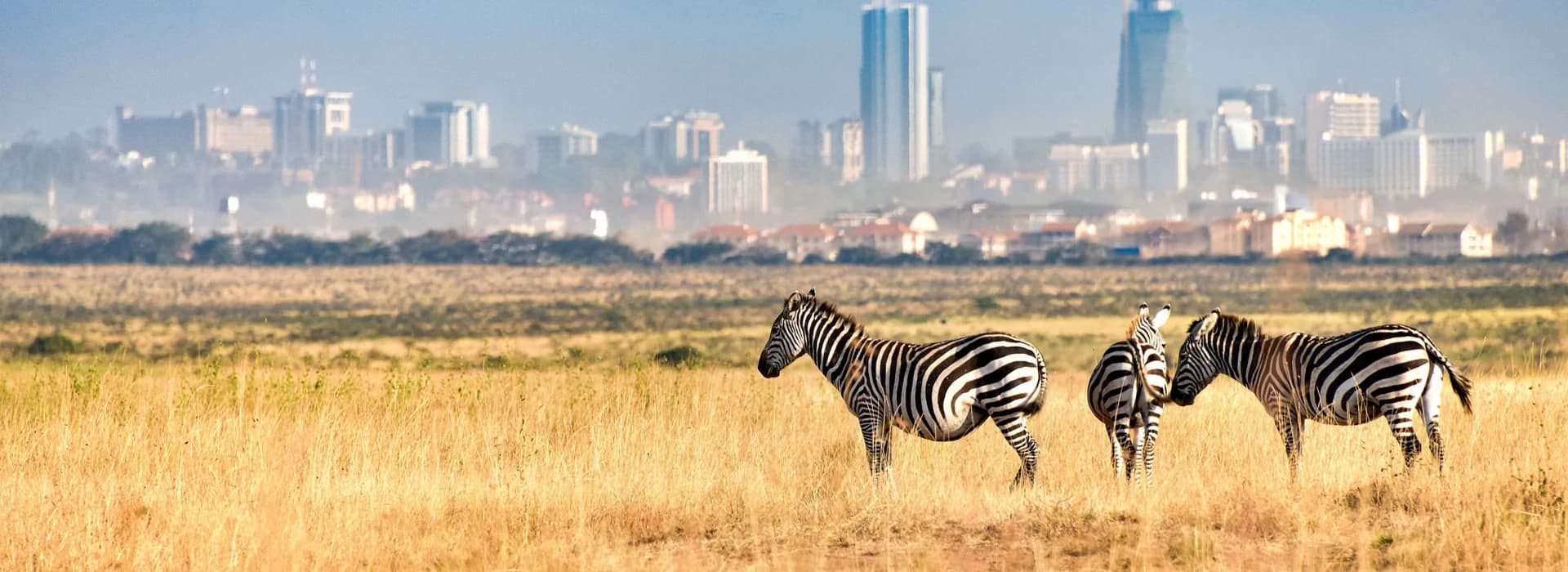
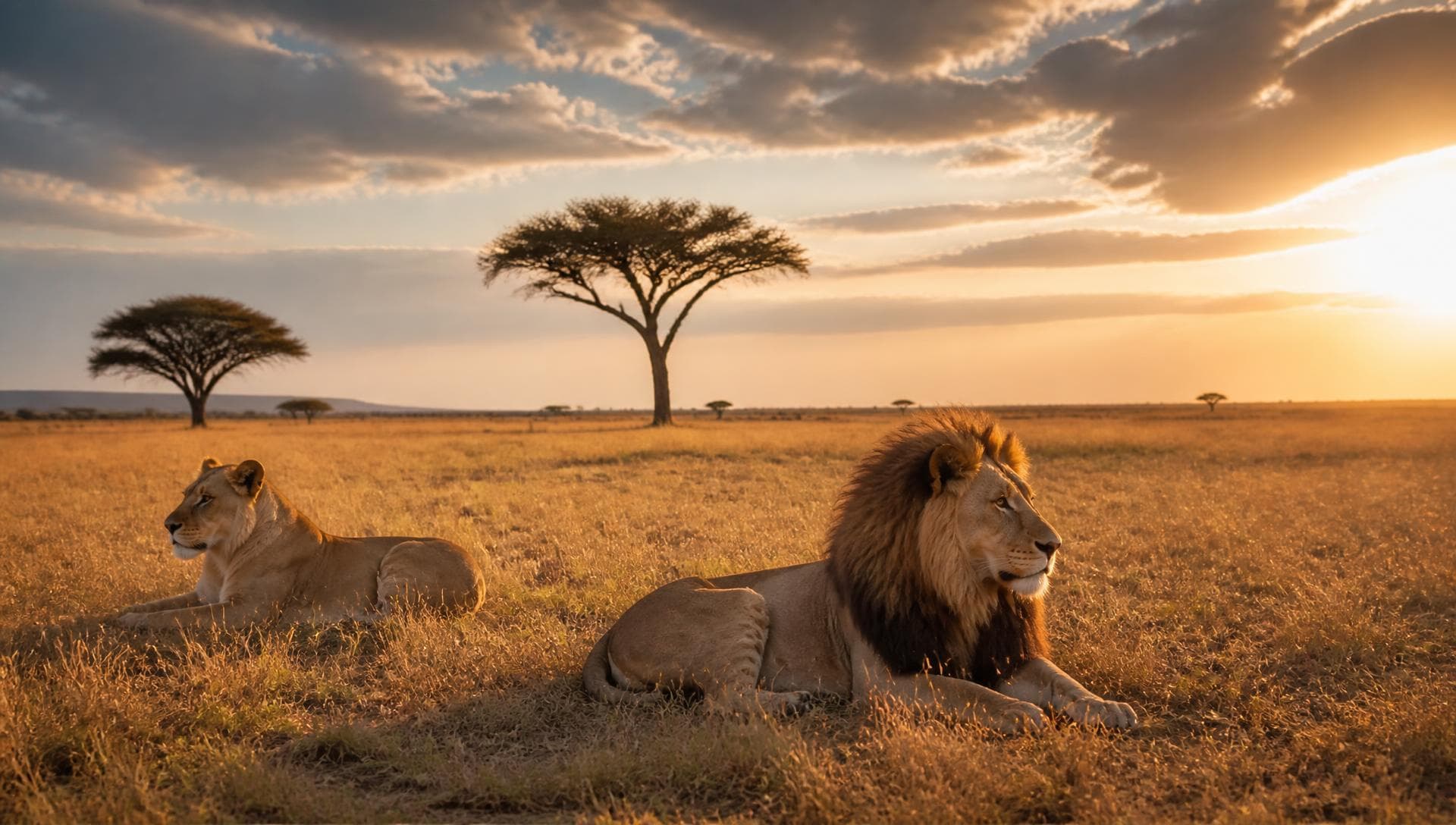
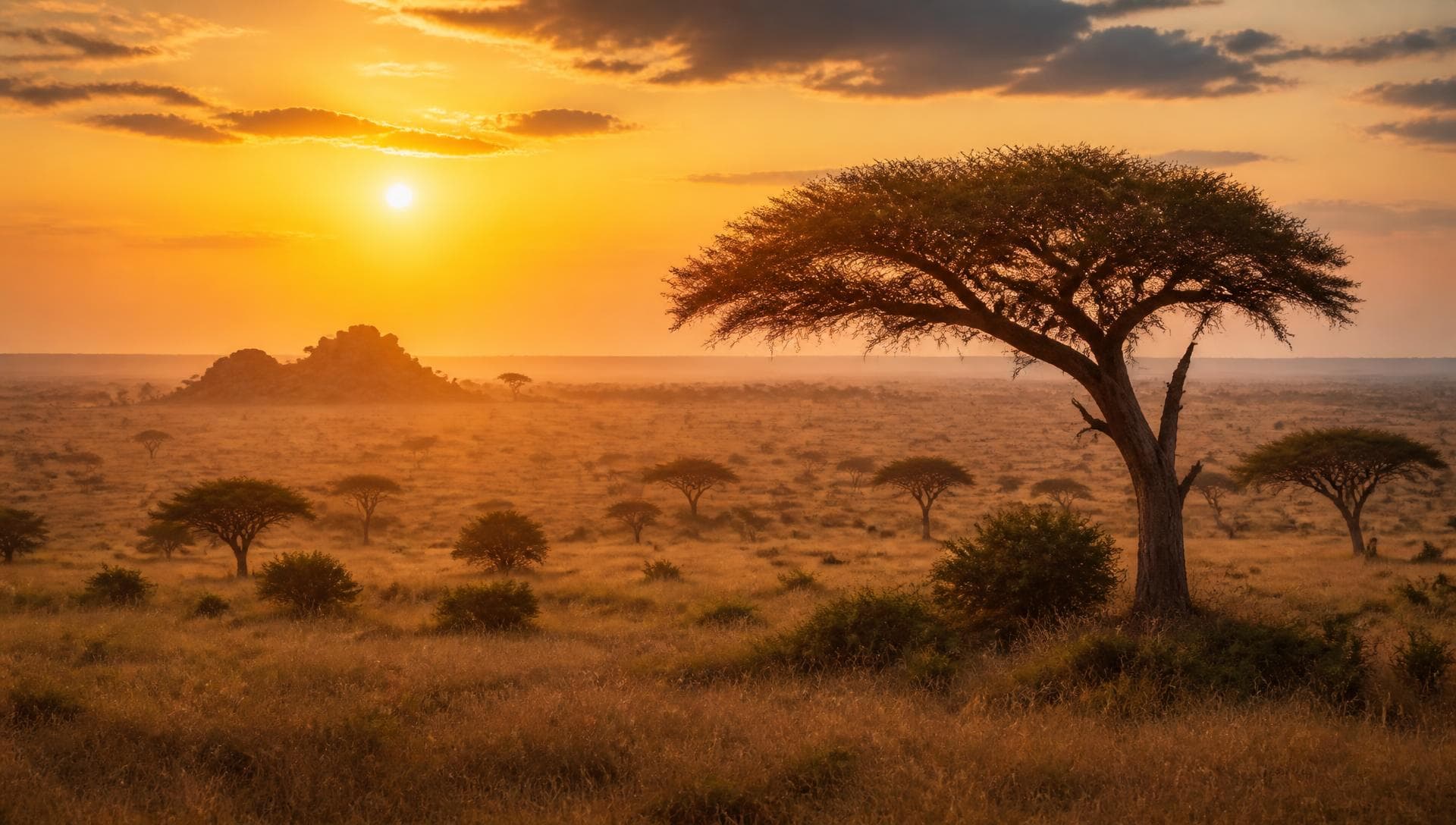
What makes it unusual is Nairobi National Park: 117 square kilometres of open grassland on the southern edge of town, fenced on three sides and open to the Athi plains on the fourth. Black and white rhino, lion, buffalo, giraffe and cheetah live within sight of the skyline. An early morning drive there before an afternoon flight is one of the most efficient half-days in African travel.
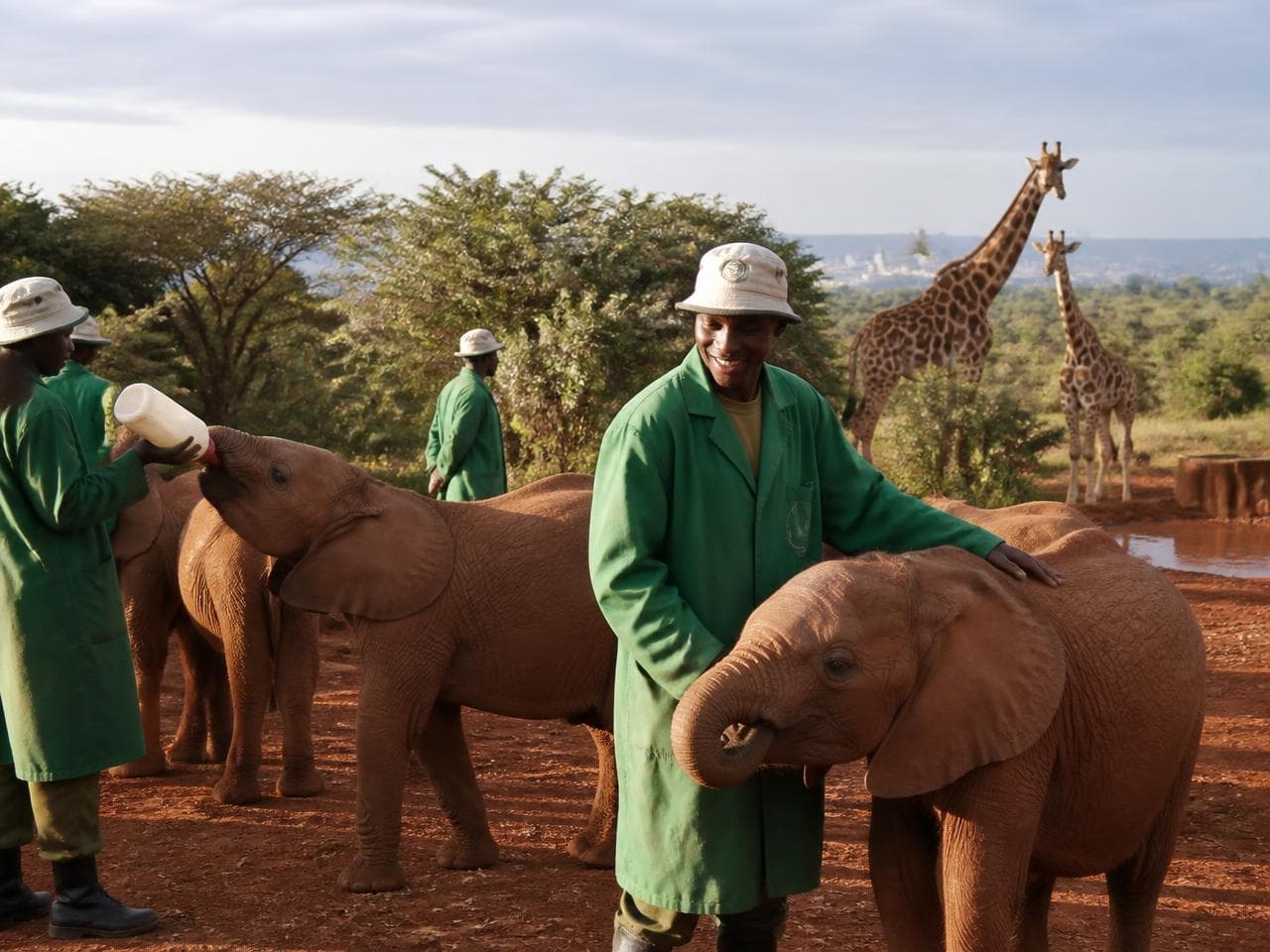
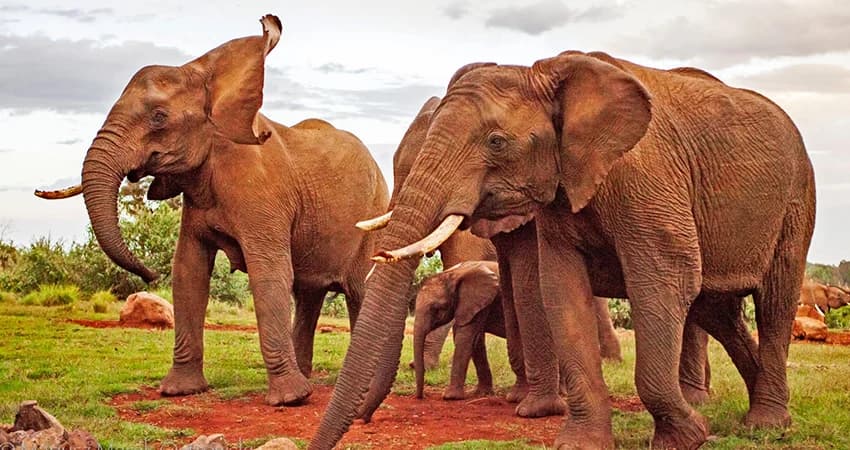
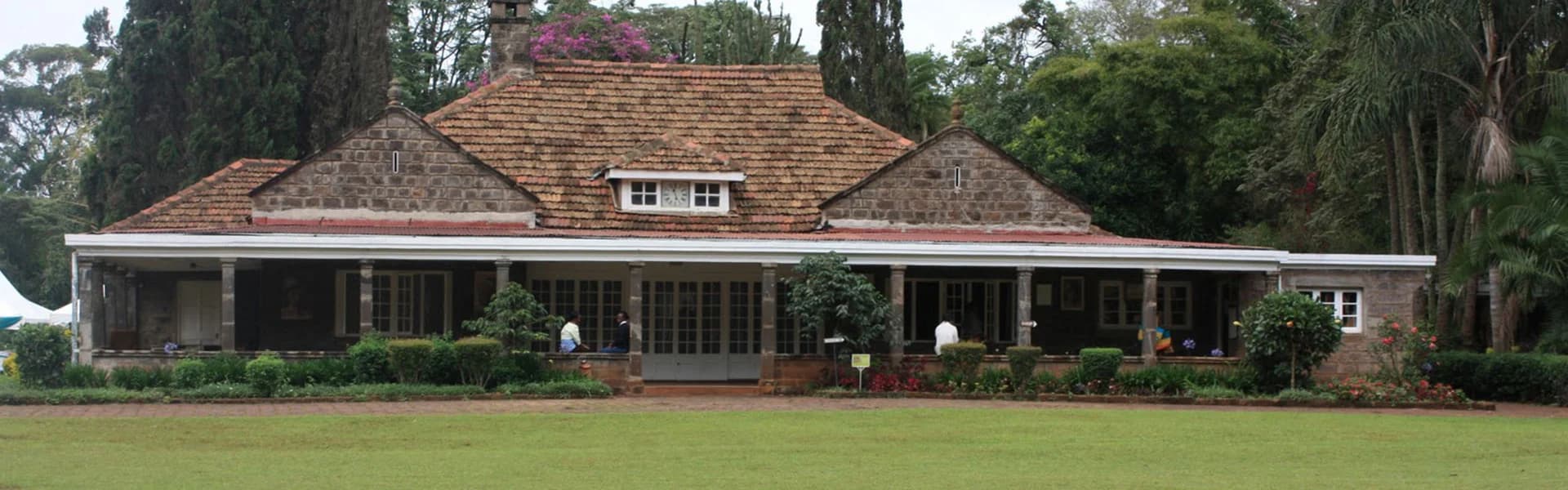
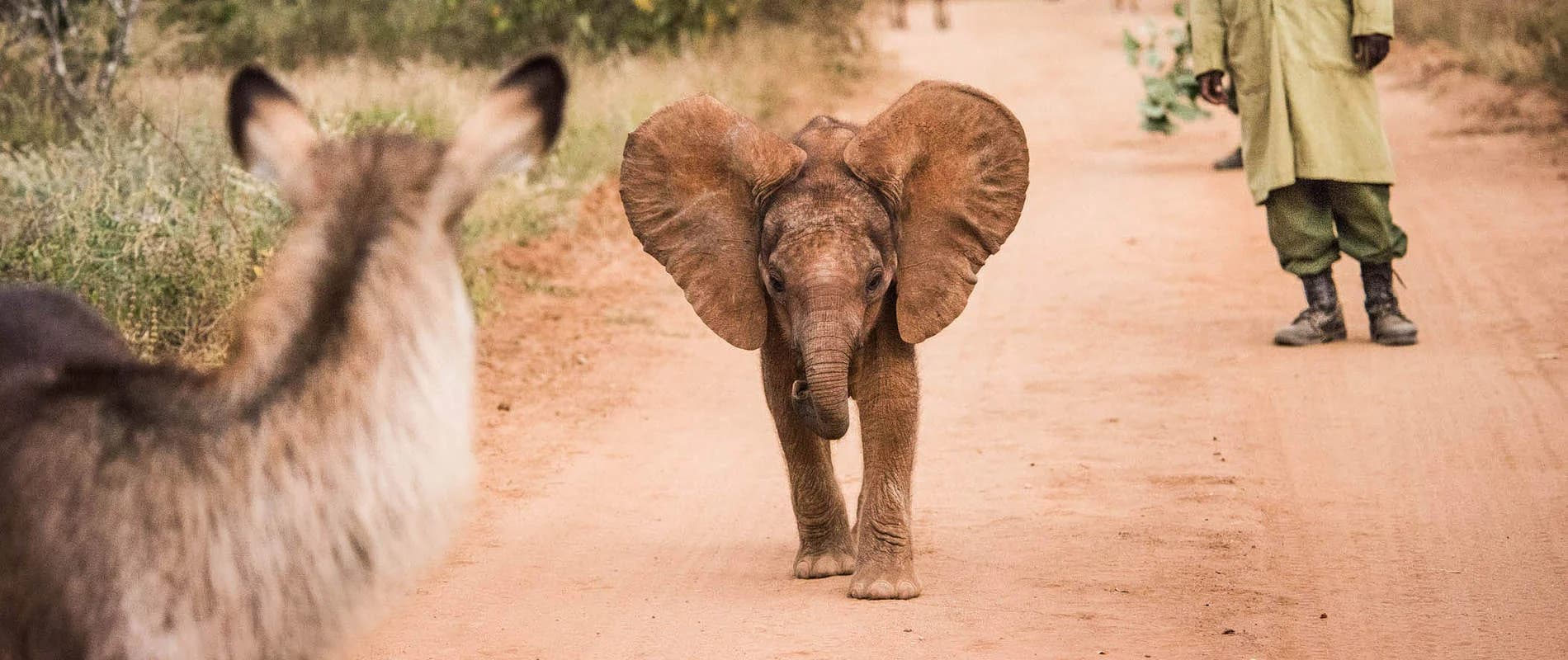
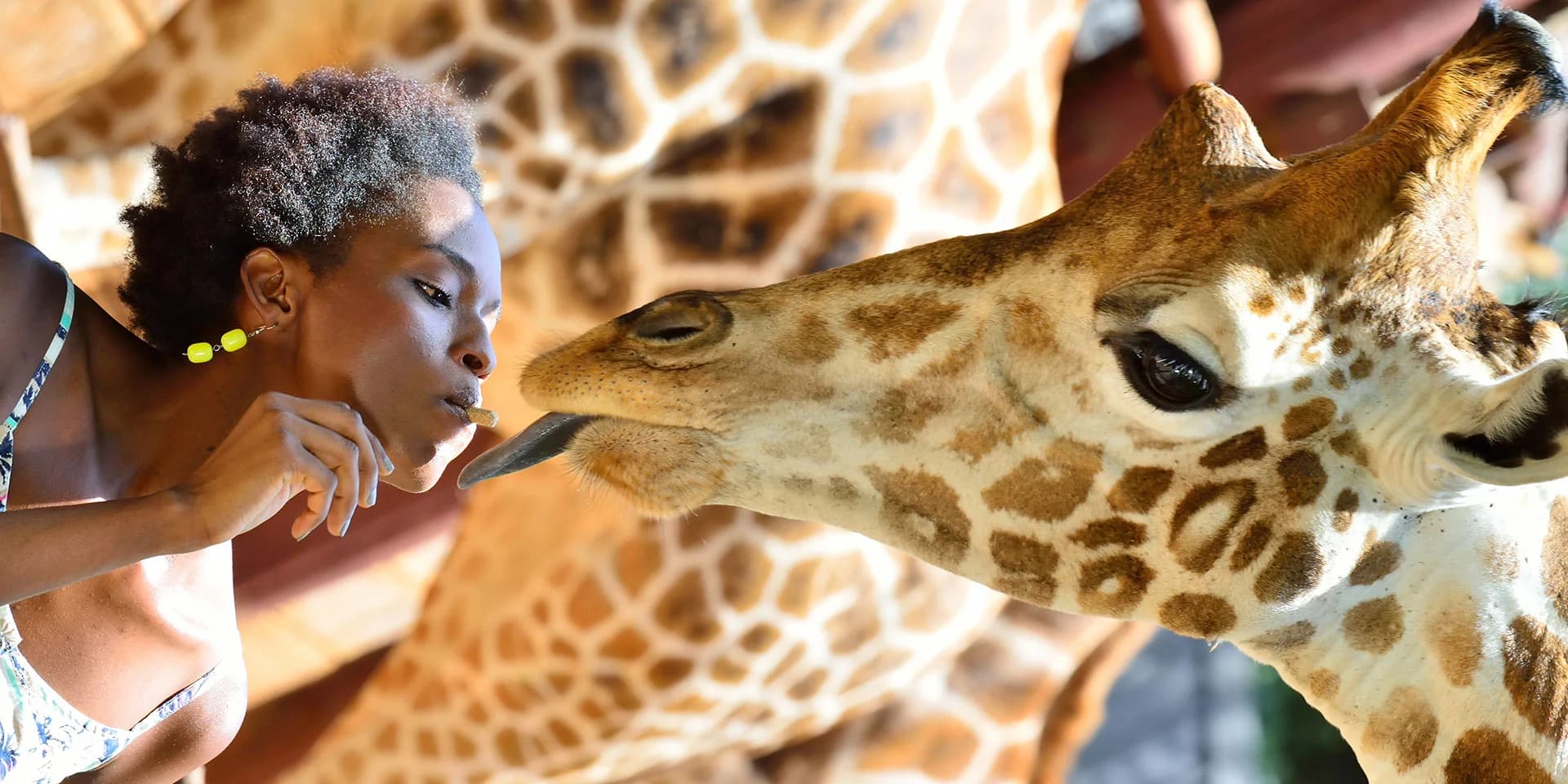
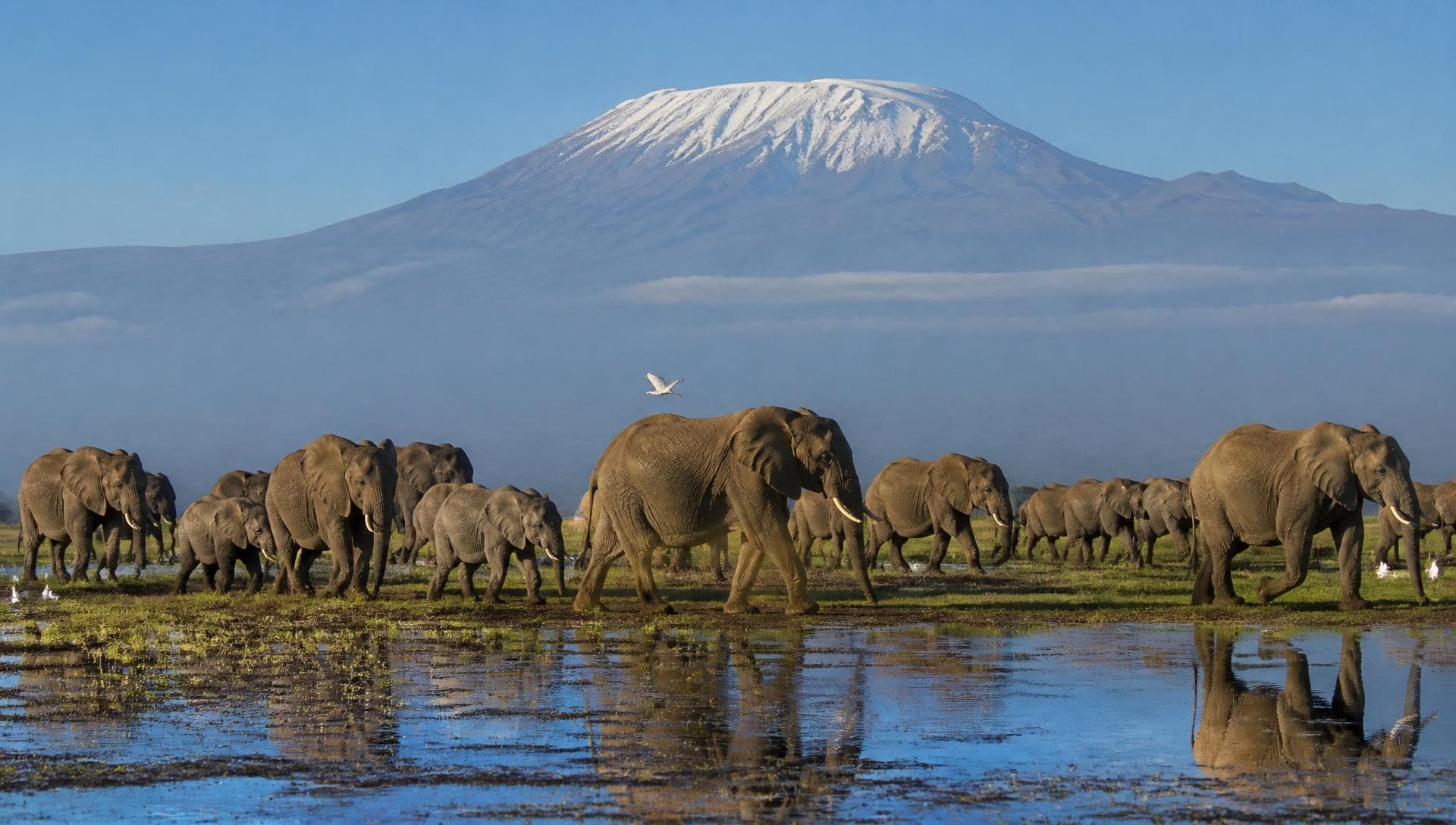
The wildlife institutions nearby are the other reason to stay a night. The Sheldrick Wildlife Trust hand-raises orphaned elephants and opens for a short public visit each day; the Giraffe Centre works with the endangered Rothschild's giraffe; the Karen Blixen Museum and the Kazuri bead workshop fill an afternoon between them.
Practically, Nairobi is where trips are assembled. Jomo Kenyatta International handles long-haul arrivals; Wilson Airport, on the other side of town, runs the light aircraft to the Mara, Amboseli, Samburu and the coast. Allowing one night on arrival protects the rest of your itinerary against a delayed flight.