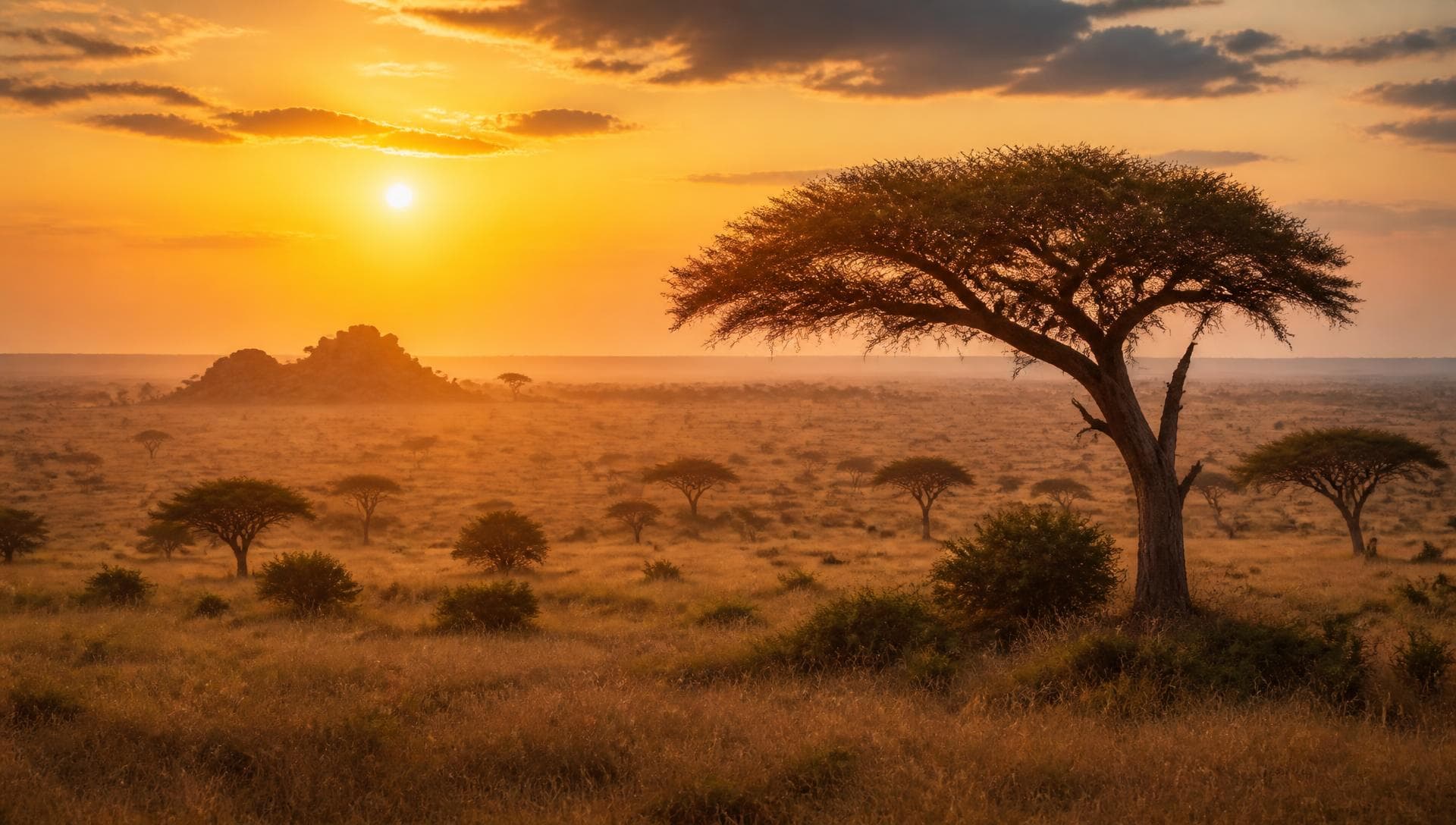
The Maasai Mara National Reserve covers about 1,510 square kilometres in south-western Kenya, bordered by a ring of community-owned conservancies that roughly doubles the protected area. Grassland dominates, broken by riverine forest, low hills in the west and the Mara River running through the middle of it.
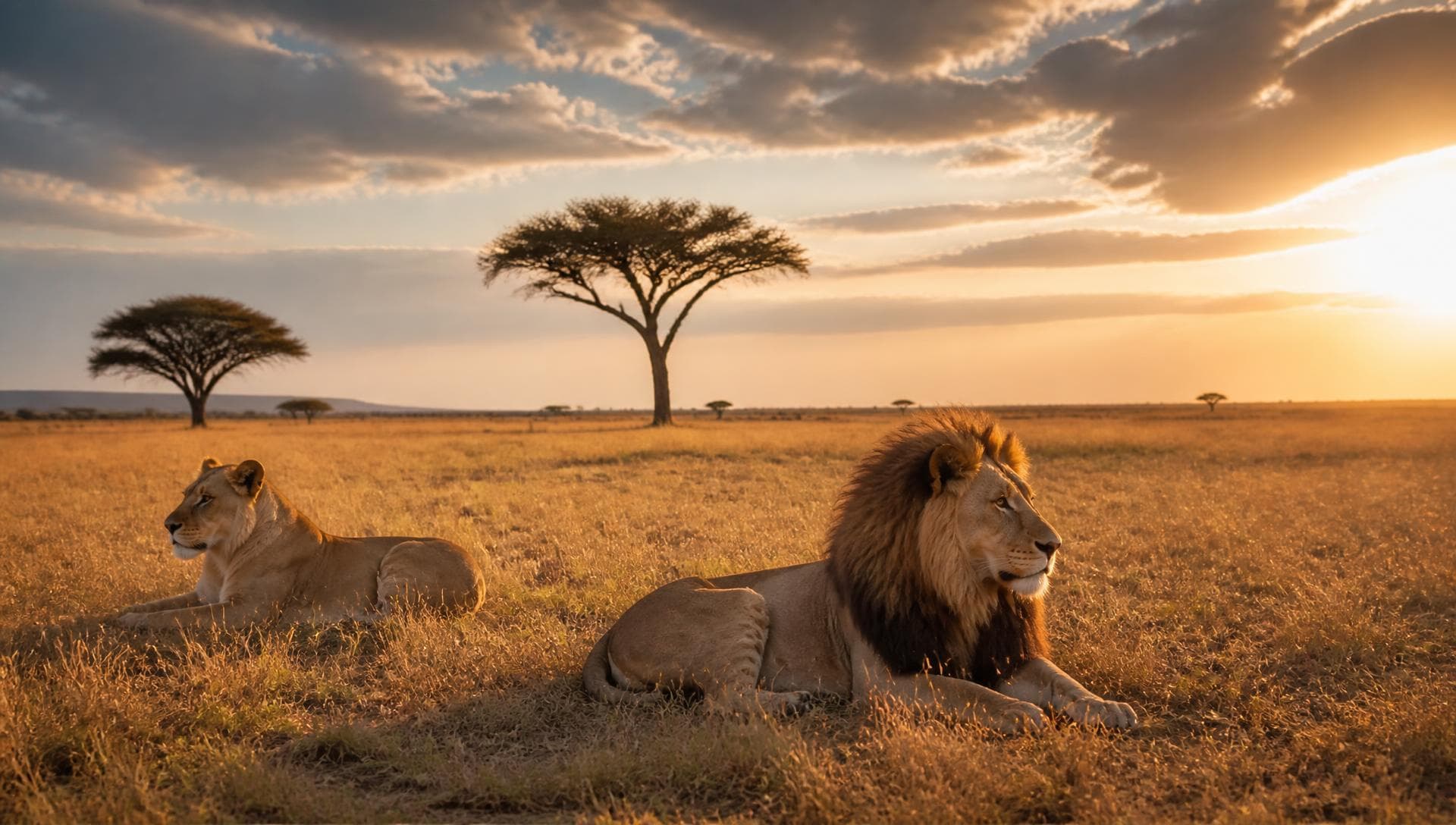
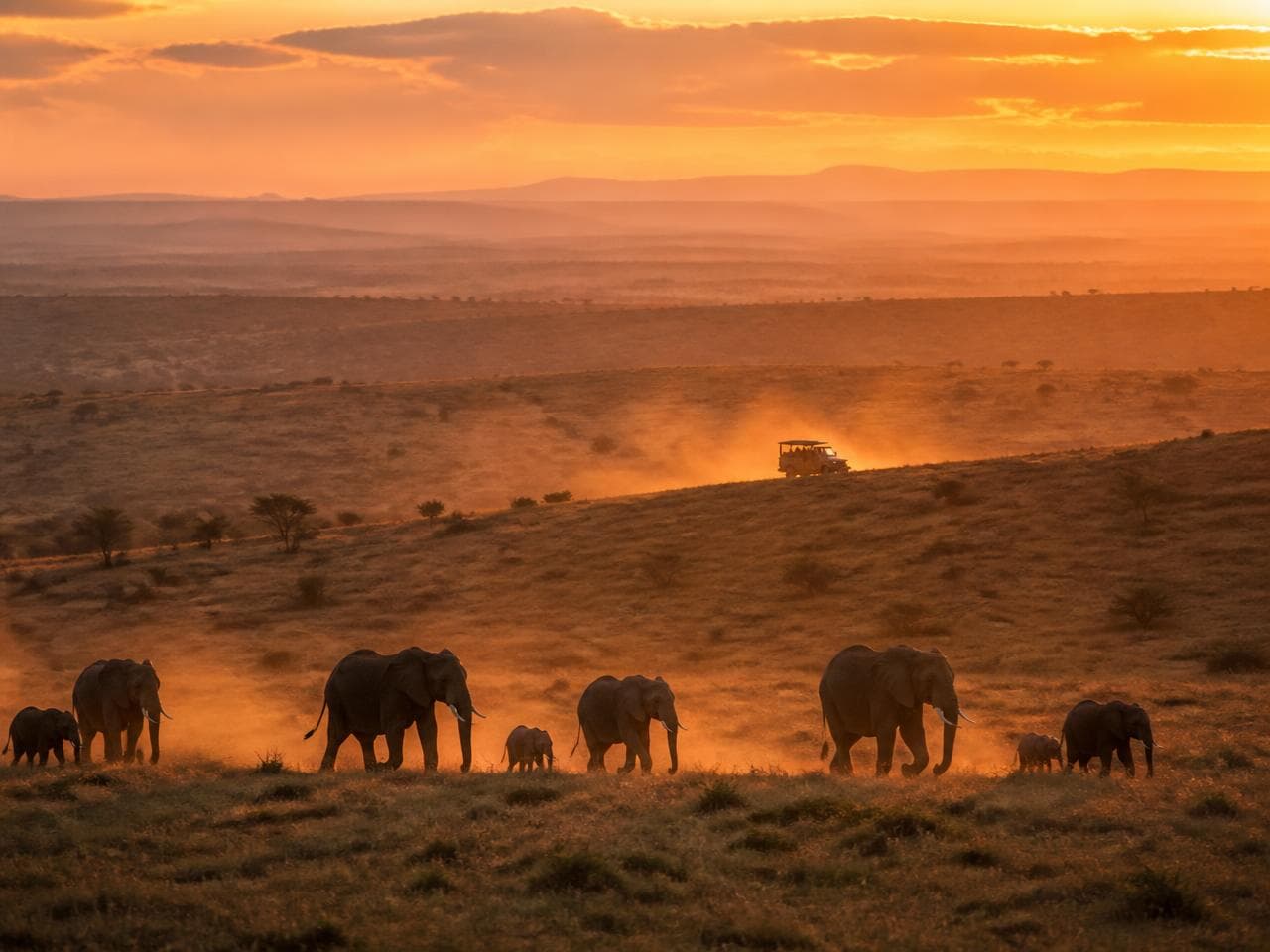
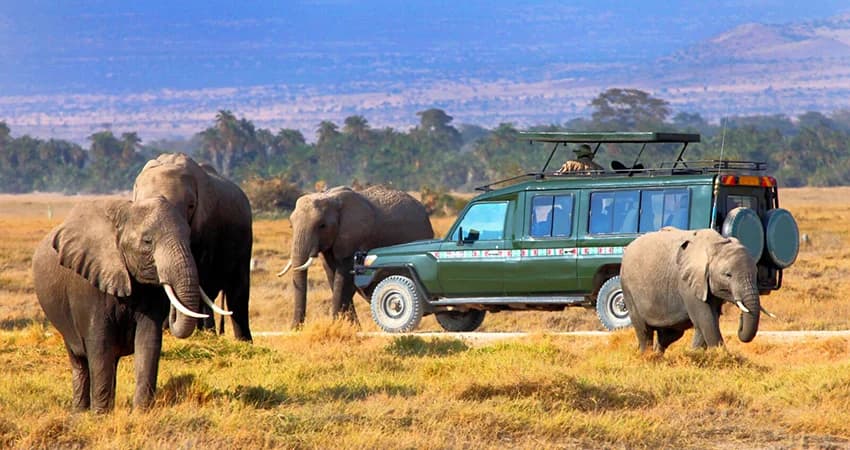
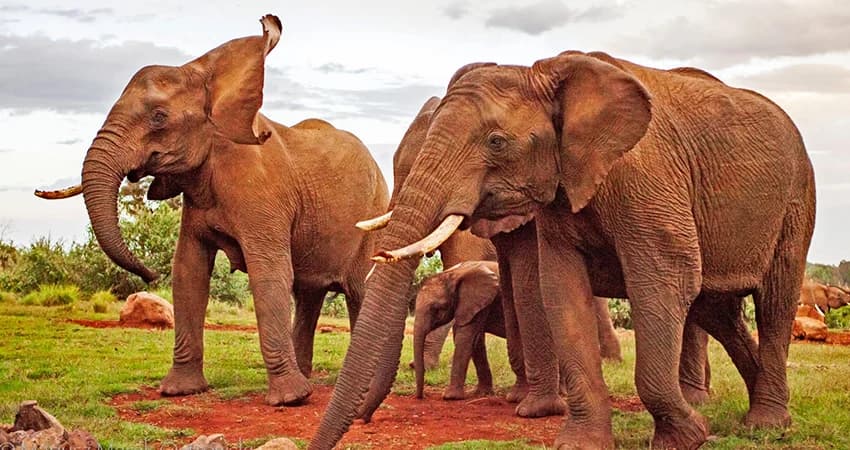
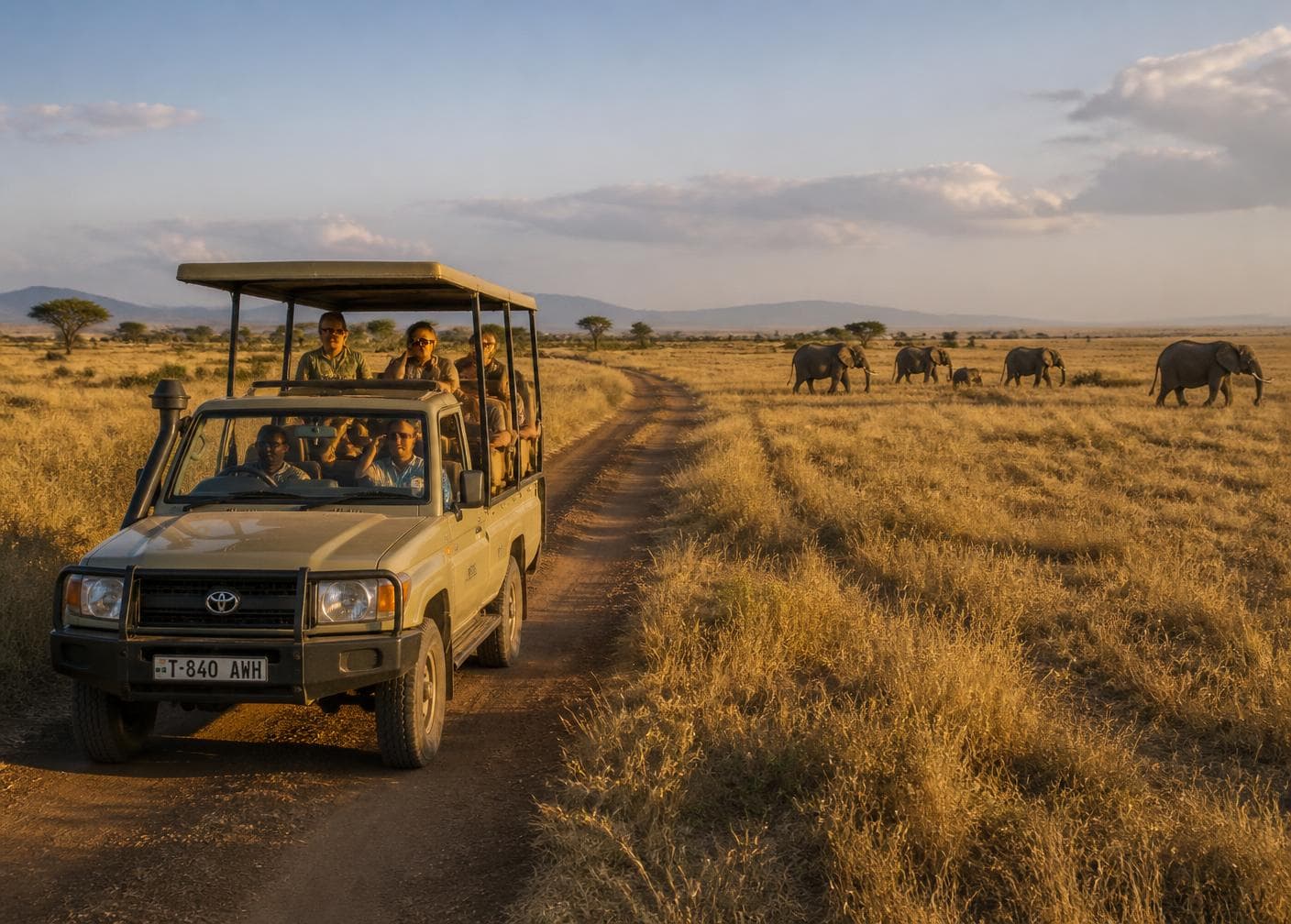
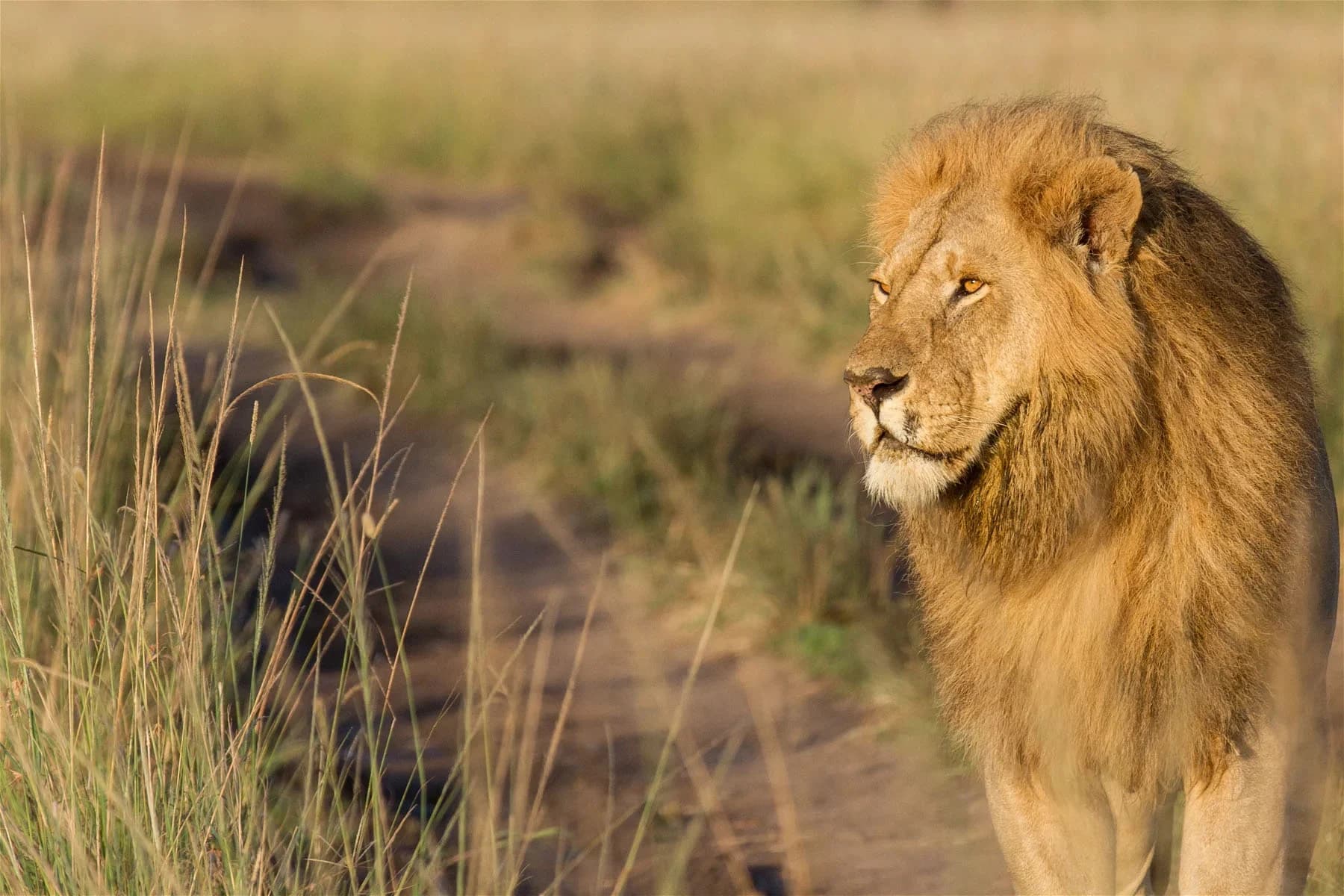
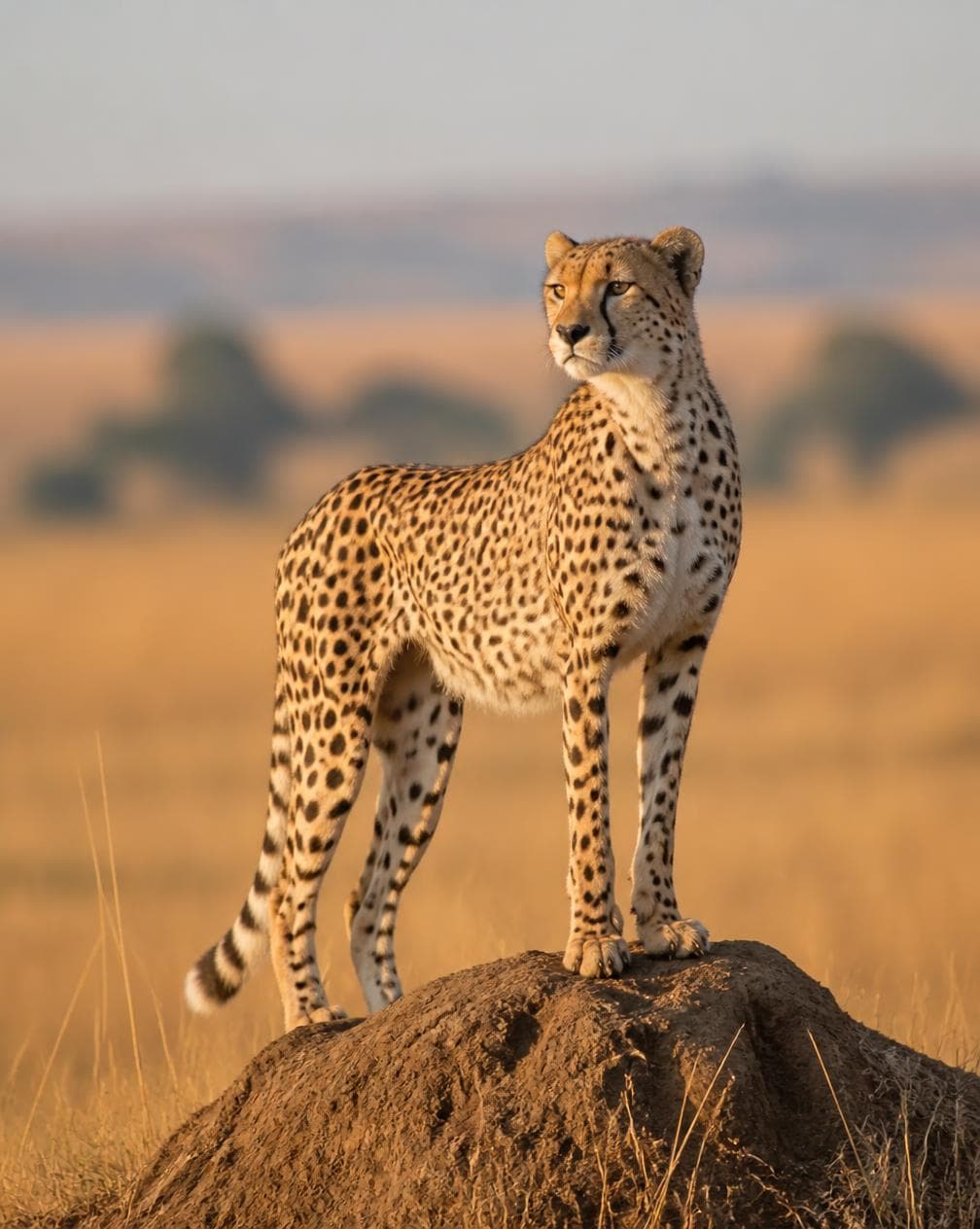
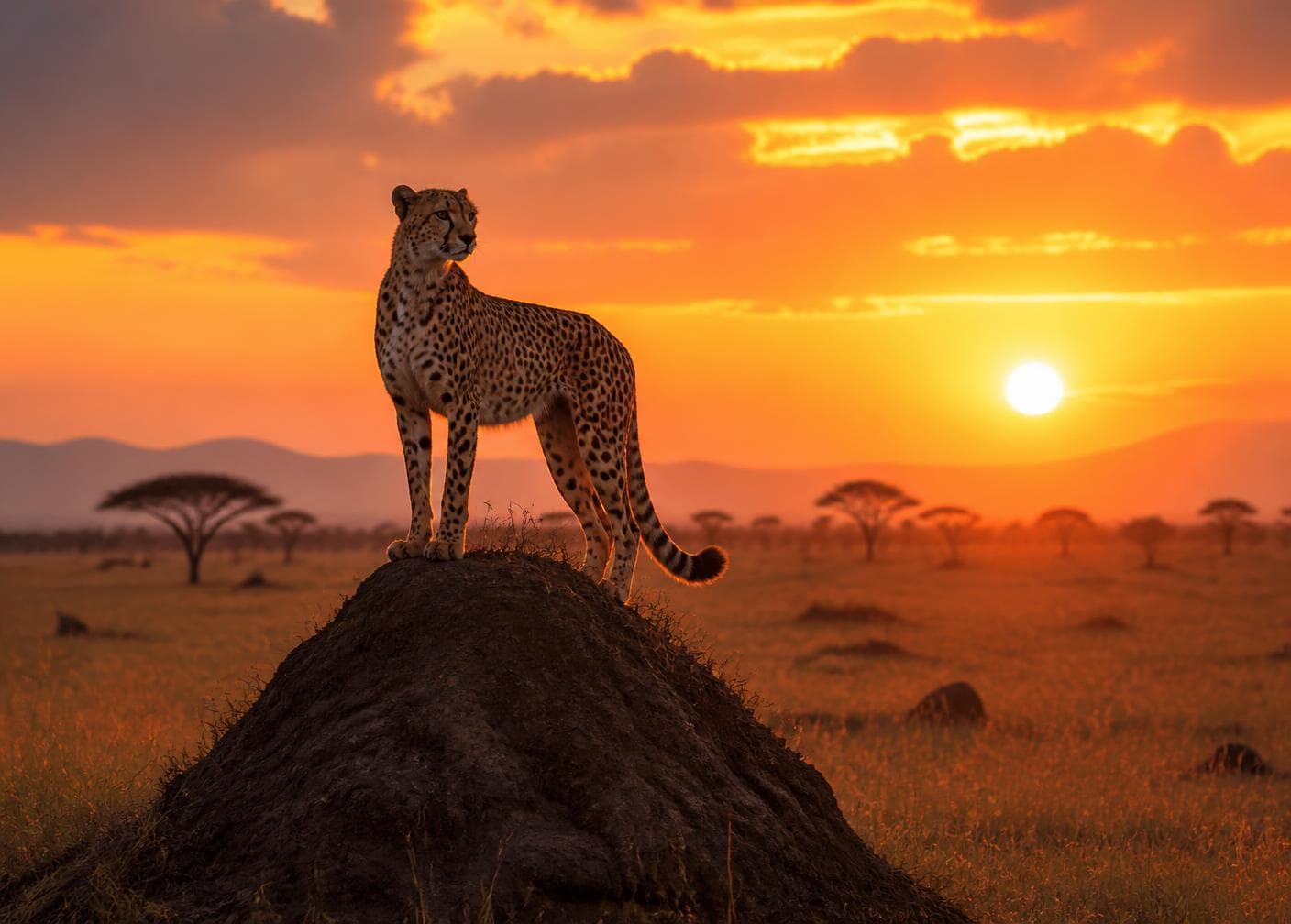
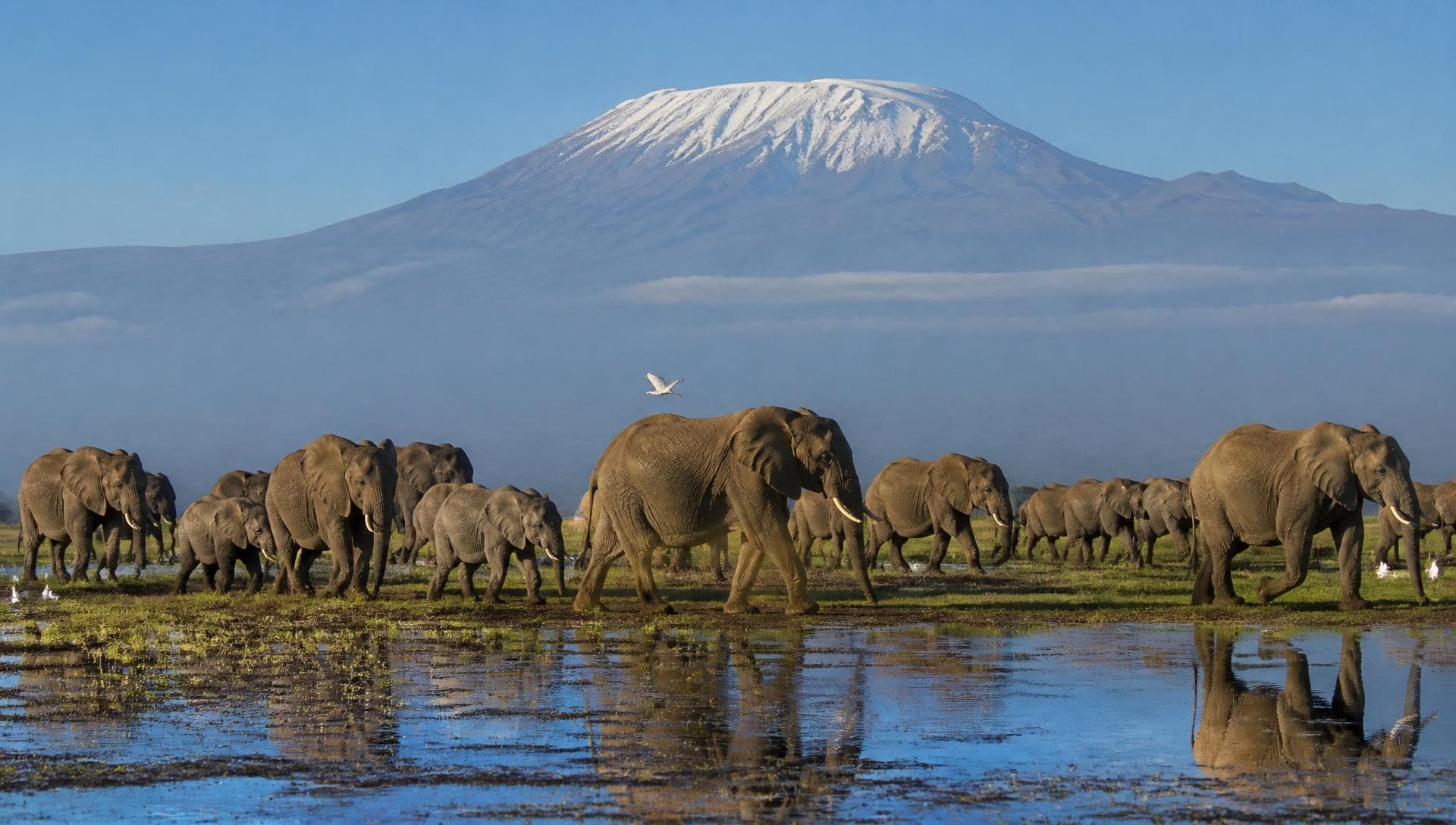
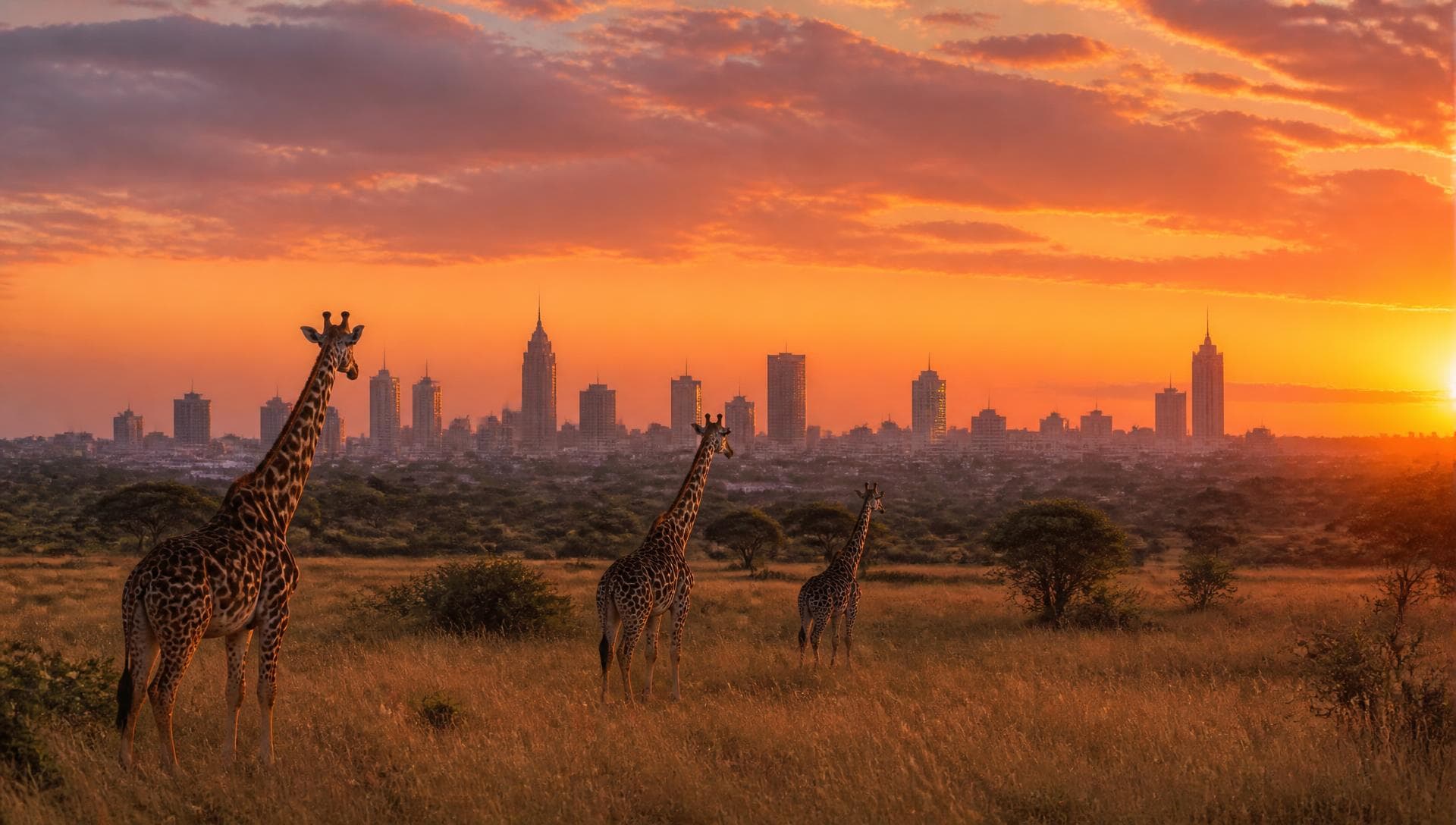
Predator density is the reason most travellers come. Prides here are large and habituated to vehicles, cheetah hunt on the open plains where visibility is excellent, and leopard live along the wooded river courses. Elephant, buffalo, giraffe, topi and eland are resident year-round, so game viewing does not depend on the migration.
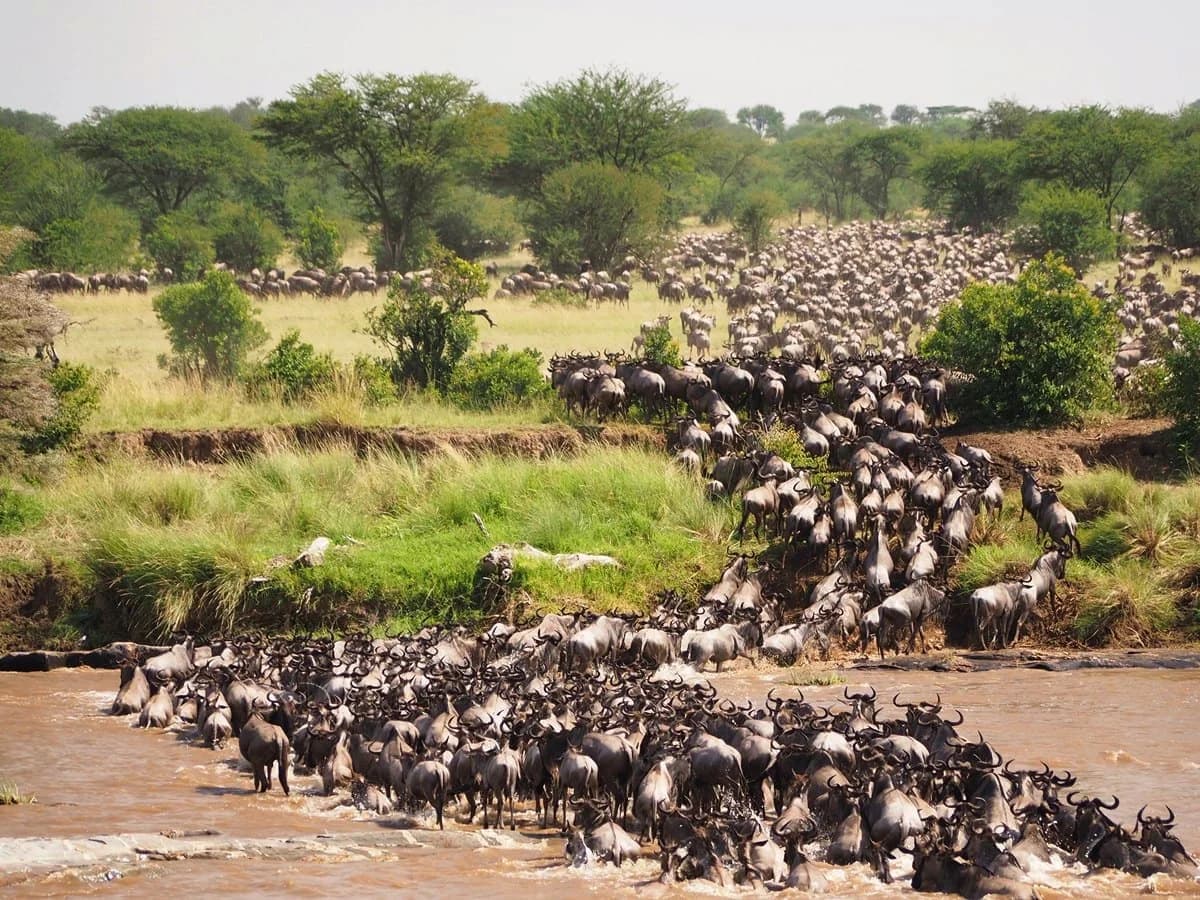
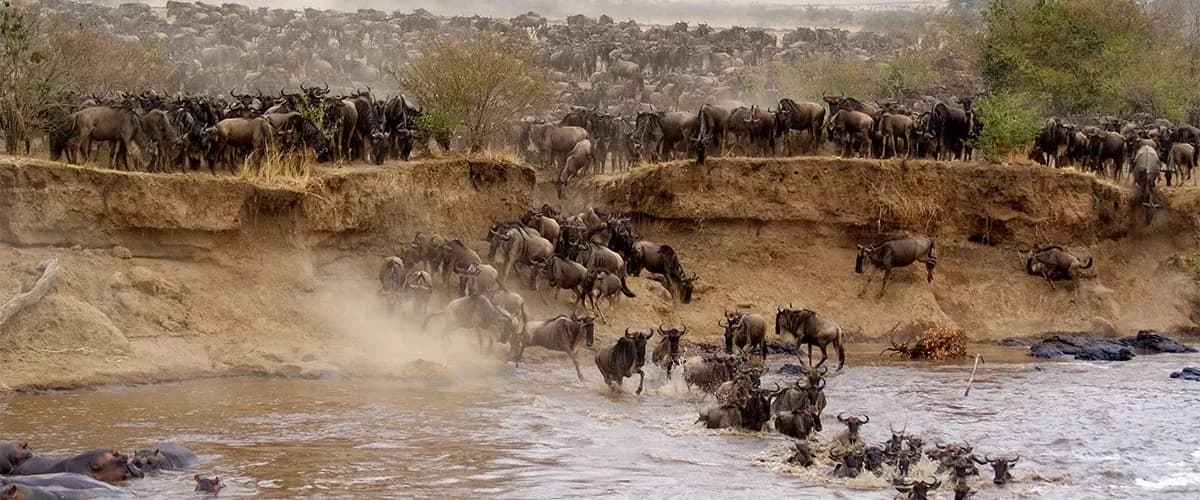
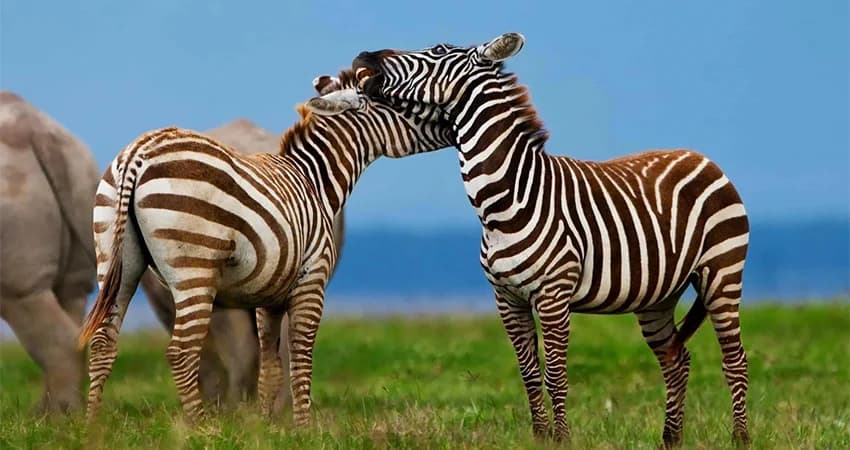
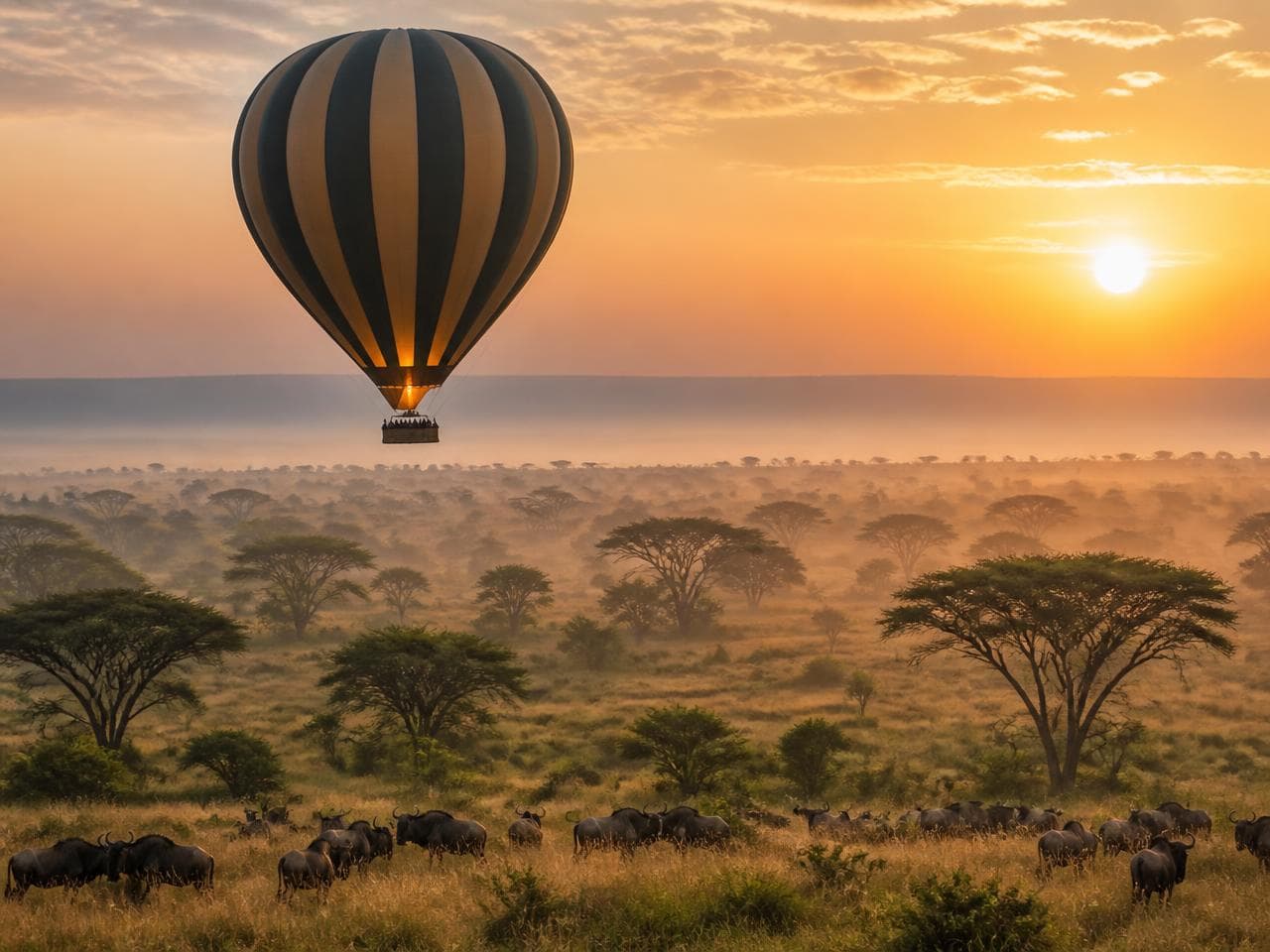
From roughly July to October wildebeest and zebra cross north from the Serengeti, and the Mara River crossings become possible. They are unpredictable — herds can wait at the bank for hours or days — so we plan camps that let you be patient rather than chase reports.
The conservancies matter as much as the reserve. They cap vehicle numbers, allow night drives and guided walks that the reserve does not, and pay leases directly to Maasai landowners. For a quieter, more private experience, staying in a conservancy and driving into the reserve for a day usually gives the best of both.